Widerøe Adds Summer 2026 Routes Across Norway and Europe

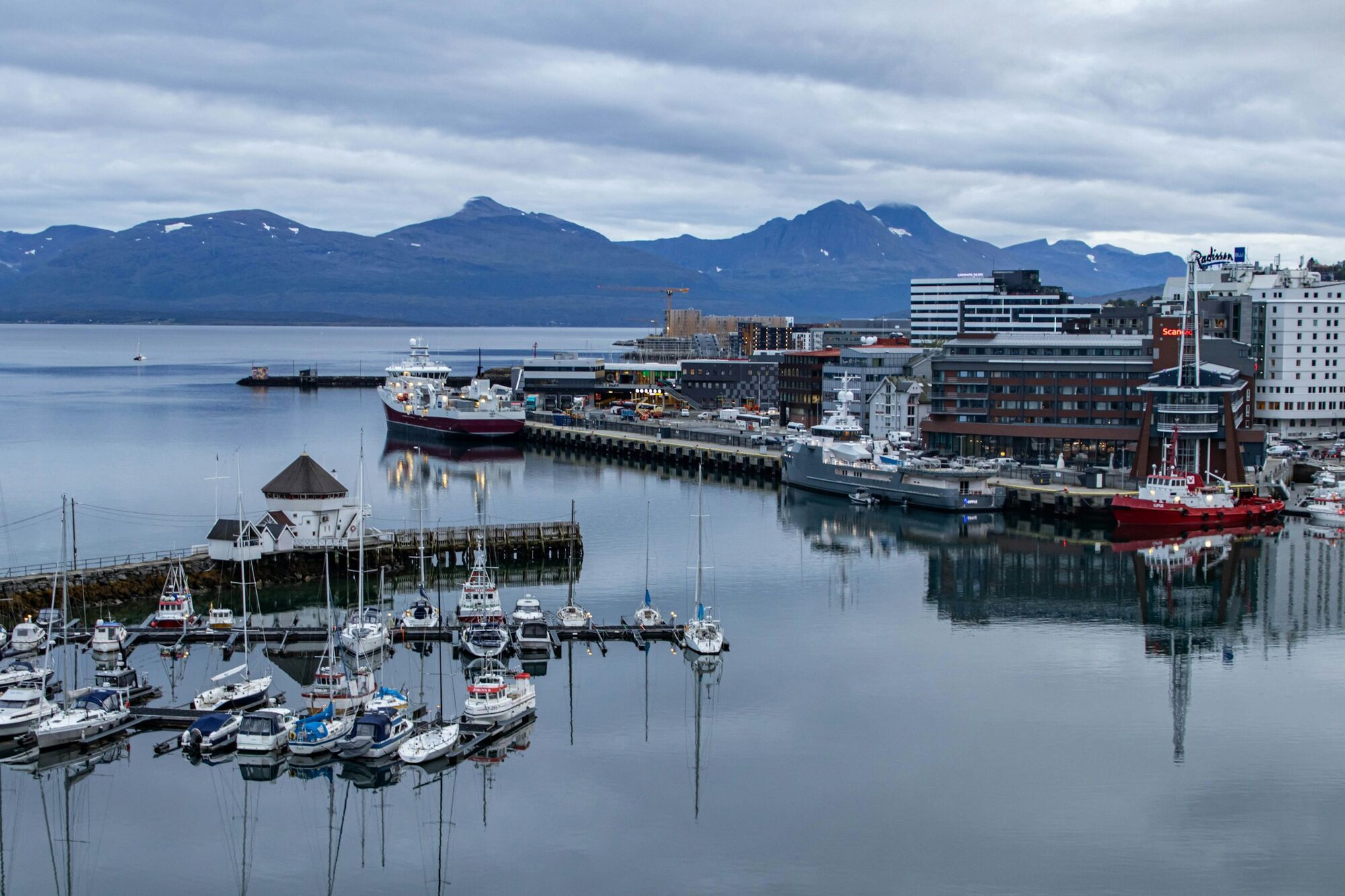
Widerøe has announced new routes and will operate more flights during the 2026 summer season, increasing connections across Norway and to several destinations in Europe. New domestic services will connect Oslo with Molde, Bodø and Tromsø, and several existing routes will run more often. Travel to northern Norway usually increases in summer, when long daylight hours create favourable conditions for exploring coastal landscapes and spending time outdoors.
More flights are also planned on routes including Oslo–Brønnøysund and Tromsø–Svolvær during the mid-summer school holiday period. Widerøe will operate larger aircraft or add extra departures on selected routes to match seasonal demand. The airline is focusing on northern coastal destinations, where travel activity usually increases during the busiest weeks of the summer timetable.

Key Summer 2026 Routes
- Oslo – Molde, Bodø, Tromsø (Saturdays, April–October)
- Leknes – Oslo (daily, 22 June–23 August)
- Svolvær – Oslo (daily, 22 June–23 August)
- Sandnessjøen – Oslo (daily except Saturdays)
- Bergen – Leknes (weekends, late June–August)
- Bergen – Munich and Dublin (higher frequency in mid-summer)
International routes will also return for the summer season, including connections to Munich, Nice, the Faroe Islands, Dublin, Florence and Billund. Frequency adjustments vary depending on the period of the summer timetable, with some routes operating weekly in early and late summer and more often during peak holiday weeks.
Additional summer flights make it easier to reach coastal towns, Arctic areas and smaller regional destinations that are harder to access outside the peak season. Places such as Tromsø, Leknes and Svolvær are known for fjords, islands and hiking routes. More departures from Oslo and Bergen also help combine city visits with trips to northern parts of Norway.
Flight schedules in northern Europe often change during summer, when longer daylight hours and school holidays increase demand. Widerøe has increased frequencies on selected routes during the busiest weeks. The expanded timetable improves connections to smaller communities that usually have fewer transport options outside the summer months.