Flight Attendant Warns Against Bare Legs on Plane Seats
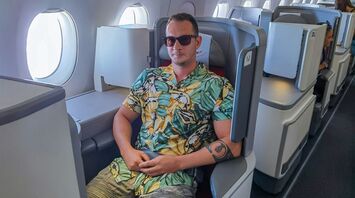
A flight attendant with 11 years of experience is urging passengers to think twice before boarding in shorts, skirts or dresses, saying exposed skin can come into contact with seats that may have seen spills, bodily fluids or nappy changes. Charity Nelms shared the warning in a TikTok video, stressing that her advice comes from years of cabin experience rather than an airline dress rule or official health requirement.
Cabin Habits Worth Reconsidering
- Clothing: Long trousers create a barrier between bare skin and the seat.
- Seatbelt: Nelms recommends wiping both the buckle and fabric strap, which are handled repeatedly throughout the day.
- Lavatory: Keep your shoes on when using the toilet; Nelms specifically warns against going inside wearing only socks.
- Hands: Wash or sanitise them after using the lavatory and before eating.
Nelms is not the only cabin crew member to raise the issue. Dallas-based flight attendant Cher Killough said she had seen four nappies changed directly on passenger seats during a single flight. Aircraft cleaning also varies by turnaround time and airline: quicker cleans tend to concentrate on lavatories, galleys and rubbish, while seat areas receive more attention during longer or overnight servicing.
The advice is easy to adapt on long-haul flights or trips to hot destinations without wearing heavy clothes. Lightweight trousers, leggings or loose linen clothing can keep legs covered while remaining comfortable. Shoes matter more in the lavatory, where liquid on the floor may not be water. Disinfectant wipes can help with high-touch surfaces, but clean hands remain more useful than trying to sanitise everything around the seat.
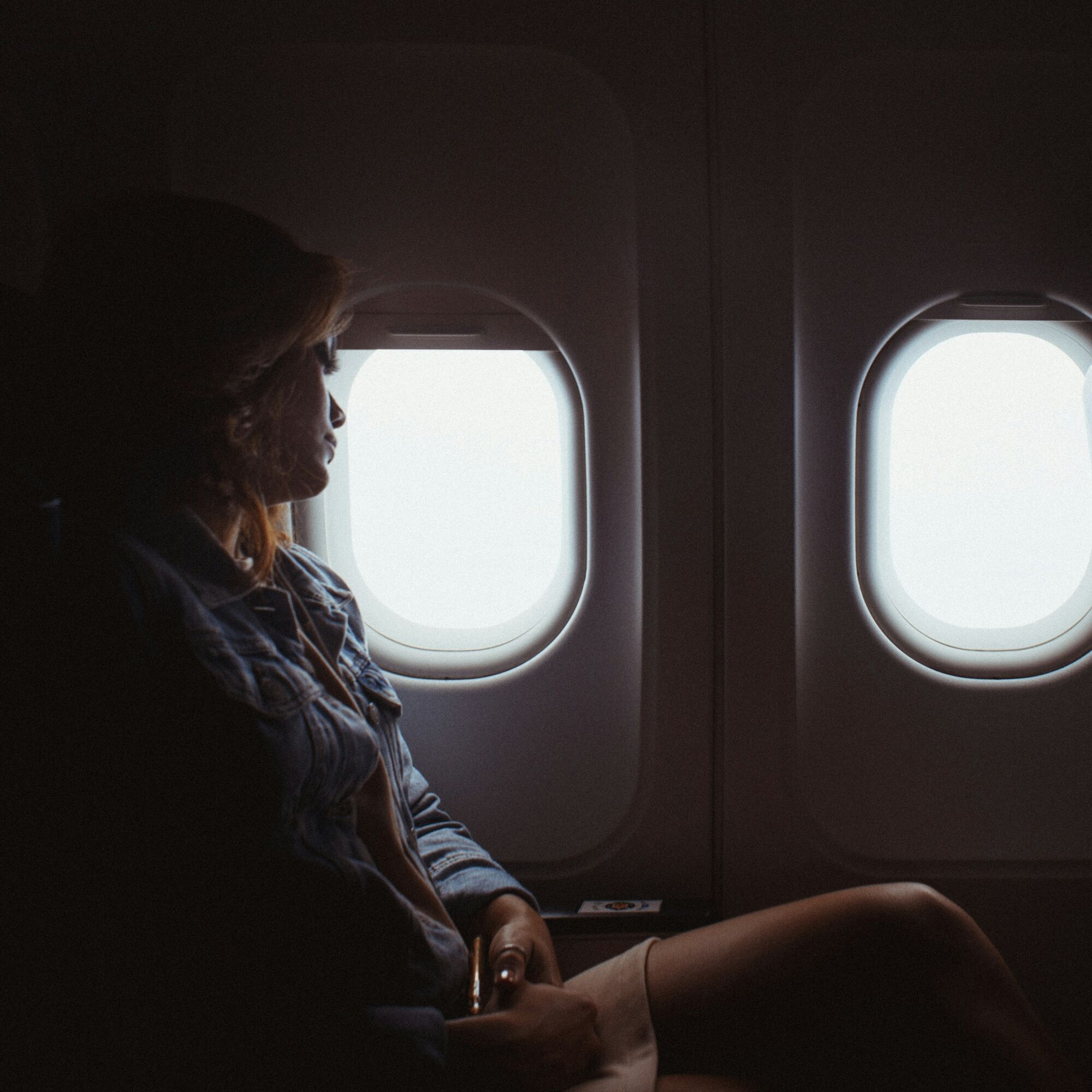
Wearing shorts on a plane is not considered a health violation, and there is no official rule requiring passengers to cover their legs. The US Centers for Disease Control and Prevention advises washing or sanitising your hands regularly while flying, especially after using the toilet and before meals. Long sleeves or trousers reduce how much bare skin touches shared surfaces, but covering up is a personal choice rather than an airline or health requirement.