Passport Checks Brits Should Make Before Flying
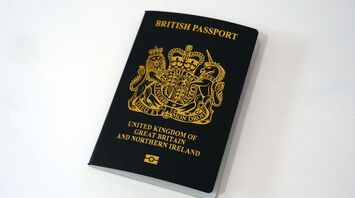
British holidaymakers heading abroad in the final weeks of summer should check more than the expiry date printed in their passport. Entry rules differ by destination, and an apparently valid document can still fail requirements on its issue date, remaining validity or blank pages. Airlines and border authorities can refuse travel when those conditions are not met, leaving little scope for a last-minute fix.
Passport Rules to Check
- Schengen issue date: Less than 10 years before arrival.
- Schengen expiry: At least three months after leaving the Schengen area.
- Other destinations: UAE and Egypt generally require six months after arrival; Egypt also requires one blank page. Chile only requires validity beyond the planned departure date.
- Urgent UK renewal: 1-day Premium costs £239.50 for adult renewals; 1-week Fast Track costs £192 for adults and £156.50 for children.

The issue-date rule matters most for trips into the Schengen area. A British passport must have been issued less than 10 years before the date of arrival and must remain valid for at least three months after the planned departure from Schengen. Older burgundy passports can still be used, but documents renewed before October 2018 may contain extra months that do not count towards the 10-year issue limit.
Rules outside Europe are not uniform, so the destination’s own entry requirements need checking before departure. The UAE and Egypt require at least six months of passport validity after arrival for most British visitors, while Egypt also requires one blank page. Chile is different: current UK advice says the passport only needs an expiry date later than the planned departure date, not six months beyond arrival.
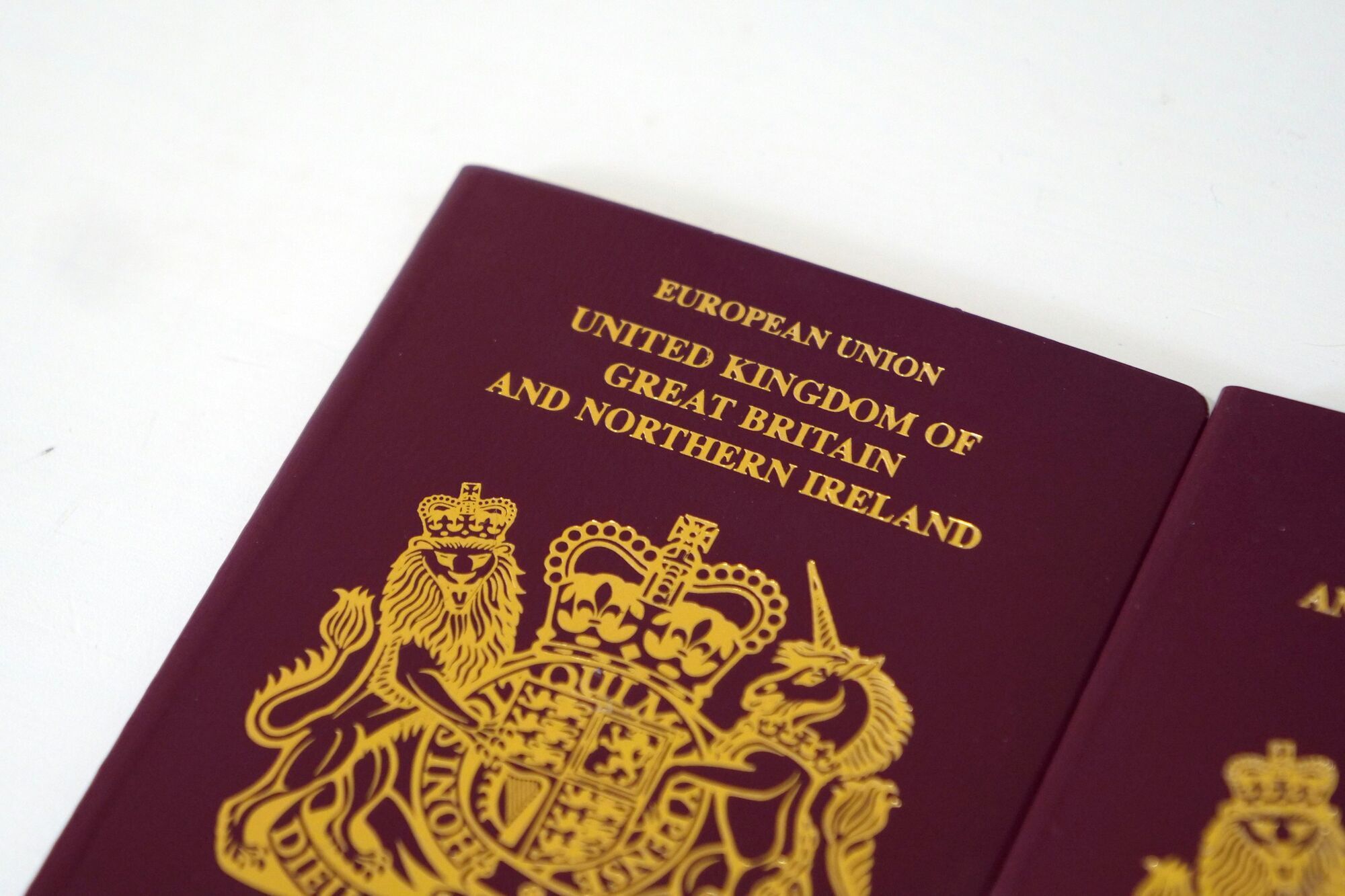
These checks can make the difference between using a booked holiday and losing it at check-in. A quick review of the passport’s issue date, expiry date and spare pages should happen before non-refundable arrangements are locked in, especially for multi-country trips. If a document is close to a destination’s limit, checking the latest FCDO advice and the travel provider’s requirements is safer than relying on a general passport rule.