easyJet Changes Its Mind on Wi-Fi for 2027
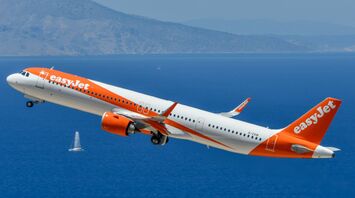
easyJet will introduce onboard Wi-Fi for the first time in 2027 after signing a deal with satellite provider Starlink. Passengers on equipped aircraft will be able to browse the web, stream videos and play online games using their own devices, including during take-off and landing. The service will be installed gradually, meaning availability will initially depend on the aircraft assigned to each flight.
The announcement marks a reversal from January 2026, when easyJet chief executive Kenton Jarvis said the economics of onboard Wi-Fi were challenging. Alongside entertainment, the connection should let passengers check their flight status through easyJet's app or website and look up local weather or transport information. The airline has also raised the possibility of ordering from its onboard menu digitally, but has not confirmed that feature.

When Will easyJet Flights Get Starlink Wi-Fi?
- Start: Installations scheduled to begin in the first half of 2027.
- Aircraft: Airbus A320, A320neo and A321neo; A319 is not included in the announcement.
- Rollout target: Early 2028, subject to progress.
- Price: Not disclosed; free Wi-Fi is not confirmed.
- First routes: Not announced.
- Functions: Browsing, streaming and gaming on personal devices.
- Updates: Check easyJet's official announcement for further details.
That timetable does not mean every easyJet flight in 2027 will have internet. An aircraft fitted with Starlink may operate on different routes, and the airline has not published a list of connected services or a way to identify them when booking. Passengers should therefore avoid choosing or paying extra for a particular departure on the assumption that Wi-Fi will be available.
The biggest unanswered question is whether passengers will have to pay to connect. Until easyJet confirms the charge, any data limits and which aircraft have been equipped, travellers should save boarding passes, maps and other important information offline before departure. The satellite connection could make disrupted journeys easier to manage, but for now it remains an upcoming service rather than something passengers can rely on.