AirAsia Moves Hong Kong Check-in to Terminal 2 Ahead of Summer 2026
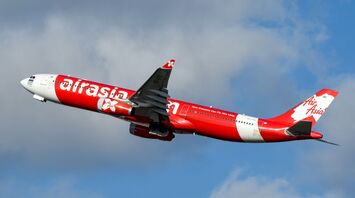
AirAsia will relocate check-in services for international departures at Hong Kong International Airport from Terminal 1 to Terminal 2 starting 28 May 2026. The change applies only to check-in and baggage drop, while boarding gates and baggage collection after arrival will continue to operate in Terminal 1. The airline confirmed that affected guests will receive updates through registered contact details and the AirAsia MOVE mobile application.
The check-in counters will be located at Row V in the International Departure area of Terminal 2. After check-in and baggage drop, passengers will need to go back to Terminal 1 for security control and boarding. The terminals are linked by an indoor passage, with the walk taking about five minutes. Direction signs inside the airport indicate the route between the two terminals.
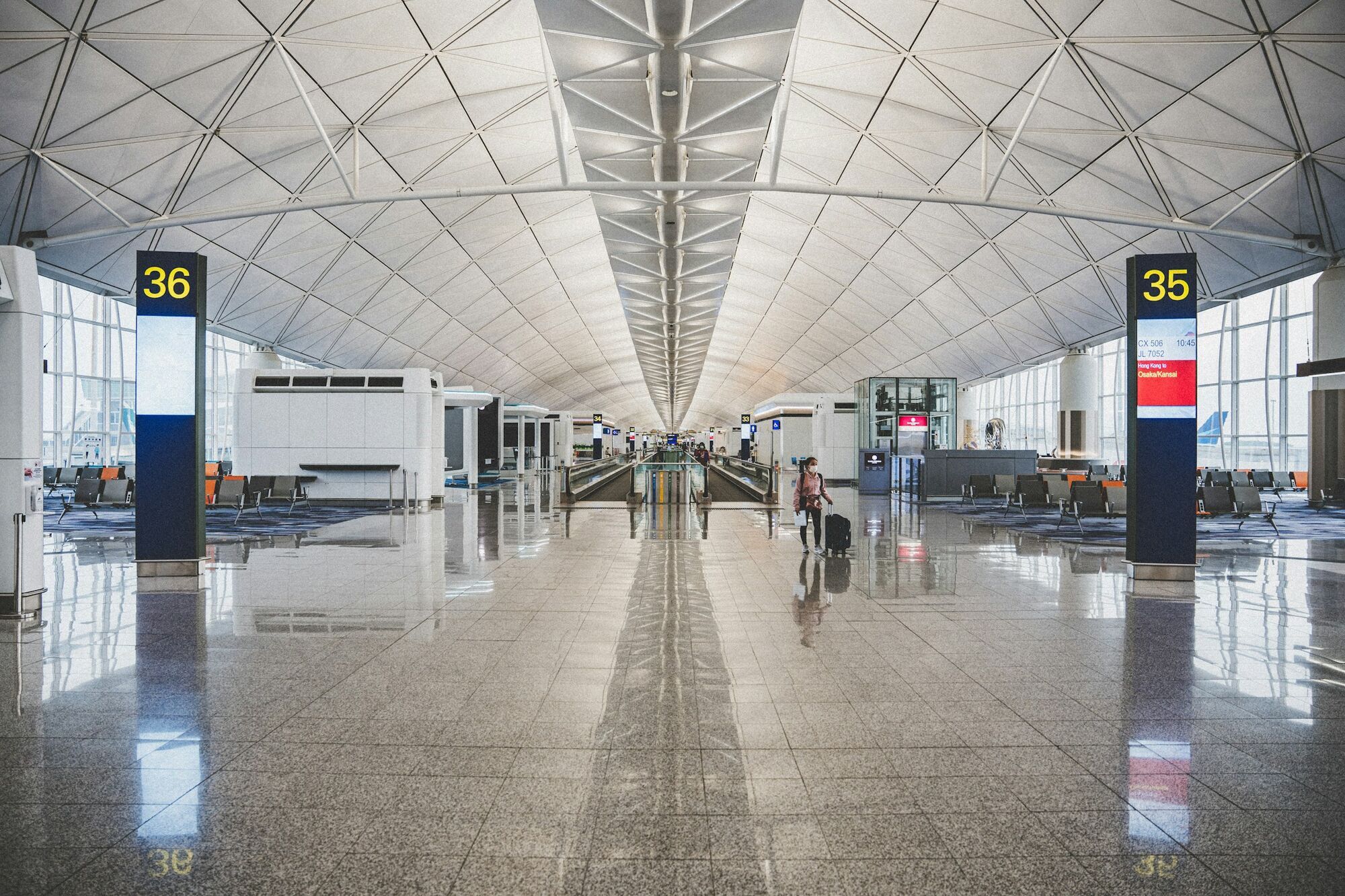
AirAsia recommends completing check-in online through its website or mobile application, available between 14 days and one hour before departure. Digital boarding passes can be used at the airport. The baggage drop counter closes one hour before departure time. Travellers are also reminded that cabin baggage allowance includes one main item plus one small personal bag, with a combined weight limit of 7kg.
Key timing and location details
- Check-in location: Terminal 2, Row V
- Boarding and arrivals: Terminal 1
- Walking time between terminals: about 5 minutes
- Online check-in available: 14 days to 1 hour before departure
- Recommended airport arrival time: at least 3 hours before departure
The change may influence how people organise their time at the airport, especially when travelling with checked baggage or as part of a group. Passengers will check in at Terminal 2 but depart from Terminal 1, so a short walk between the terminals will be needed before boarding. Knowing the terminal layout in advance can help avoid confusion when navigating between connected parts of the airport.
The update highlights how airports continue to reorganise passenger flow as traffic increases. Even small operational changes can influence how people move through terminals and manage time before departure. Staying aware of location details such as check-in areas and baggage rules helps reduce last-minute stress and supports a smoother start to international journeys during peak travel seasons.