What the 1872 Cup Means for Getting Around Edinburgh
Travellers arriving in Edinburgh at the end of December will see a coordinated transport response built around the 1872 Cup match at Scottish Gas Murrayfield. The fixture between Edinburgh Rugby and Glasgow Warriors takes place on Saturday 27 December with a 15:00 kick off, coinciding with one of the busiest travel periods of the year. With visitor numbers already high at this time of year, buses are being positioned as the main way to reach the stadium.
The decision is closely tied to how travel in Edinburgh typically works during the festive period. Parking near Murrayfield is limited, and roads in west Edinburgh often become congested on matchdays. By directing spectators toward organised bus routes and park and ride sites, the city aims to reduce delays and make travel more predictable, especially for visitors unfamiliar with local streets or traffic patterns.
Getting to Murrayfield on Matchday
The match itself remains a significant draw for domestic and international visitors. The 1872 Cup is one of the longest running rugby fixtures, regularly attracting supporters from outside Edinburgh, including day travellers from West Lothian and visitors flying into the city. Holding the game during the festive period increases overlap with leisure travel, making transport reliability as important as ticket availability for those planning short stays or same day visits.
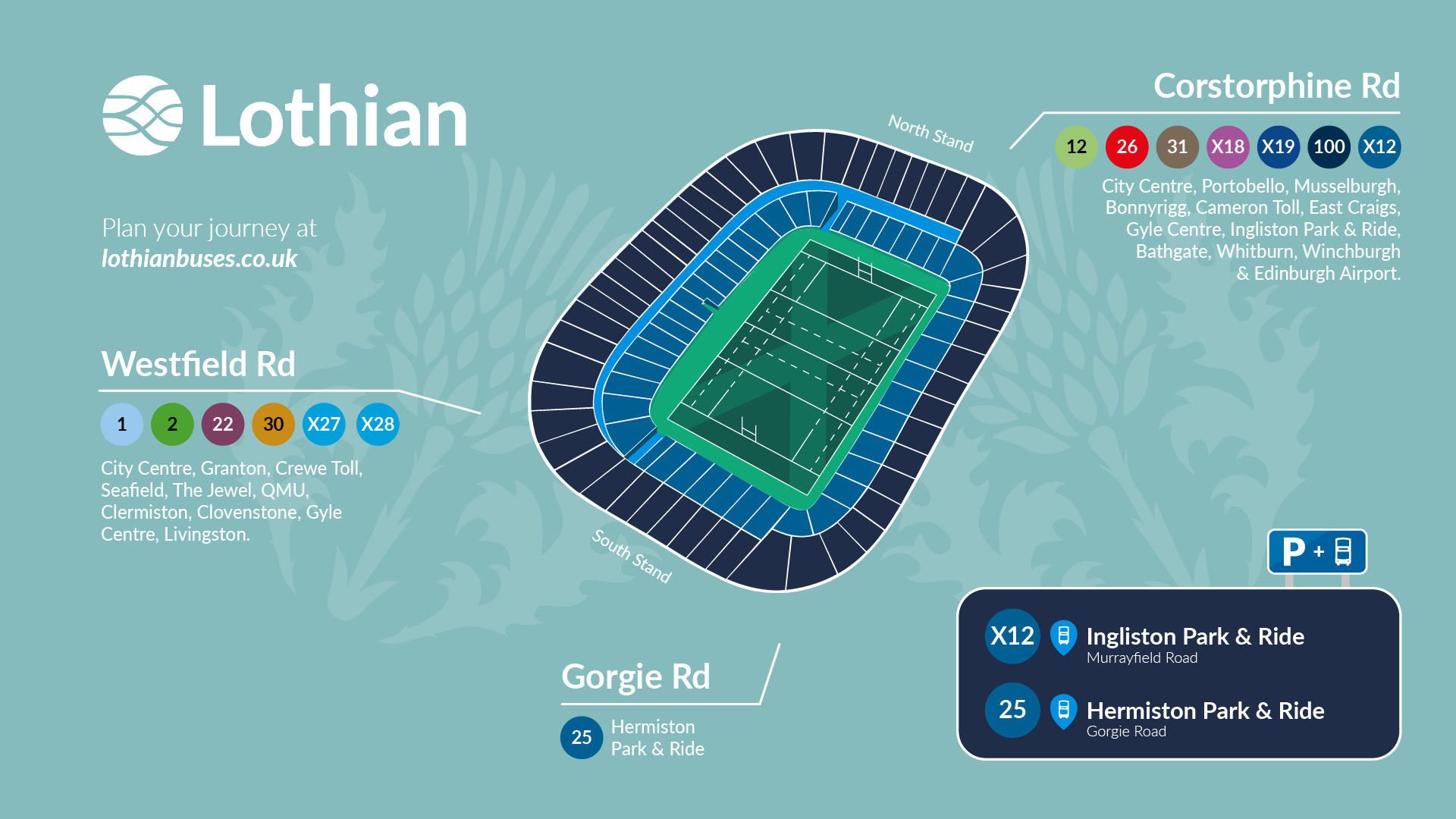
In response, Lothian has set out a clear group of bus routes designed to move supporters to and from the stadium efficiently:
- Service X12 from Ingliston Park and Ride to Murrayfield Road every 15 minutes from 12:00 until 14:15, with frequent post match departures
- Service 25 from Hermiston Park and Ride to Gorgie Road, followed by a short walk
- City centre routes including 1, 2, 22, 25, 30, 33, X27 and X28 stopping near Gorgie Road
- Services 12, 26, 31 and X18 to Corstorphine Road, plus Airlink 100 from Edinburgh Airport
This approach signals a broader shift in how Edinburgh manages peak demand events. Clear route planning, named services and high frequency departures make attending major fixtures easier for non locals and short stay visitors. More importantly, it reinforces the role of public transport as the most predictable option when major events coincide with busy travel seasons.