Severe Weather Leads Loganair to Offer Flexible Changes on Northern Routes
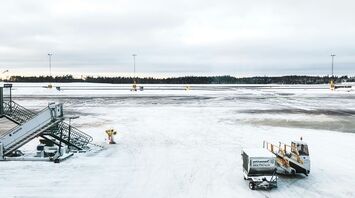
Loganair has published a travel notice ahead of a challenging weather forecast to affect Scotland’s east coast and northern areas between Tuesday 3 February and Wednesday 4 February 2026. Conditions are expected to increase the likelihood of disruption at several northern airports, leading the airline to apply its weather flexibility policy. At this stage, however, all scheduled flights remain planned to operate as normal.
The airline says standby aircraft and crews have been positioned to support recovery should conditions force delays or cancellations. Customers booked on potentially affected flights are being given the option to adjust their plans in advance. Loganair stresses that safety remains the priority and that operational decisions will continue to be reviewed as weather conditions develop over the coming days.
Airports currently covered by the weather warning
- Aberdeen
- Dundee
- Inverness
- Kirkwall
- Sumburgh
Passengers booked on Loganair services to or from these airports may rebook to an alternative flight up to 14 days either side of their original travel date, subject to seat availability. No change fees or fare differences apply, provided the original flight has not yet been cancelled and seats remain on the selected alternative service.
The option to change bookings gives passengers a chance to rethink trips that could be affected by strong winds or poor visibility, particularly on routes linking island communities and more exposed airfields. Places such as Shetland, Orkney and parts of the Highlands often depend on a small number of daily flights, so shifting travel dates can make planning onward connections, accommodation and essential journeys more predictable during winter weather.
The notice also reflects how closely regional air travel is tied to weather conditions at this time of year, especially across northern Scotland in February. Flights may still run as scheduled, but conditions can change quickly. Having the ability to adjust bookings in advance reduces uncertainty and helps passengers avoid last-minute disruption if forecasts deteriorate.