Bangkok Gets a New Landmark Hotel Next to Lumphini Park
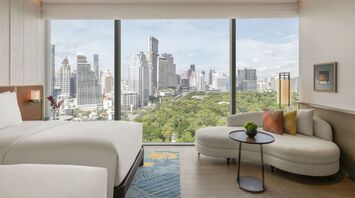
The first Andaz-branded hotel in Bangkok has officially opened, marking a new chapter for Hyatt’s lifestyle portfolio in Thailand. Hyatt Hotels Corporation confirmed that Andaz One Bangkok welcomed its first guests on 19 December 2025. The opening makes it the second Andaz property in the country, following the Pattaya Jomtien Beach location, and places the brand firmly in the Thai capital’s central business and cultural zone.
Andaz One Bangkok forms part of One Bangkok, a large-scale urban development bringing together offices, retail areas, residences, hotels, cultural venues, and open green spaces. The project is positioned as a fully integrated district designed to reshape daily life in the city centre. The hotel’s launch adds another international hospitality name to the development’s growing mix of attractions and services.
“Bangkok has always been a city that rewards curiosity. With Andaz One Bangkok, we wanted to create a place that feels woven into the rhythm of the city - a hotel that celebrates its creative pulse, its heritage, and its sense of possibility. The Andaz brand is about true connection to place, and this opening brings that idea to life in a way that feels both contemporary and deeply rooted. We’re excited to welcome guests into an experience that reflects the Bangkok we love: vibrant, soulful, and endlessly inspiring."
Set on historic Wireless Road, the property stands beside Lumphini Park, one of the city’s best-known green spaces. The location combines long-standing heritage with modern infrastructure, including direct access to MRT Lumphini Station. Road links also connect quickly to both international airports, giving the hotel a practical base within Bangkok for short stays, business trips, and extended city breaks.
The opening makes several parts of central Bangkok easier to explore without a car. Lumphini Park’s walking paths and lakes sit right next to the hotel, offering a rare pocket of calm in the middle of the city. Nearby neighbourhoods bring together museums, small galleries, embassy buildings, and a broad mix of shops. Fast MRT links also open up riverside areas, historic temples, and popular dining spots, reducing the need for long taxi journeys.
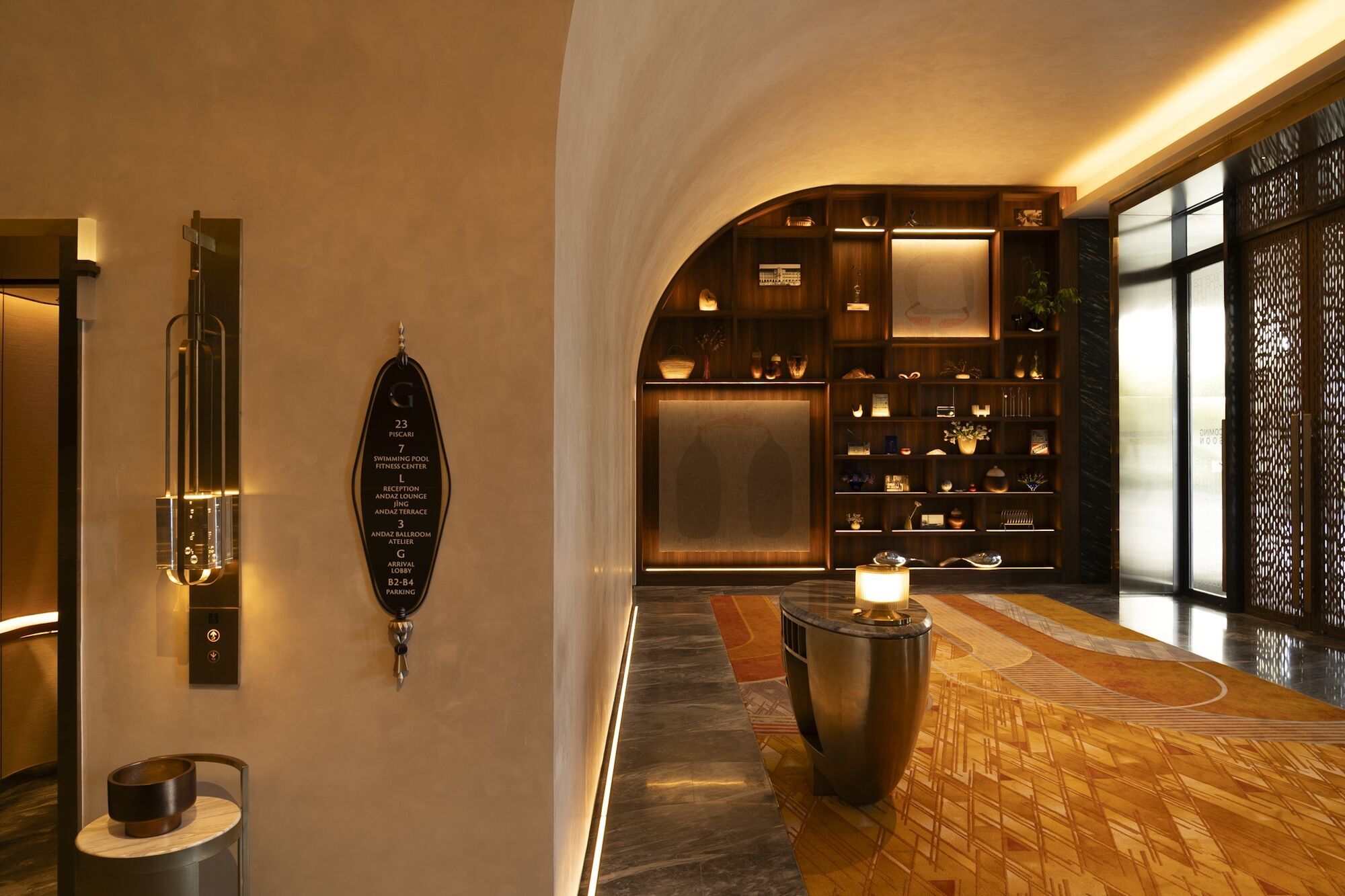
This launch reflects how Bangkok continues to invest in mixed-use developments that blend work, leisure, and culture. A hotel integrated into a transport-linked district changes how visitors move around the city, favouring shorter distances and slower exploration. For people planning a return to Thailand’s capital, it signals more choice in where to stay and how to experience everyday Bangkok beyond the usual tourist routes.