US Lawmakers Push Permanent Ban on In-Flight Calls

US lawmakers are seeking a nationwide rule that would keep voice calls off commercial flights, even as faster onboard Wi-Fi makes them technically easier. The bipartisan Quiet Skies Act aims to turn existing airline policies into a federal requirement. Supporters argue that calls could disturb crowded cabins, distract crew members and make safety instructions harder to enforce, while most American carriers already prohibit them.
What the Quiet Skies Act Would Change
- Bill: Quiet Skies Act, H.R. 9530
- Introduced: 9 July 2026
- Country: United States
- Flights covered: Commercial services governed by FAA rules
- Proposed restriction: Voice calls, including those made over onboard Wi-Fi
- Rule-making deadline: 180 days after enactment
- Responsible authority: Federal Aviation Administration
- Current status: Introduced in the House, not yet law
- Sponsors: Greg Stanton, Hillary Scholten, Rick Crawford and Rob Bresnahan
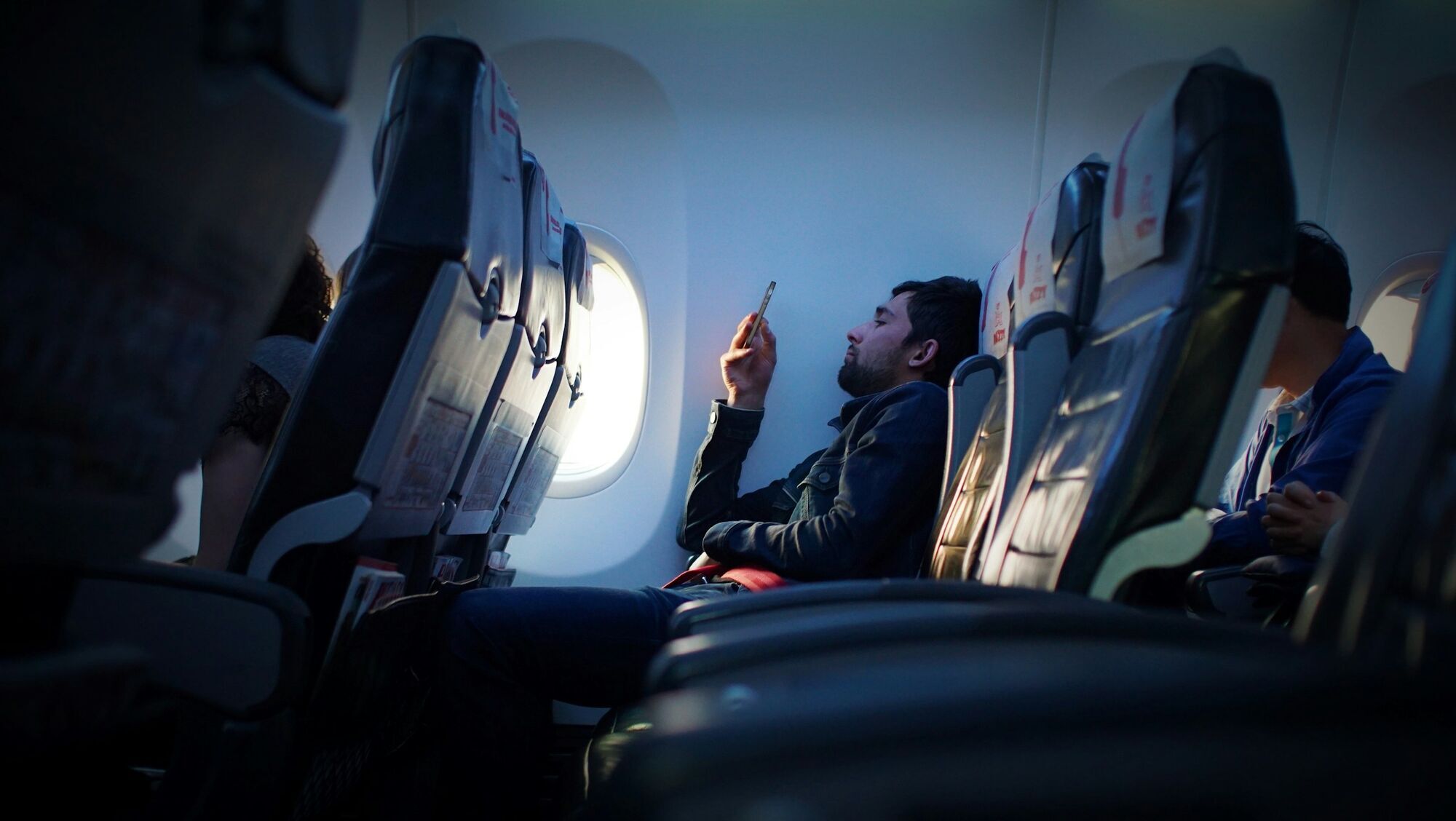
Most US airlines already prohibit voice and video calls during flights, including those made through onboard Wi-Fi. The rules are set by individual carriers, so cabin crew currently rely on company policy when asking someone to hang up. Passengers can still use the internet, but anyone unfamiliar with a particular airline’s conditions may not realise that a strong connection does not make spoken calls acceptable.
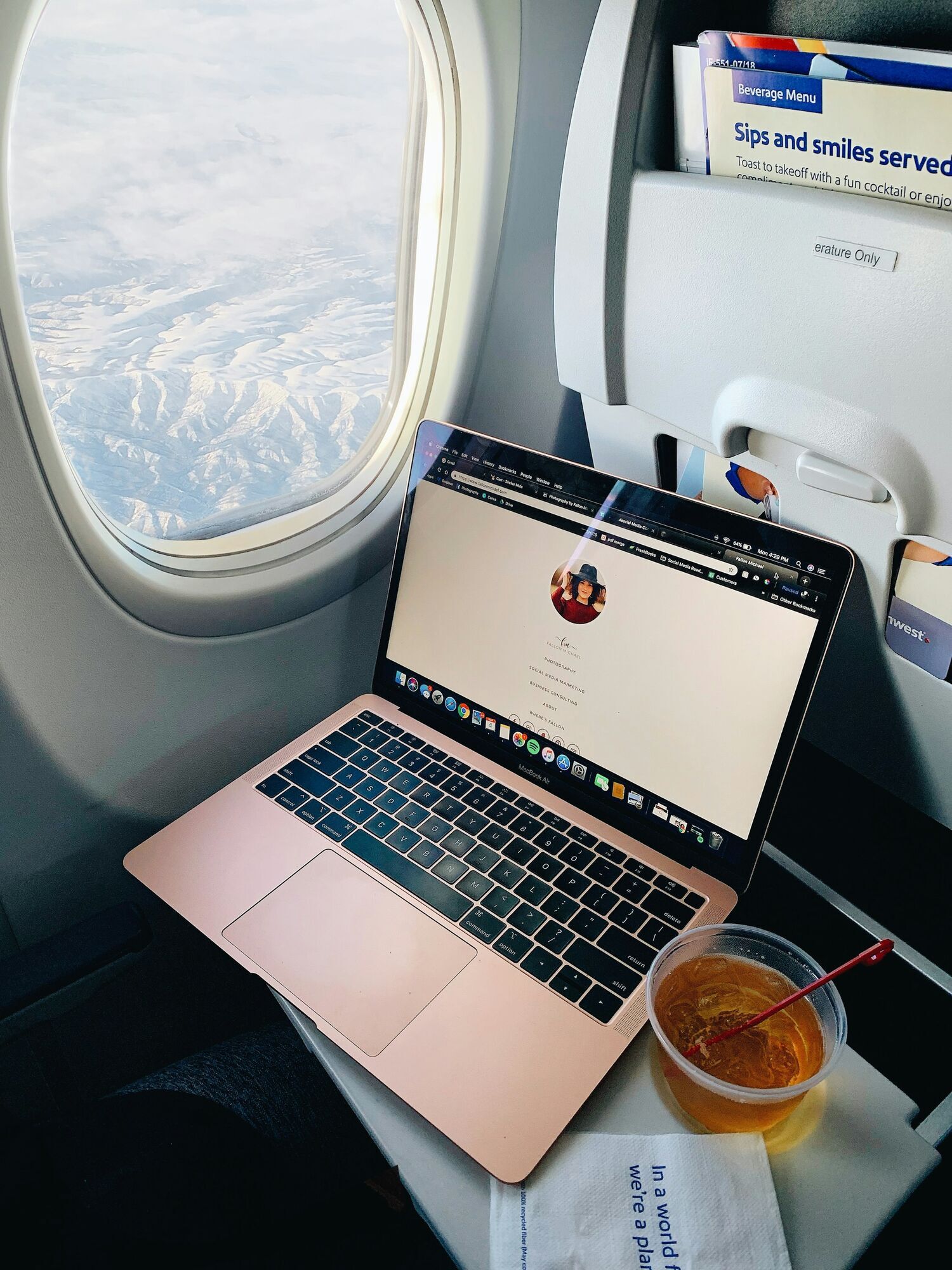
The proposal would leave ordinary internet access untouched. Passengers could continue sending messages, answering emails, watching streamed content and working online where Wi-Fi is available. Someone who must follow a virtual meeting could listen through headphones or use its text chat without speaking. Faster connections would therefore remain useful on long journeys, while the cabin would avoid several overlapping conversations in a confined space.
If passed, the bill would replace separate airline policies with one rule for commercial flights governed by the FAA. This would make the restriction easier to understand and support crew members when enforcing it. No immediate change has taken effect: the proposal must first pass Congress and become law. The FAA would then have 180 days to publish the detailed regulation that airlines and customers must follow.