Ryanair Urges Germany to Scrap Air Travel Tax
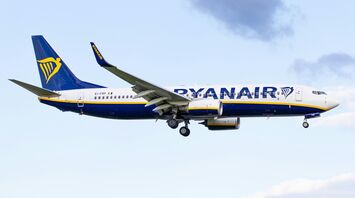
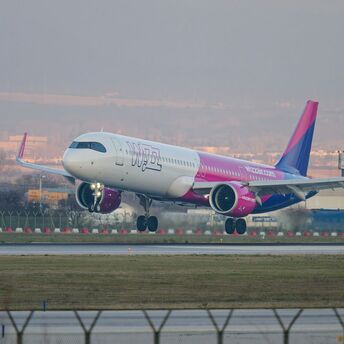
Ryanair has criticised Germany’s national tourism strategy, arguing that it overlooks what the airline calls the country’s biggest obstacle to recovery: Europe’s highest access costs. Passenger traffic in Germany remains at 89% of pre-pandemic levels, with carriers shifting capacity to markets where aviation taxes and airport charges have been reduced or removed. The airline says visitor numbers will not recover while these costs remain in place.
According to Ryanair, the recent €3 reduction in Germany’s air passenger tax does little to address the issue, as the country still applies one of the highest aviation taxes in Europe. The carrier insists that any credible tourism plan must begin with aviation policy and calls for the full abolition of the tax rather than a limited cut scheduled for July 2026.
“Publishing a national tourism strategy without competitive access costs is a complete waste of time. Aviation brings tourists, and as long as Germany fails to address its high and uncompetitive access costs, this so-called ‘strategy’ is nothing more than a lot of talk without concrete action. The strategy document contains only a single paragraph on air access in the German market, without any recommendation to significantly reduce access costs in order to stimulate tourism growth."
The airline argues that Germany’s competitiveness is weakened by a combination of passenger tax, air traffic control charges and airport fees. Instead of tackling these structural costs, Berlin has, in Ryanair’s view, published a strategy that fails to confront the reasons airlines are reallocating aircraft elsewhere in the EU. The company maintains that without lower access costs, traffic will struggle to return to pre-crisis volumes.
What Ryanair says could change
- Traffic could double to 34 million passengers
- Up to 30 additional aircraft could be based in Germany
- Thousands of new jobs could be created nationwide
Ryanair points to countries such as Sweden, Hungary and Albania, as well as regions in Italy, where aviation taxes have been scrapped or reduced to stimulate traffic and employment. It says similar reforms in Germany would allow it to expand significantly using its existing order of Boeing 737 MAX 10 aircraft.
The debate highlights a broader question about how Germany intends to rebuild inbound tourism. If access costs remain high, airlines may continue to favour more competitive markets. If they fall, capacity could return more quickly, increasing seat supply and potentially stabilising fares. The outcome will shape how easily international visitors can reach German cities in the coming years.