Ryanair Flags OTA Price Gaps in February Survey
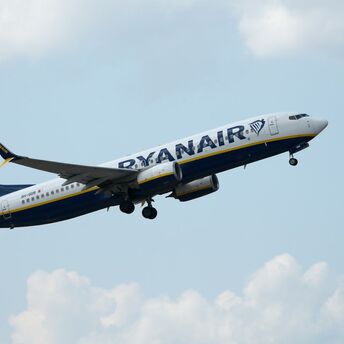
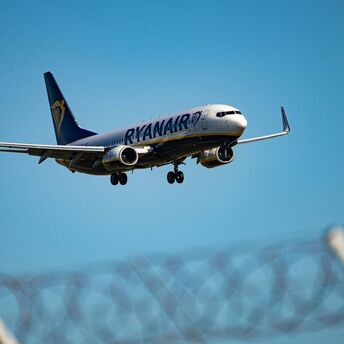
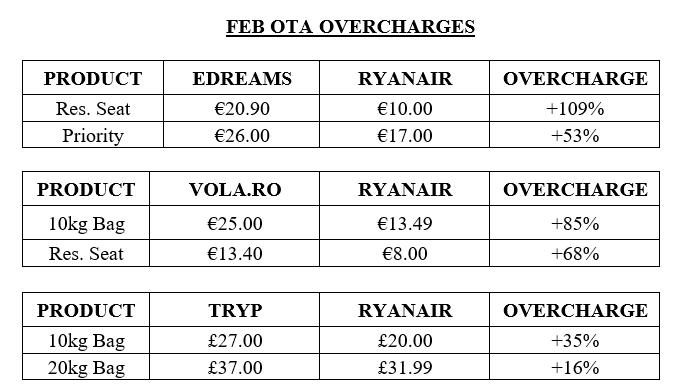
Ryanair’s February survey highlights continued price gaps between its own website and several online travel agencies, despite repeated warnings. According to the airline, platforms including eDreams, Vola and Tryp listed optional services at significantly higher prices than those offered directly. The survey looks at optional extras, not ticket prices, and highlights ongoing issues with how additional costs are displayed during booking.
The survey gives specific examples. eDreams listed a reserved seat for €20.90, while the same option cost €10 when booked directly. Vola priced a 10kg cabin bag at €25, compared with €13.49 on Ryanair’s site. The airline argues these differences cannot be explained by service levels and reflect pricing practices that continue to affect customers across multiple European markets.
“Ryanair’s February survey shows that some OTAs like eDreams, Vola, and Tryp continue to overcharge unsuspecting consumers, in some cases more than double the prices on Ryanair’s website. Yet still, Spain’s useless Consumer Minister Bustinduy, refuses to do anything to protect thousands of Spanish consumers from such eDreams overcharging."
Examples highlighted in the February survey
- Reserved seat sold by eDreams at more than double Ryanair’s price
- 10kg bag listed by Vola at nearly twice the direct cost
- Repeated gaps on optional extras rather than flight tickets
Ryanair links these findings to recent regulatory action, including a €9 million fine issued in Italy against eDreams for misleading pricing.
Routes served by Ryanair often connect major cities with popular holiday regions, making clarity around add-on pricing particularly relevant. Short leisure trips, weekend city breaks and family travel rely heavily on predictable costs for seating and luggage. When these extras rise sharply during booking, destinations across southern Europe, island routes and high-frequency business corridors become harder to plan with confidence.
The airline says the survey underlines a wider issue rather than isolated cases. As digital booking becomes the default, consistent pricing presentation plays a growing role in travel decisions. The contrast between direct bookings and some third-party platforms adds pressure on consumer authorities to address transparency standards. How this develops may influence where travellers choose to book, not just where they choose to fly.