Liverpool Street Expansion Finally Approved After Years of Debate

London Liverpool Street Station, the UK’s busiest rail hub, has received formal approval for a long-planned redevelopment after years of discussion and opposition. The City of London Corporation has signed off plans aimed at modernising the station, which handles close to 100 million passengers each year. The decision clears the way for a large rebuild intended to address crowding, ageing infrastructure and long-standing access issues.
The £1.2 billion project focuses on expanding capacity and updating facilities across the site. Liverpool Street is planned to cope with as many as 200 million passengers a year, close to twice its current throughput. Although the scheme has now been approved, building work is still some way off and will not begin in the immediate future. Work is currently expected to begin in 2029, with completion targeted for 2036, meaning disruption and change will unfold gradually rather than overnight.
“Everyone likes an upgrade, and this astonishing improvement to Britain’s busiest train station is just that; a major improvement by every measure."
What the redevelopment includes
- Wider platforms and additional ticket barriers
- New lifts, escalators and upgraded toilets
- More shops, cafés and public space
- Improved pedestrian and cycling routes
- A 318-foot office tower built above the concourse
The expanded station is expected to improve access to key rail services serving east London, Essex and major destinations beyond the capital. Routes linking the city with Stansted Airport, regional commuter lines and the Elizabeth line should benefit from improved circulation space and clearer passenger flows. The surrounding area is also set to gain new public routes, green space and better connections between neighbourhoods.
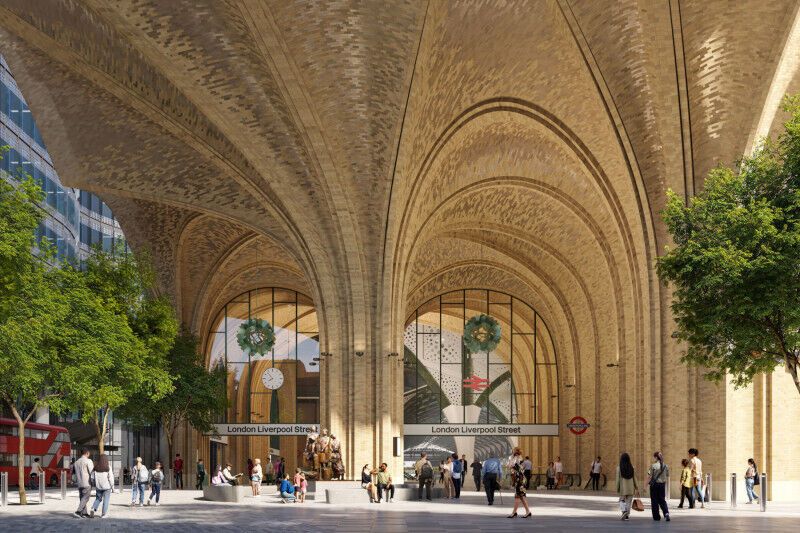
For everyday passengers, the approval points to a long period before any visible changes appear, but it also brings certainty about what lies ahead. Liverpool Street’s size and daily demand leave little scope for quick fixes, and projects of this scale inevitably stretch across many years. Disruption during construction remains a concern, yet the decision makes clear that leaving the station as it is was no longer a realistic option.