Jet2 Pushes for UK-Wide No-Fly List After Mid-Air Incident
A UK airline is calling for a national system to track disruptive passengers after a recent onboard incident forced a flight diversion. Jet2 says travellers who cause serious disruption should face bans across all UK airlines, not just one carrier. The proposal follows a case where two passengers were removed mid-journey after their behaviour escalated during a flight.
The incident involved a Jet2 flight from Antalya to London that was forced to divert to Bulgaria after passengers became disruptive on board. The crew requested assistance ahead of landing, and police and medical teams met the aircraft on arrival. The unscheduled stop caused delays to the journey, with the situation handled on the ground before the flight continued.
“We are lobbying for the creation of a national database so that as well as being banned from flying with us, disruptive passengers will also be banned from flying with other U.K. airlines."
Jet2 confirmed that the passengers involved have been banned for life and said it plans to recover costs linked to the diversion. The airline also stated it is lobbying for a shared database so individuals banned by one airline cannot simply book with another. At present, airlines manage their own no-fly lists, and there is no unified system across the UK.
How airlines are dealing with disruptive passengers
- Lifetime bans applied by individual airlines
- Legal action to recover diversion costs
- Calls for shared no-fly lists across airlines
- Fines and penalties for onboard misconduct
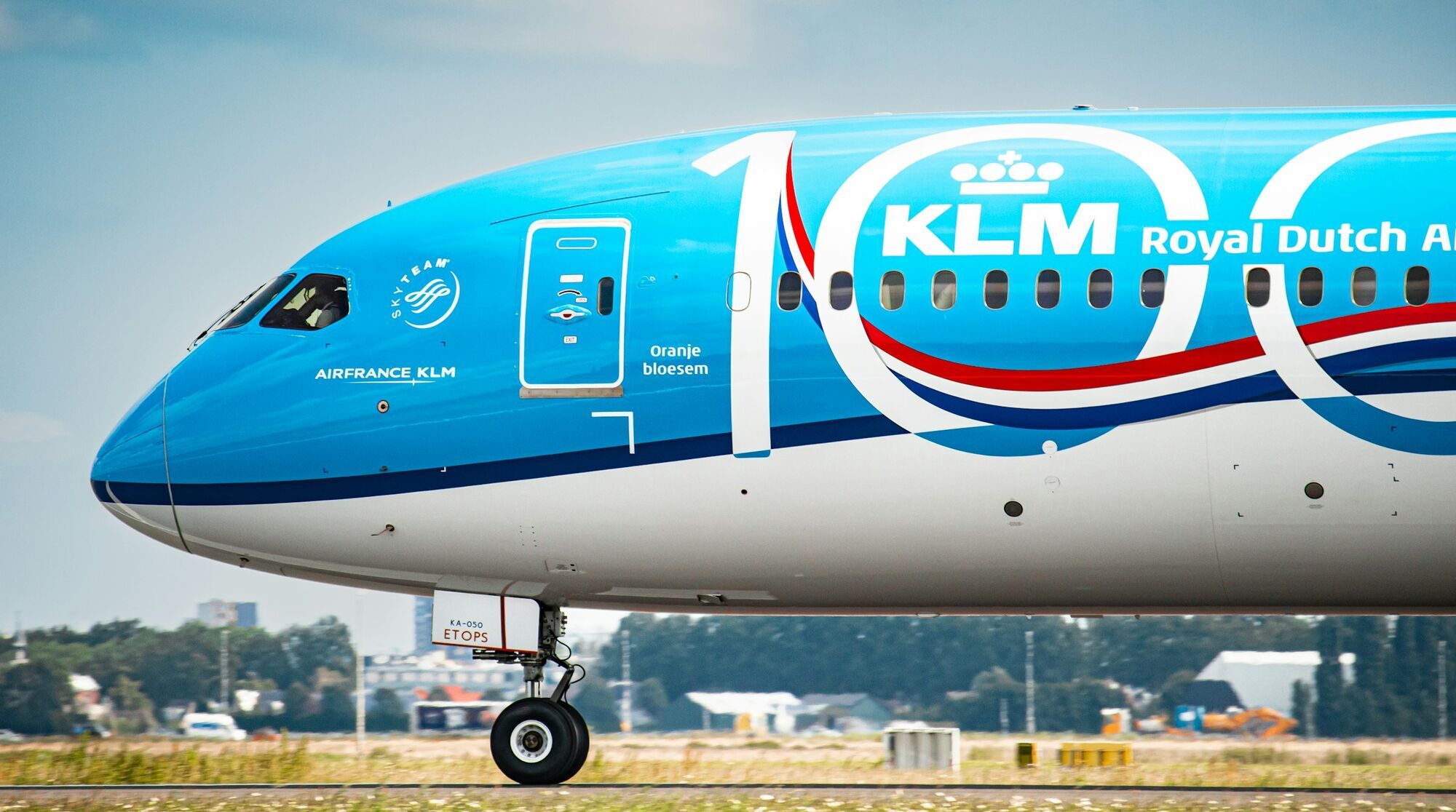
Other airlines have taken similar steps in recent years. KLM and Transavia introduced a joint ban system, while US carriers have discussed sharing data to prevent repeat incidents. Reports show disruptive behaviour rose sharply during the pandemic and, although numbers have fallen, cases remain above earlier levels. Airlines are increasingly taking legal action to reduce risks and limit financial losses linked to diversions.
If a shared system is introduced, it would close a gap that currently allows banned passengers to move between airlines without restriction. It could lead to stricter checks and clearer consequences for behaviour on board.It could also mean fewer incidents on flights, especially on busy routes where one situation can force a delay or diversion and affect the whole aircraft.