Robots Join the Front Desk as Hotels Rethink Service
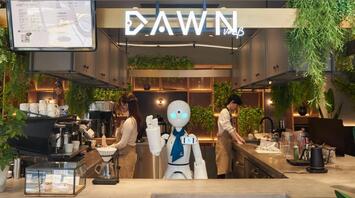
Hotels, cruises and wellness spaces are increasingly mixing human service with technology, a model now referred to as hybrid hospitality. One example is the Avatar Robot Café DAWN in Tokyo, where robots are controlled remotely by people who cannot leave their homes. The concept shows how service can be delivered differently without removing the human presence behind it
The café operates with a combination of staff, humanoid robots and remote "pilots" who interact with guests in real time. Rather than replacing workers, the system allows people with disabilities to take part in hospitality roles. The idea centres on connection, with technology acting as a tool that extends where and how interaction can happen, instead of removing it entirely.
Similar tools are already in use across travel. In some hotels, small robots bring items to rooms or sort out simple requests. Booking platforms now use AI to look up routes and update bookings when plans change. On cruise ships, most of the systems are not visible to passengers. Crews rely on them to map routes and manage daily work, while people on board continue their trips without paying attention to how it all runs.
Where hybrid hospitality is already used
- Hotel robots delivering items and dealing with requests
- AI tools used in bookings and trip changes
- Cruise systems used to plan routes and run onboard services
These changes affect how everyday services are handled. Check-in, requests and itinerary updates can be processed more quickly, reducing waiting times. In cities such as Tokyo, they also introduce different types of experiences, including robot-led tours and venues where part of the interaction takes place remotely rather than entirely on-site.
“The universally human element is the need for contact and interaction. Whether it happens through a robot or in real life, the connection is what matters."
Hybrid hospitality is likely to become more common rather than a niche concept. Travel still depends on human interaction, especially when plans go wrong or decisions need flexibility. Technology is increasingly handling routine steps, while people remain central to the experience. This shift means trips may feel more efficient, but the quality of service will still depend on human input behind the scenes.