Holiday Travel at Heathrow Under Extra Strain This December
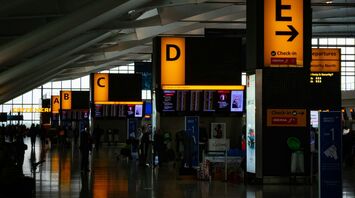
Travellers passing through Heathrow over the Christmas period are set to encounter an airport operating under added strain as cleaning staff take industrial action from 18 to 29 December. The dispute involves more than 80 workers employed by OCS to clean buildings and operational areas used by British Airways across four terminals. The action coincides with one of the busiest travel windows of the year, when passenger volumes are already at seasonal highs.
At the centre of the dispute is pay. The affected workers are paid the minimum hourly rate despite working in London, where living costs are significantly higher. For more than a year, they have been seeking the London living wage, which is already paid to cleaners doing similar work at Heathrow under a different contract. The situation highlights uneven pay structures within the same airport, despite strong financial performance by the companies involved.
"It is an utter disgrace that while their employers are raking in huge profits, our members have been left struggling financially in one of the world's most expensive cities. This shameful situation must end and our members have Unite's unyielding support in their fight for fair pay."
How the dispute affects airport operations
Any impact on travellers is expected to be subtle rather than immediate. Much of the routine work that keeps an airport running happens away from public view, with cleaning staff covering areas well beyond terminals, including spaces tied to baggage handling, cargo operations and aircraft maintenance. At the height of the travel rush, small shortfalls in this work tend to show up across the airport, slowing everyday tasks that normally run in the background.
For many passengers, moving through the airport during the busiest holiday days may feel more chaotic than usual. Heavily used terminals, combined with tighter turnaround times, can make already busy journeys feel more demanding. Passengers travelling early in the day, changing flights within tight timeframes or relying on extra assistance may feel the impact more clearly, which makes arriving earlier than usual a sensible step.
Beyond the immediate situation, the dispute draws attention to how many essential airport functions rely on staff whose work is rarely seen by travellers. While flights may continue as planned, behind-the-scenes disputes can still shape the travel experience. For holiday travellers, this serves as a reminder that planning ahead and managing expectations is essential during peak periods, when even small disruptions can have a wider impact.