Europe Travel Plans Hold as Safety and Costs Come Into Focus

Interest in travel across Europe is still strong, even as tensions in the Middle East affect aviation and energy markets. News in recent weeks has highlighted flight disruptions and concerns about fuel supply, but demand has not fallen. Data from the European Travel Commission shows that 82% of Europeans plan to travel this season, one of the highest figures recorded since the pandemic.
At the same time, safety is becoming more important when people choose where to travel. Around 22% of travellers now say it is their main concern, slightly higher than last year. The issue is clearer among older age groups, with 45% of those over 54 saying they are concerned, compared with 33% of travellers aged 18 to 24.

Costs are also shaping travel plans. More people are watching their budgets and adjusting trip length. Stays of four to six nights are becoming more common, while longer holidays are less popular. Spending patterns reflect this shift, with more travellers planning to stay within €1,000 and fewer willing to go beyond €1,500. Airfares have risen too, with average economy ticket prices up by 24% compared with last year.
What is changing in travel behaviour
- Safety concerns rising, especially among older travellers
- Shorter trips becoming more common
- More people planning to spend up to €1,000
- Fewer travellers opting for longer stays
- Airfares increasing across Europe
Changes in routes and flight availability are already affecting travel choices. Some airlines, including Lufthansa, have cut summer services as fuel costs increase. This reduces options on certain routes and can mean longer journeys with connections. Destinations within Europe may attract more travellers, as they are easier to reach without complicated planning.
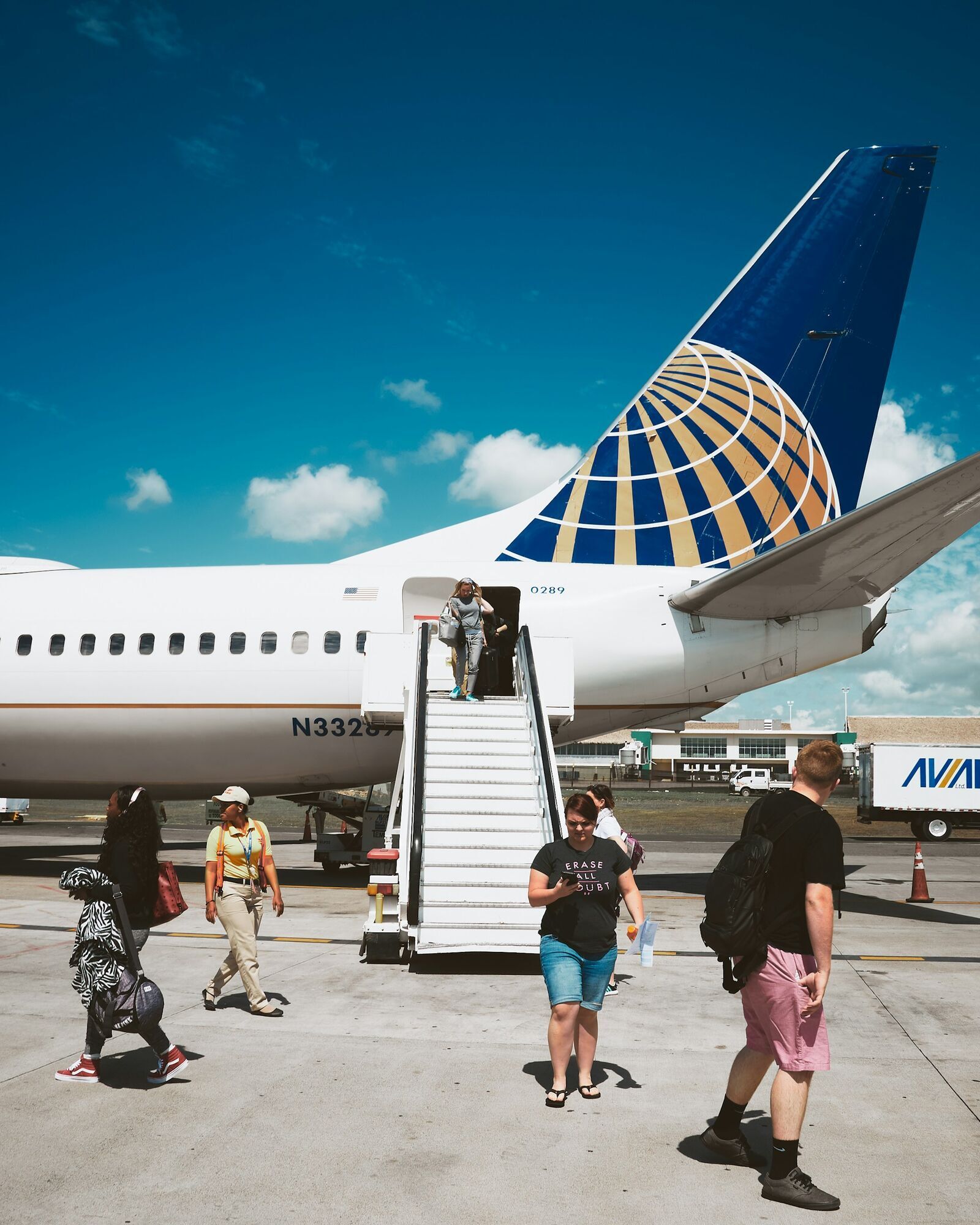
Travel demand remains strong, but plans are becoming more practical. People are not cancelling trips, yet they are choosing destinations more carefully and keeping a closer eye on both safety and costs. Shorter stays and simpler routes are becoming more common, especially where direct options are limited. Travel is still a priority, though decisions now reflect a more cautious and considered approach.