Athens Weighs Limits on New Hotels Amid Tourism Pressure
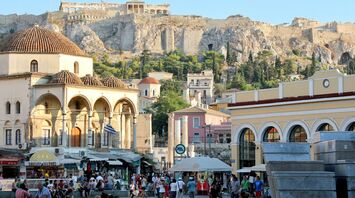
Athens may restrict new hotel licences as city officials examine how tourism growth is affecting daily life. Mayor Haris Doukas raised the issue during the "This is Athens – Agora" event, following an earlier decision to stop issuing new permits for short-term rentals in parts of the city centre. Authorities are now looking at whether similar limits could apply to hotel development in already busy areas.
Doukas said the city needs to decide how many additional hotel rooms are sustainable and where they should be located. He warned that some central districts are already under strain and should not take on further capacity. Barcelona is mentioned as an example of overcrowding and the pressure that growing visitor numbers can place on housing, infrastructure and local areas.
"We don't need to reinvent the wheel. The example I gave is that in Barcelona they have completely banned short-term rentals from 2028 and from 2017 onwards no new hotel licences are being issued. So there are, therefore, abroad these restrictions. We will possibly have to see in Athens what we want in terms of where we want to be in 10 to 15 years."
Recent figures from INSETE show that Attica has nearly 69,000 hotel beds, with around half in central Athens. Industry representatives say hotel numbers have risen quickly in recent years. The growth of hotels, along with more short-term rentals and other types of accommodation, is putting pressure on the city and forcing authorities to consider limits on further development.
Where restrictions may apply
- Central districts with high visitor numbers
- Areas already affected by limits on short-term rentals
- Locations with limited infrastructure
- Zones currently reviewed by the city’s tourism observatory
Athens is now the most visited destination in Greece, with international arrivals reaching 12 million in 2025. Large numbers of visitors continue to head to places such as the Acropolis, areas like Plaka and Monastiraki, and the nearby coast. Limiting further growth in accommodation could help keep these locations accessible and reduce pressure on transport and public spaces during busy periods.
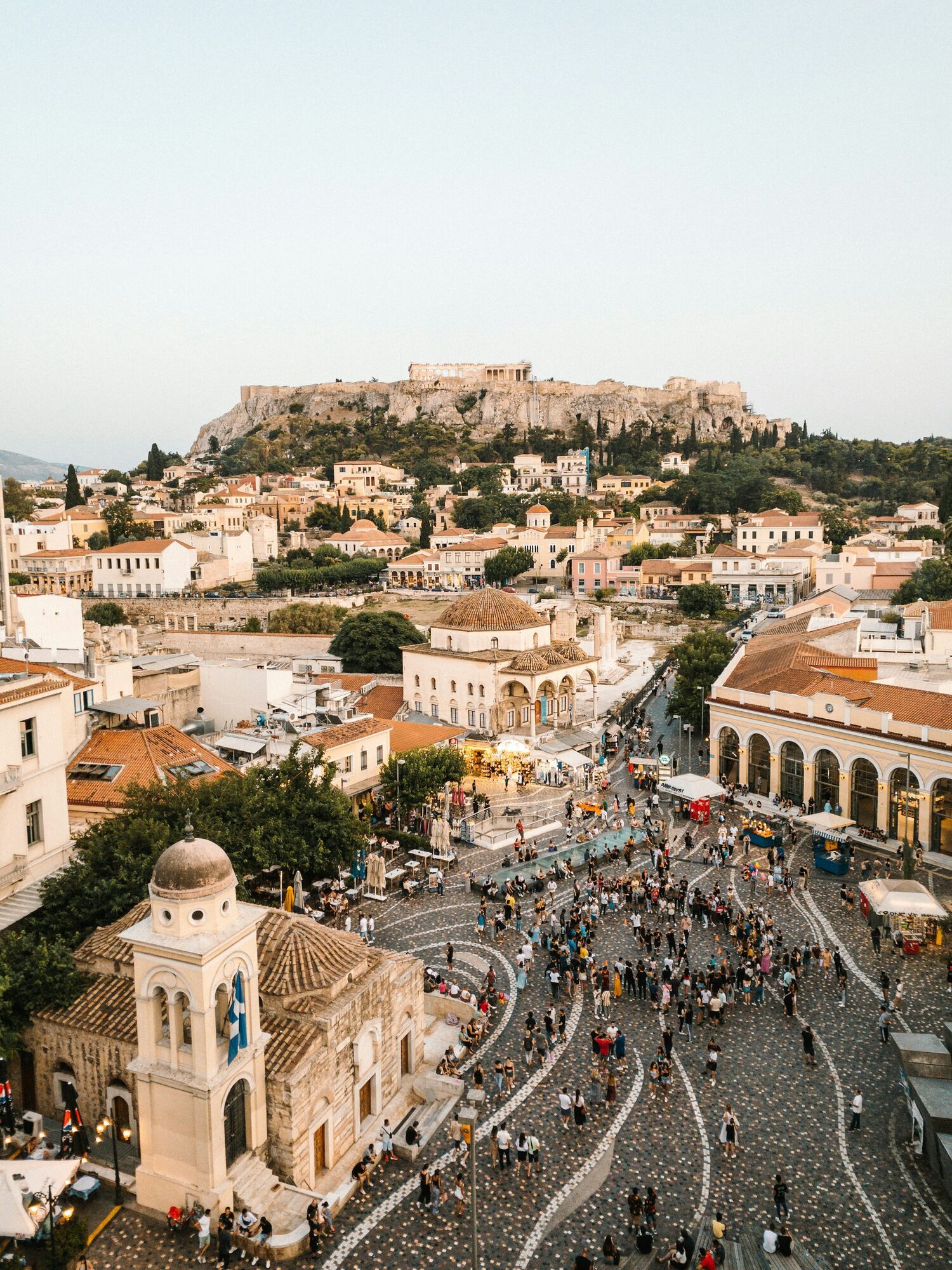
The discussion shows that the city is starting to rethink how it handles tourism growth. Instead of continuing to add more hotels, the focus is shifting to control and planning. Decisions about new licences will affect where people stay, how busy central areas become, and whether the city can cope with both residents and the steady flow of visitors.