Helsinki Opens Car-Free Bridge Linking Islands to City
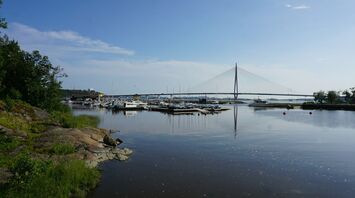
Helsinki has opened one of the world’s longest pedestrian bridges, creating a new link between Korkeasaari and Kruunuvuorenranta. The Kruunuvuorensilta bridge stretches 1,191 metres and is designed for pedestrians, cyclists and public transport only, with no access for cars. The project connects previously separated areas and introduces a new route into the Finnish capital’s wider urban network.
The bridge changes distances across the city. Kruunuvuorenranta is now around five-and-a-half kilometres from central Helsinki, compared with the previous route of roughly 11 kilometres. Local officials say the structure improves access while also reshaping how different districts relate to the city centre. Mayor Daniel Sazonov described it as a new landmark expected to attract visitors.
“Kruunuvuorensilta bridge is the new, unique and exciting landmark for Helsinki."
Interest was clear during the opening weekend, when more than 50,000 people crossed the bridge. The scale of the structure and its setting over the water make it a visible addition to the city skyline. It also forms part of a wider plan to strengthen connections between Laajasalo and central Helsinki without relying on road traffic.
Other new attractions in Helsinki
- Yrjönkatu Swimming Hall (Art Deco venue reopened in February)
- Seurasaari Open-Air Museum (new traditional summer cottage opening soon)
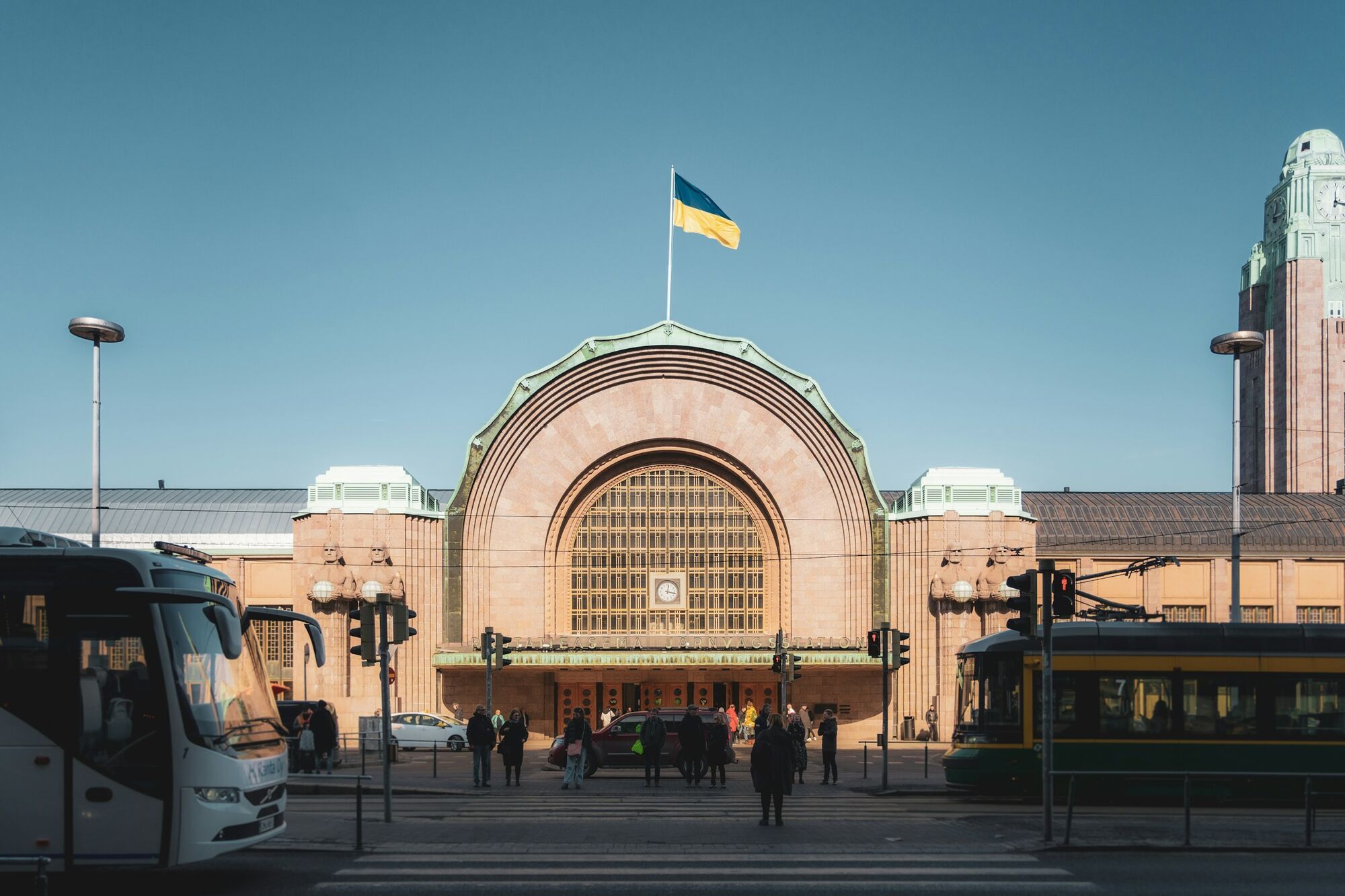
- Helsinki Central Railway Station (Taulu restaurant now open)
- Waldorf Astoria Helsinki (recent hotel opening with spa-style suites)
The new route makes it easier to reach areas that previously felt more remote. Walkers and cyclists can cross directly between islands, while public transport connections continue across the bridge. This shortens access to waterfront views, green spaces and cultural sites, and also links visitors more easily with nearby attractions across different parts of the city.
Helsinki is expanding routes that do not rely on cars, and the new bridge reflects that direction. Distances across the city are reduced, while areas that were less convenient to reach are now better connected. The bridge changes how people get around day to day and brings different parts of the city closer together in a more practical way.