Cologne Cathedral to Introduce Tourist Entry Fee
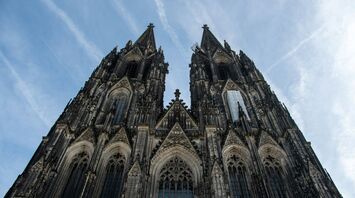
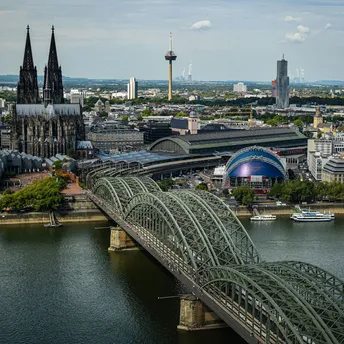
Cologne’s famous Gothic cathedral, one of Germany’s most recognisable landmarks, will begin charging tourists for entry later this year. Church officials confirmed the plan on 5 March, saying the move is necessary to deal with rising maintenance costs. The UNESCO-listed building, which stands beside the city’s main railway station near the Rhine, attracts around six million visitors annually.
Construction of Cologne Cathedral began in 1248 and was completed more than six centuries later in 1880. The cathedral became a UNESCO World Heritage Site in 1996 and remains the city’s most visited attraction. Officials say the new charge will apply to tourists starting in the second half of the year, although the exact ticket price has not yet been announced.

Why the cathedral plans to charge visitors
Church leaders say maintaining the historic building has become increasingly expensive.
- Around €16 million is expected to be spent on maintenance this year
- Rising inflation and staffing costs continue to increase expenses
- Pandemic closures reduced income from tower and treasury visits
- Financial reserves used in recent years are now largely depleted
Savings measures, including leaving some positions unfilled, have already been introduced, but officials say these steps cannot solve the long-term funding gap.
The cathedral will remain free for people attending religious services or visiting for prayer in designated areas. According to cathedral dean Guido Assmann, tourists account for roughly 99% of visitors, which explains why the fee will mainly affect sightseeing trips. Similar policies exist elsewhere in Europe, where historic churches often charge tourists while keeping religious access free.

Cologne is easy to explore, and the cathedral stands right beside the city’s main railway station near the Rhine. Many visitors stop there first before walking through the Old Town, along the river promenade or into nearby museums. Popular nearby stops include the Chocolate Museum and several Roman sites, including the Praetorium and the Roman-Germanic Museum.