Places Around the World Where Women Still Face Entry Bans
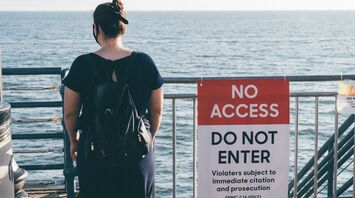
Women remain excluded from certain places and institutions in several parts of the world. The reasons differ. Some restrictions come from religious rules or national laws, while others stem from long-standing traditions. In a few cases the limits apply to specific locations such as temples, mountains or islands. Elsewhere they affect education, particular professions or membership in closed organisations.
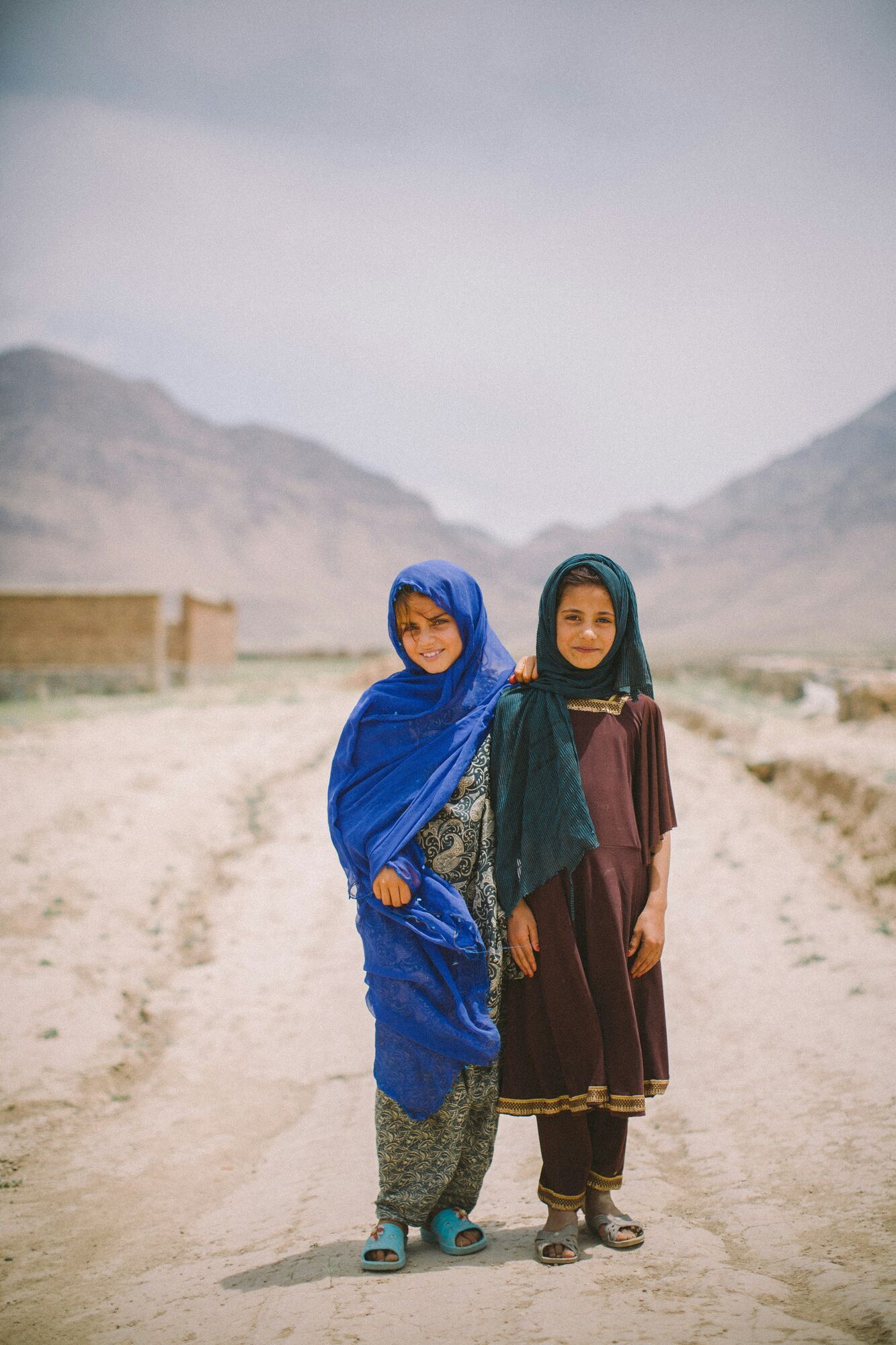
One of the most serious restrictions affects education in Afghanistan. Since 2022, the Taliban authorities have banned women from attending universities. Girls are also not allowed to continue school beyond the sixth grade. UNESCO estimates that more than 2.2 million girls are affected. Since returning to power, the Taliban has issued dozens of decrees that limit the rights of women and girls.
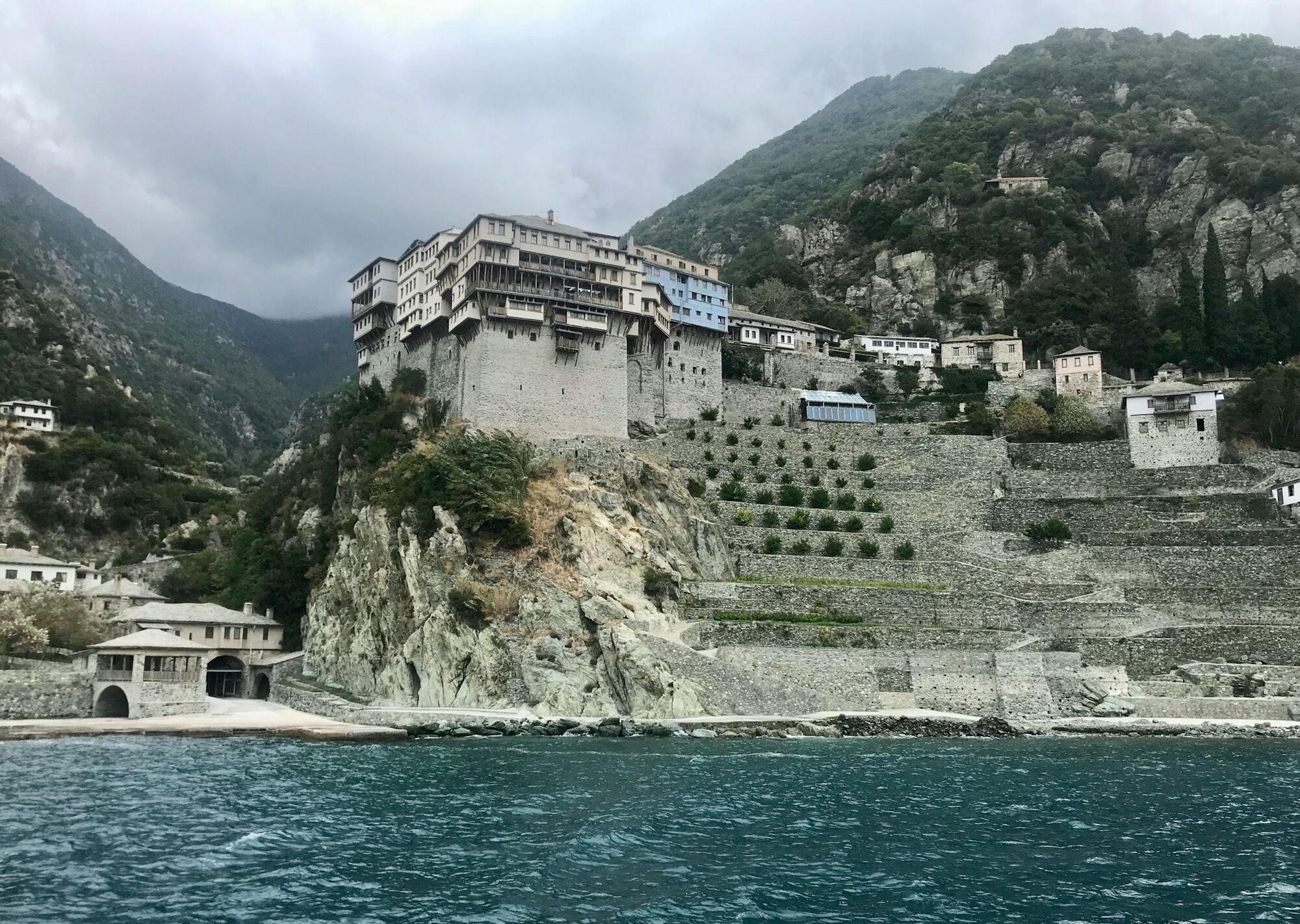
Several religious or cultural sites also remain closed to women. In Japan, women have been barred from climbing Mount Omine for more than 1,300 years because of its importance to Shugendo religious practice. Greece’s Mount Athos follows a similar rule. The peninsula, home to around twenty monasteries and roughly 1,400 monks, prohibits women from entering and even restricts them from approaching its coastline.
Places Where Women Still Face Entry Restrictions
- Mount Athos, Greece: women are banned from the monastic peninsula and nearby waters
- Mount Omine, Japan: a sacred pilgrimage mountain closed to women for centuries
- Okinoshima Island, Japan: access restricted due to Shinto religious traditions
- Freemason lodges in the United States: most mainstream lodges still accept only male members
These restrictions also affect places that travellers may encounter during trips. Mount Athos lies within northern Greece, a region known for monasteries and historic coastal towns, while Mount Omine sits within a UNESCO-listed pilgrimage landscape in Japan’s Nara Prefecture. Okinoshima Island, another protected site, is rarely accessible even to men, yet it forms part of Japan’s maritime cultural heritage.
These bans still remain in force in several places and are linked to long-standing customs, religious practice or national laws. In some destinations the rules affect specific religious sites, islands or mountains. Anyone researching or planning a visit may come across these limits, which continue to shape who can enter certain locations.