SKY Express Issues Additional Guidance After Recent Airport Delays

Airlines are sharing extra information as the new system is introduced. SKY express has published updated guidance advising travellers to arrive earlier at the airport and have documents ready before reaching border control. The notice comes after recent delays at several European airports connected with the first phase of the Entry/Exit System (EES), where additional registration checks have made processing slower for some passengers.
From 10 April 2026, the European Union began using the Entry/Exit System (EES). It records digitally when travellers from non-EU countries enter and leave the Schengen area during short stays of up to 90 days within a 180-day period. Entry and exit details are now stored electronically across participating countries instead of being marked with passport stamps. The change affects how short stays in the Schengen area are recorded at external borders.
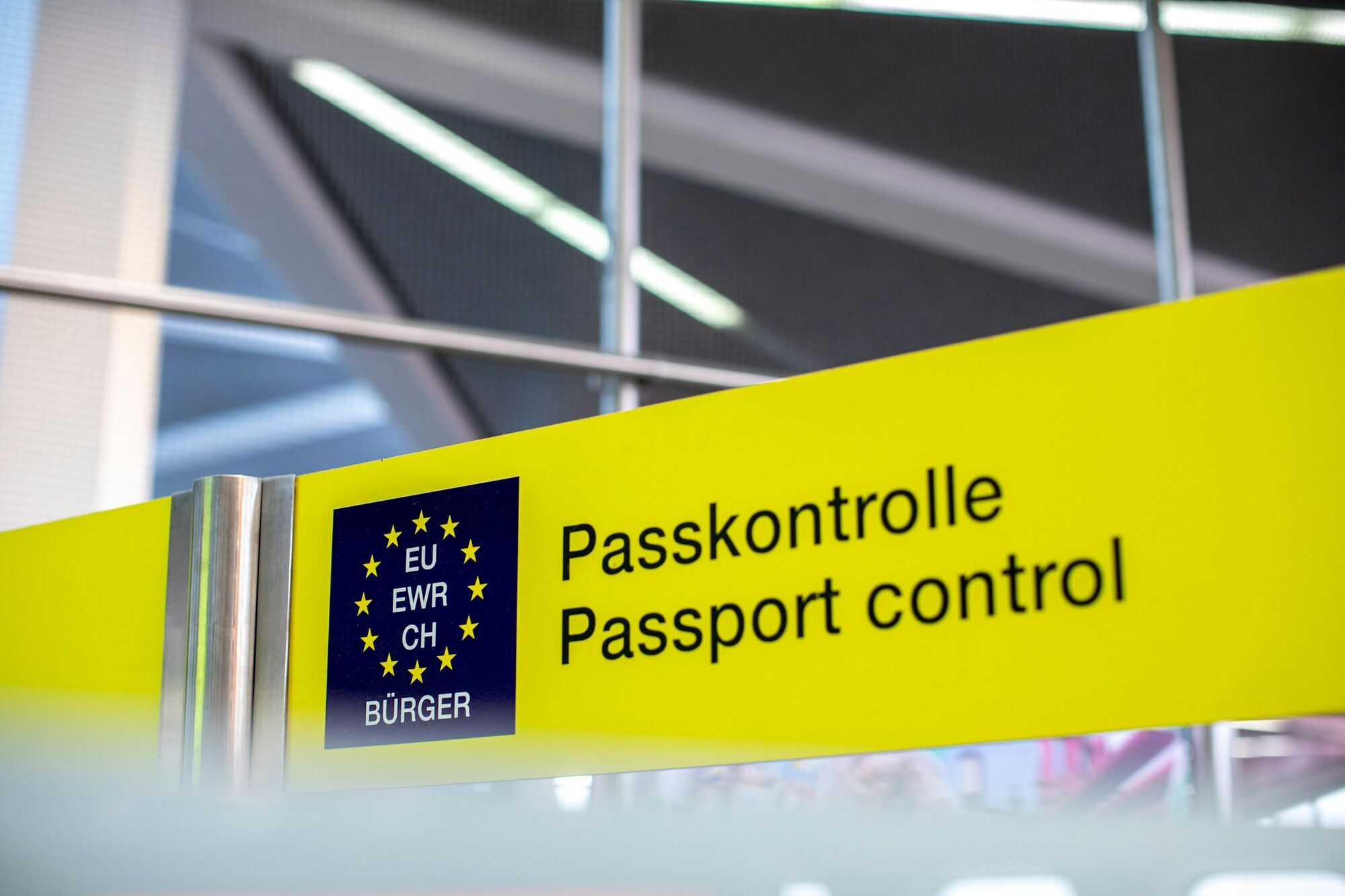
During the first trip under the system, border officers take fingerprints and a facial photo. The information stays in the database and can be used on future journeys, so the same steps may not be required again. The first registration may take more time than usual passport control, and queues can be longer while airports get used to the new process.
What Changes Under the EES
- Electronic record of each entry and exit
- Biometric data collected at first visit
- Applies to short stays up to 90 days
- Used across participating EU external borders
- Replaces most passport stamping procedures

Digital entry records reflect wider efforts to standardise border procedures across Europe. Early operational challenges show that processing times may vary depending on airport readiness and traveller volumes. The additional notice from SKY express highlights the practical impact already observed, meaning passengers travelling to the EU for short stays may benefit from planning extra time at border control during the initial phase of the system rollout.