New Airport Opens Direct Access to South Greenland
Qaqortoq Airport has opened in South Greenland, creating a new entry point to one of the Arctic’s least visited regions. The airport replaces Narsarsuaq, located about 60 kilometres away, as the main air gateway to the southern part of the island. Previously, reaching Qaqortoq often required a helicopter or boat transfer. The new infrastructure shortens journey times and provides more straightforward access to the area’s main town.
The airport connects South Greenland with Nuuk throughout the year and with Keflavík in Iceland during the summer season. Air Greenland expects around two daily flights between Nuuk and Qaqortoq, with increased frequency during peak months. Icelandair plans up to four weekly summer flights linking Iceland with southern Greenland. The development forms part of a wider effort to improve connections across Greenland’s aviation network.

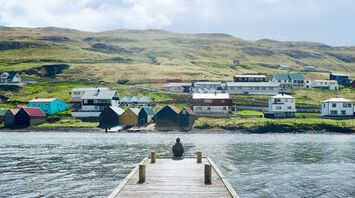
South Greenland has fjords, green valleys and small sheep farms, creating a landscape that looks different from the icy parts of the island. Cultural history is also significant, shaped by Inuit communities and Norse settlers who lived in the area more than a thousand years ago. The opening of the airport is intended to support local businesses and encourage more stable visitor flows throughout the year.
Key Routes to Qaqortoq
- Nuuk – Qaqortoq (year-round flights)
- Keflavík – Qaqortoq (summer season)
Tasermiut Fjord, known for steep mountains often compared with Patagonia, is now easier to reach. Travel plans that include hiking, boat trips and visits to small settlements can be arranged through Nuuk or Iceland. Journeys between towns no longer rely as heavily on helicopters or boats, which makes it more practical to spend several days in the region.
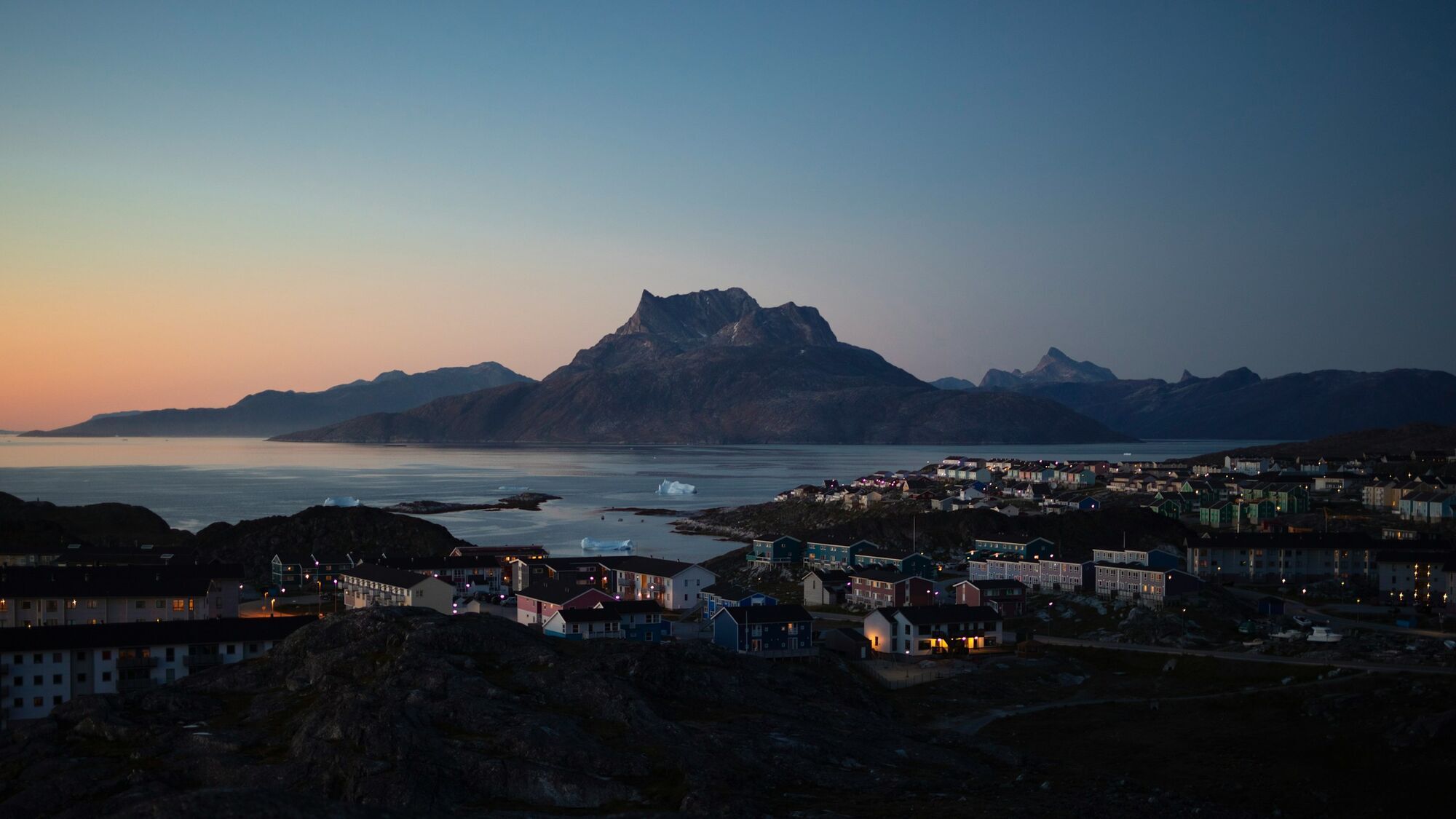
The opening of Qaqortoq Airport highlights a gradual shift in how remote destinations are being connected with international travel networks. More reliable access may encourage interest in regions that previously required complex logistics. As Greenland expands its airport network, the south becomes easier to include in Arctic travel plans, offering a combination of natural scenery and historical context that differs from more frequently visited Nordic destinations.