Wizz Air Warns Belgrade Could Lose Low-Cost Flights
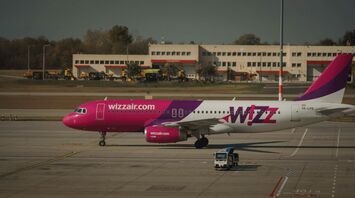
Wizz Air has accused Serbian authorities of pursuing measures that could force the airline to close its Belgrade base in November 2026. The carrier said the move would damage fair competition, reduce consumer choice and weaken Serbia’s international connectivity. It also claimed the measures would breach Serbia’s obligations under the European Common Aviation Area Agreement.
The airline said it has invested heavily in Serbia since 2010, carrying more than 14 million passengers and supporting tourism, trade and employment. Wizz Air currently operates 29 routes to 26 cities across 10 countries from Serbia, giving passengers access to low-cost direct flights to major European destinations.
“The Serbian authorities must decide whether they support open markets, connectivity, investment, and consumer choice - or whether they intend to restrict the market in order to protect artificially one carrier at the expense of the Serbian economy and against the interests of the Serbian people. The measures they plan to use against Wizz Air are illegal. We call on the Serbian authorities to stop discriminatory practices immediately, respect international obligations, and allow fair and transparent market conditions for all airlines operating in Serbia."
Wizz Air argued that any forced closure of its Belgrade base would protect the state-backed national carrier at the expense of competition. The airline said more than 150 skilled aviation jobs could be lost, while tourism, hospitality, airport services and related industries could also face wider pressure if routes are reduced.
If the base closes, Serbian travellers could see fewer low-cost options to European cities and higher fares on some routes. The impact would also matter for visitors planning trips to Belgrade, Novi Sad and other parts of Serbia, as fewer direct flights can make short breaks, family visits and business travel harder to organise.

The case is still a warning, not a confirmed closure. But it shows how quickly aviation policy can affect ordinary trips, not only airline boardrooms. If Belgrade loses part of its low-cost network, passengers may have to rely on fewer routes, less convenient timings or connections through other airports.