Island-Hopping Trips Gain Momentum Across Europe
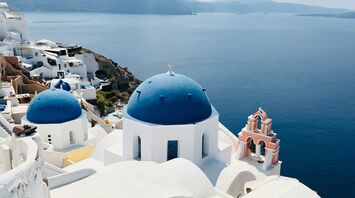
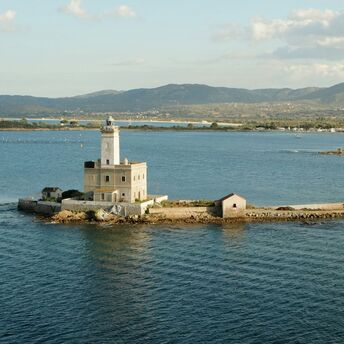
Island-hopping holidays are gaining attention across Europe as travellers look for journeys that combine several destinations in a single trip. Instead of staying in one place, this approach links multiple islands by boat or short flights. Spanish tour operator Atlantida Travel reports steady growth in interest in recent years, with demand rising notably after the pandemic as travellers search for space, privacy and stronger connections with nature.
Travel companies describe these trips as slower and more flexible than traditional holidays. Rather than rushing between attractions, island-hopping routes usually last between ten and fifteen days, allowing time to explore several islands without tight schedules. In more distant regions, journeys can stretch to three weeks. The idea is to balance exploration with time to rest while moving gradually across coastal landscapes.
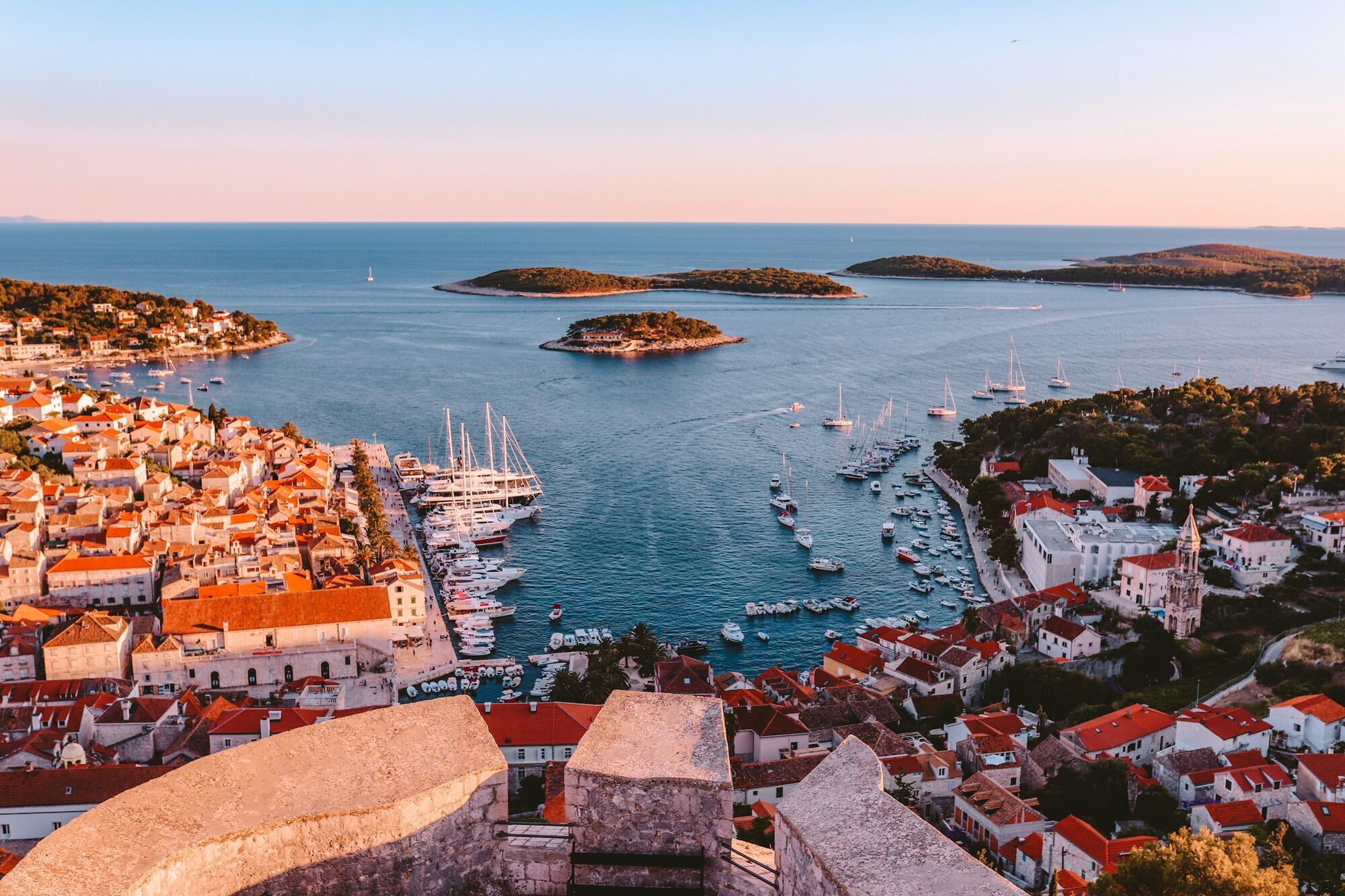
In Europe, Greece draws strong interest for island-hopping trips. The Cyclades – including Santorini, Mykonos and Paros – offer historic towns, clear beaches and a lively food scene that encourages travellers to move between islands. Croatia is another frequent choice. Routes linking Hvar, Brač and Korčula allow visitors to sail between medieval ports, quiet coves and small coastal towns along the Adriatic.
Popular European Island-Hopping Routes
Several parts of Europe are well suited to island-hopping trips, each offering its own scenery and pace of travel.
- Greece: The Cyclades, including Santorini, Mykonos and Paros
- Croatia: Routes linking Hvar, Brač and Korčula along the Adriatic
- Spain: Ibiza and Formentera, with the option to continue to Mallorca or Menorca
- Portugal: Azores islands such as São Miguel, Pico and Terceira
- Scotland: Island groups including Skye, Mull and Harris
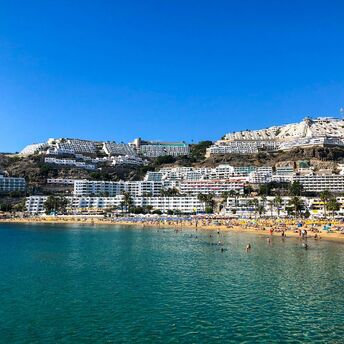
A single trip may pass through very different landscapes. Travellers might move between small historic towns, quiet beaches, volcanic terrain and coastal areas where marine wildlife is common. Each island stop tends to feel distinct, even when distances between them are relatively short.
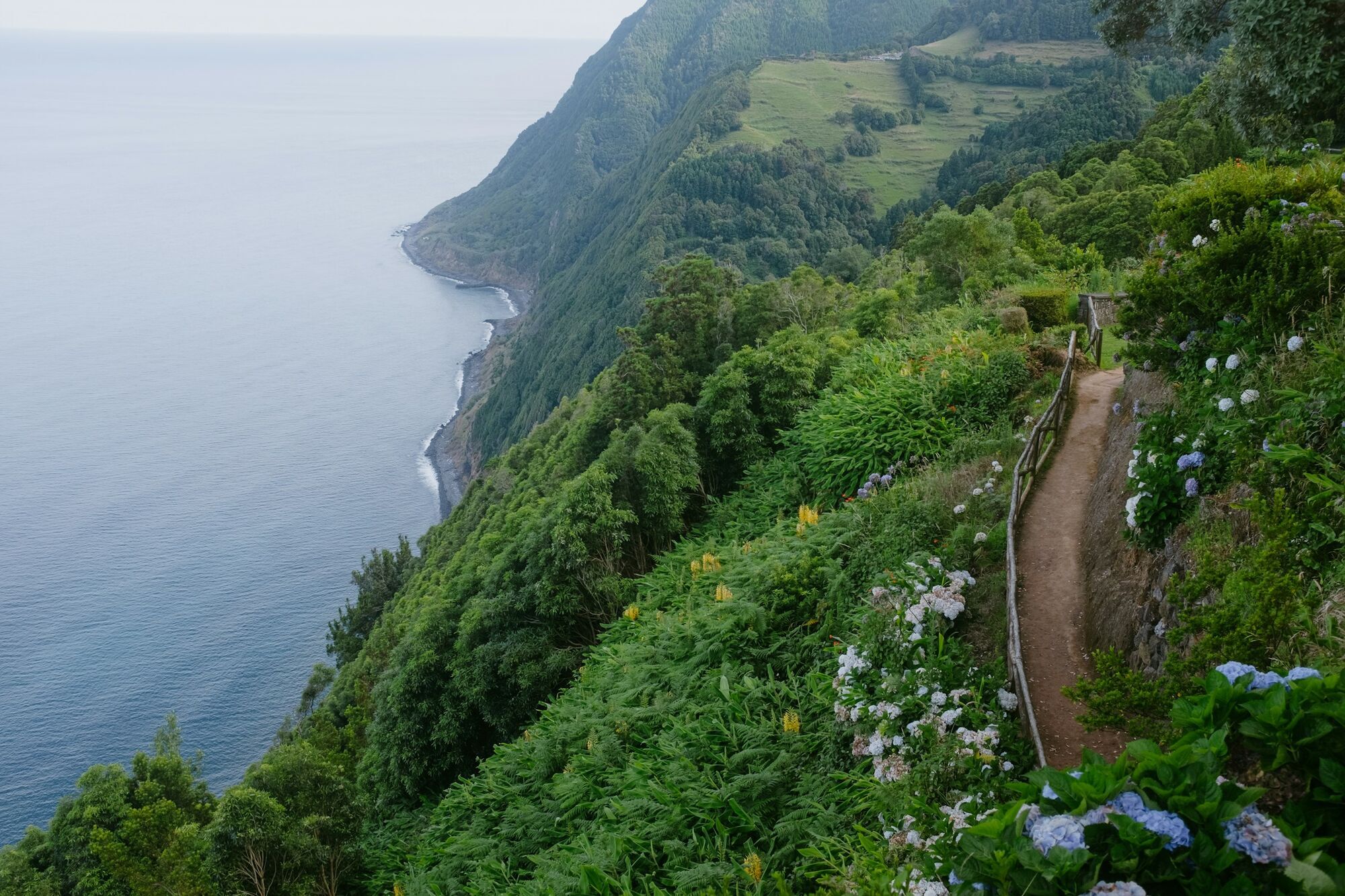
Travel habits are gradually changing. Many people now prefer trips that include movement between several places instead of staying in one destination for the entire holiday. Nature, local culture and time outdoors are often part of that choice. Island-hopping allows travellers to move slowly along Europe’s coastlines, discovering different islands along the way and treating the journey itself as an essential part of the trip rather than just transport between stops.