Flights Begin Returning as Middle East Airspace Disruptions Continue

Virgin Atlantic has restarted scheduled services between Dubai and London Heathrow as some flights gradually return across parts of the Middle East. On 4 March 2026, the airline operated its first departure from Dubai International Airport since regional airspace closures disrupted operations following the conflict involving the United States, Israel and Iran. The flight left at 11:50 am local time, shortly after its planned departure.
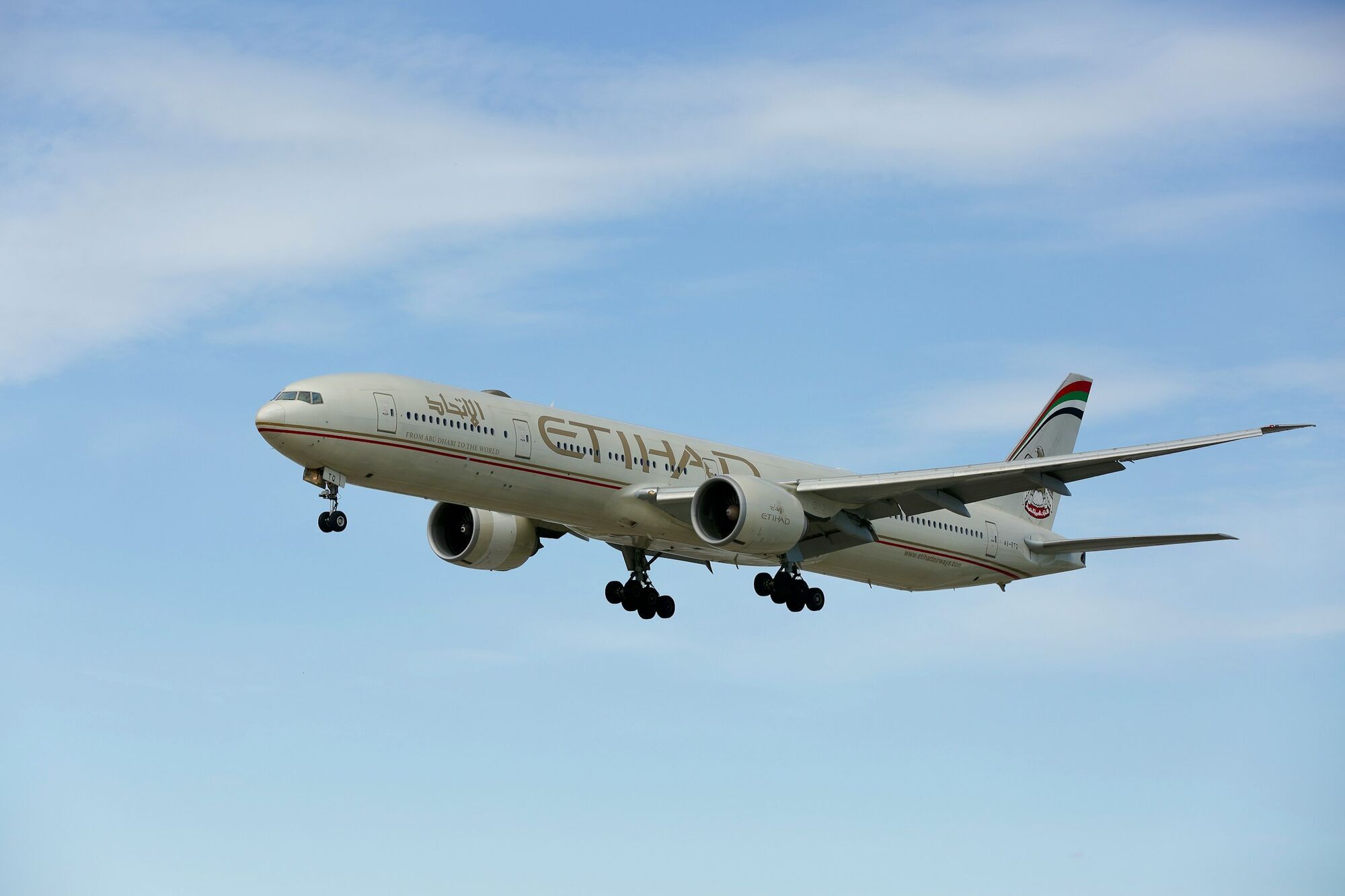
The airline also resumed flights from Riyadh, with its first service departing King Khalid International Airport early on Wednesday morning. Several other carriers remain cautious and are operating only limited services while airspace restrictions continue across parts of the region. Emirates has suspended scheduled flights until late on 7 March, while Etihad Airways extended its suspension until 6 March as airlines review safety conditions.
Airlines adjusting operations across the region
Several airlines have changed their schedules while restrictions remain in place:
- Qatar Airways has extended its suspension until 6 March
- flydubai has restarted a limited number of flights
- British Airways organised a Muscat–London service on 5 March
- Air Arabia suspended UAE flights until 4 March
- Oman Air cancellations remain in place until 6 March
Even with some services returning, disruptions remain significant. Flightradar24 reported more than 12,300 cancellations across major Middle Eastern airports between 28 February and 3 March, including Dubai, Doha, Abu Dhabi, Kuwait City, Bahrain and Sharjah. Around 20,200 passengers in the UAE have been affected by cancellations or rescheduled flights, while thousands of transit travellers remain stranded in regional hubs.
Large airports such as Dubai International, Abu Dhabi’s Zayed International Airport and Doha’s Hamad International Airport are central connection points linking Europe, Africa and Asia. Disruptions at these hubs affect passengers far beyond the Middle East, including those travelling on connecting itineraries. As flights slowly return, travellers may regain access to long-haul routes and connections that normally pass through Gulf airports.
Air travel across the region is still uneven after several days of disruption at key hubs. Some flights have restarted, but many routes are not yet operating as usual and airlines are continuing to adjust their timetables. Travellers planning to pass through Middle Eastern airports in the coming weeks should check their airline’s latest information before departure and stay alert to possible changes.