EU Border Control Goes Digital With New Entry/Exit System
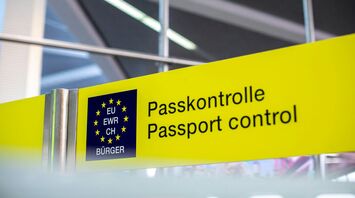
The European Union is rolling out the Entry/Exit System (EES), which will replace passport stamping for non-EU nationals entering the Schengen Area. Instead of receiving a stamp, travellers will have their entry and exit recorded electronically. The system introduces a shared digital record used at Schengen borders and aims to standardise procedures at airports and land crossings.
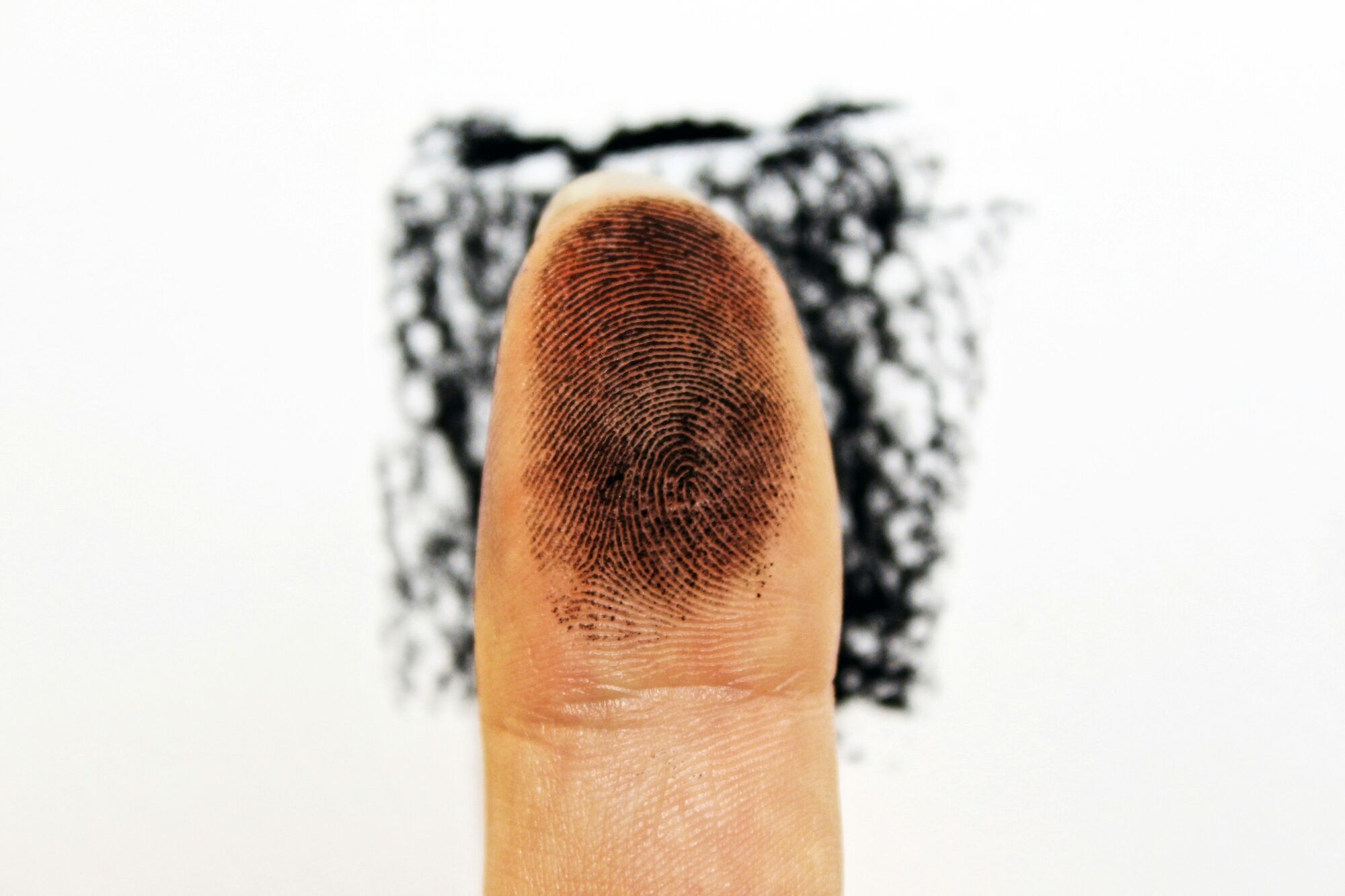
Under the new system, non-EU visitors must provide biometric data during border checks. This includes a facial image and fingerprints taken at the control point when entering the Schengen Area. The information is then stored securely in the system and linked to the traveller’s entry and exit records. Authorities say the change aligns border procedures across member states and introduces a standard digital record.
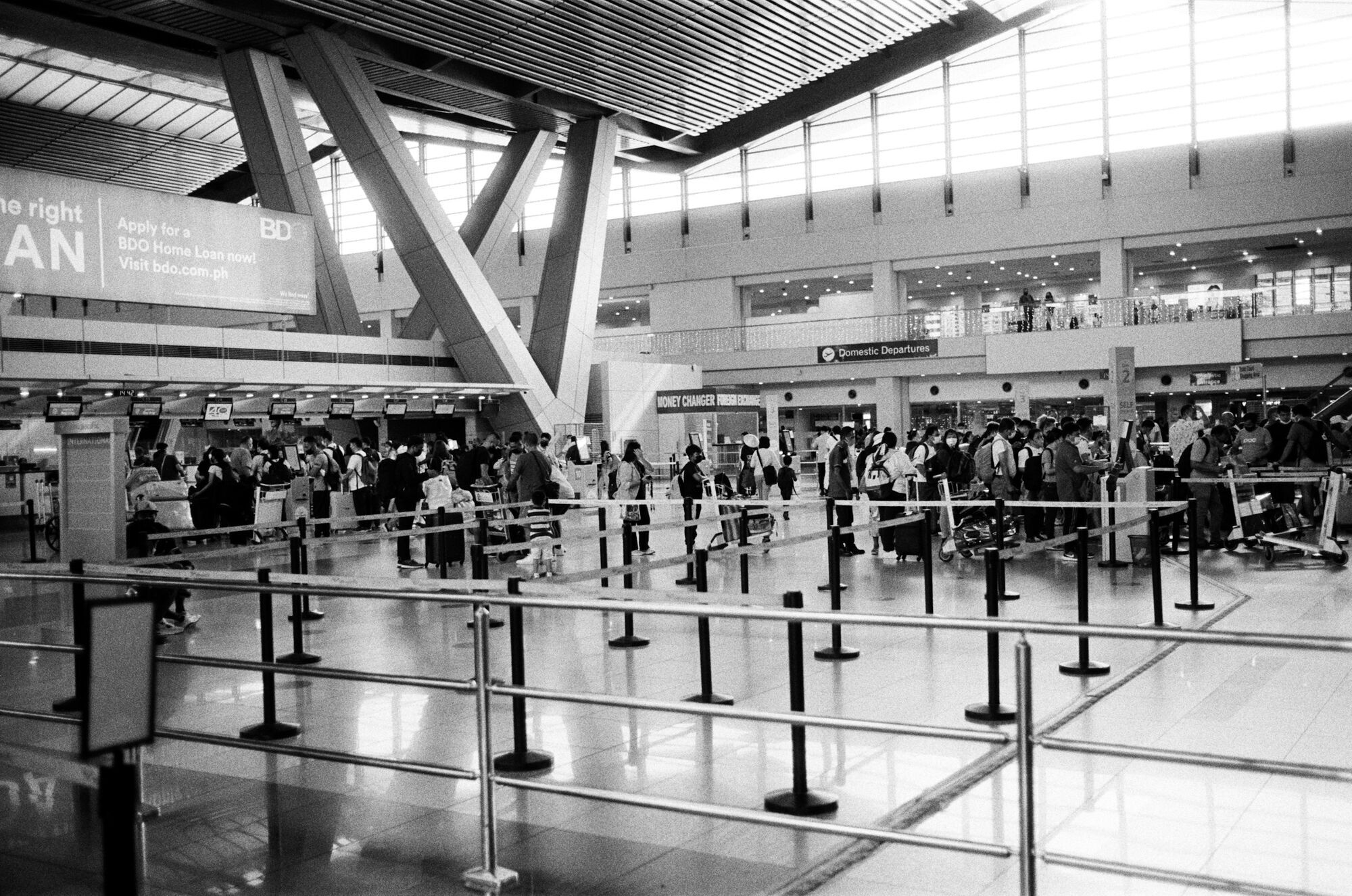
What changes at Schengen border checks
When arriving at a Schengen border, non-EU travellers will now complete a short biometric registration instead of receiving a passport stamp. The process includes:
- A facial photograph taken at the control desk
- Fingerprints scanned electronically
- Digital registration of entry and exit
Advance registration is not required. However, travellers may need to allow additional time for border control and airport transfers.
The change affects millions of visitors entering Europe each year through major airports and land crossings. Cities such as Paris, Rome, Barcelona, Amsterdam and Vienna remain among the most visited gateways into the Schengen Area. While the procedure itself changes, the destinations available across Europe stay the same, with travellers continuing their journeys through the continent’s rail, road and flight networks.
The new system marks a shift in how borders within the Schengen Area manage visitor records. Digital entry logs replace physical stamps, giving authorities clearer tracking of short-term stays. Travellers should expect a slightly different arrival experience at border control desks. Allowing extra time at airports and checkpoints may help avoid rushed connections while the system becomes part of routine travel across Europe.