Cutty Sark Station Reopens Early After Major Upgrade
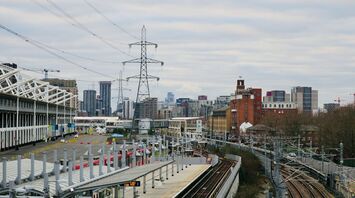
Cutty Sark station in Greenwich is set to reopen on 23 March after a 10-month closure, returning to service earlier than planned. The Docklands Light Railway stop, which handled around 7.6 million passengers a year, had been shut for major works. The reopening comes as a relief for both commuters and local businesses that have felt the impact of reduced footfall in the area.
The works focused on replacing ageing infrastructure that had been causing repeated disruptions. The station’s escalators, originally installed in 1999, had become unreliable and were frequently out of service. This forced many people to use the station’s 121 steps, leading to complaints and eventually a petition signed by more than 3,500 people calling for a full replacement.
“Fixing the escalators at Cutty Sark DLR has been a long-running issue, so I am glad their repair is nearly complete, and the station is due to reopen ahead of schedule."
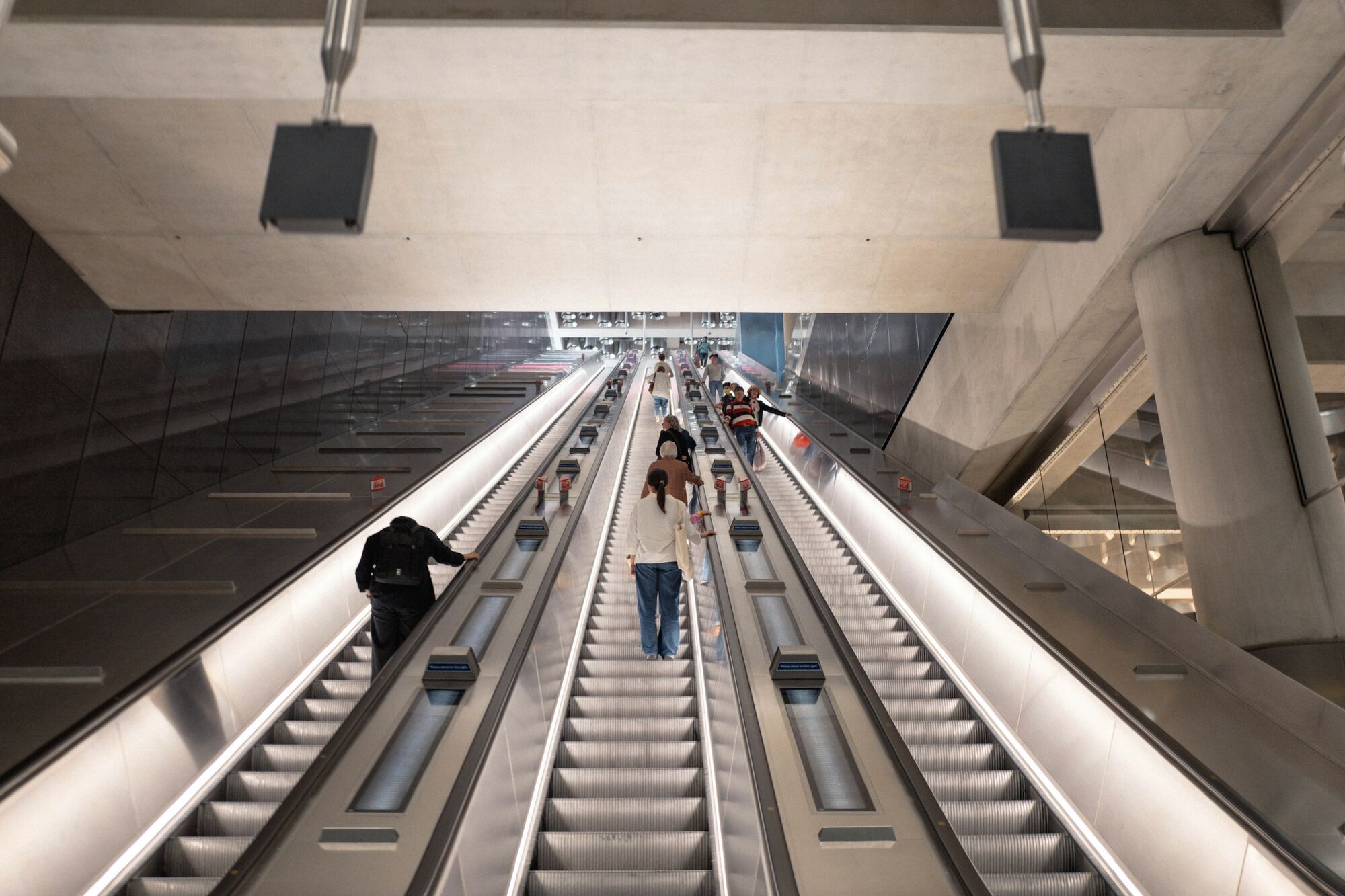
Four new escalators have now been installed as part of what has been described as the most complex escalator replacement project carried out on the DLR and London Underground. The upgrade also includes a new lift, improved lighting, updated safety features, local artwork and a higher ceiling. The new equipment is expected to remain in service for the next 30 to 40 years.
What’s changed at Cutty Sark station
- Four new escalators replacing the 1999 system
- New lift improving step-free access
- Energy-efficient lighting and upgraded safety features
- Interior updates including artwork and raised ceiling
The return of the station restores a key access point to Greenwich, an area known for its riverside setting, markets and historic sites. Easier access is likely to support visits to places such as the Cutty Sark ship, the Royal Observatory and Greenwich Park, while also helping local shops and cafés recover after months of reduced visitor numbers.
The early reopening shows how quickly things can shift when long-standing issues are finally addressed. For anyone travelling through south-east London, it removes a daily hassle and brings back a direct link that had been missed. It also highlights how much a single station can affect an entire neighbourhood when it stops working properly.