Why Airport Luggage Wrapping Still Has Fans

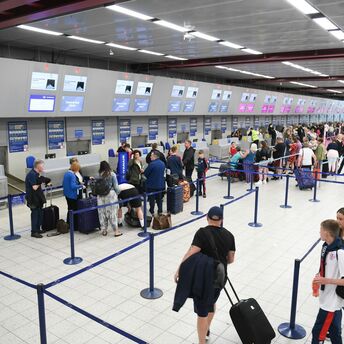
Shrink-wrapping luggage remains a familiar sight at many airports, especially in South Africa, Latin America and parts of Europe. Passengers pay to cover suitcases in layers of plastic before check-in, hoping to protect them during the journey. The service divides opinion: some see it as unnecessary plastic waste, while others treat it as one more barrier between their belongings and airport mishaps.
The practical benefits are limited but not imaginary. Luggage experts say wrapping can help protect bags from moisture, dirt and minor abrasion, particularly when suitcases sit outside during bad weather. It will not stop serious impact damage, and fabric or fitted luggage covers may work better for travellers mainly worried about scratches, scuffs or wear on the suitcase itself.
“In places like South Africa or Latin America, your chances of tampered-with luggage rise significantly."
Shrink-wrap is also used as a theft deterrent. It will not stop someone determined, but it can make quick tampering harder than opening a simple zip or lock. The TSA says wrapped bags are not more likely to be selected for extra screening, though if officers open one, disposable plastic is usually not replaced unless the airport wrapping service offers rewrapping.
The service may be more useful on trips where luggage feels exposed: long-haul flights, busy transfer airports, wet climates, or routes where travellers worry about bag tampering. It can also help people carrying light-coloured suitcases, soft-sided bags or items that would be difficult to clean. For others, a luggage tracker, solid lock, travel insurance or washable cover may be enough.
The bigger reason wrapping survives is psychological. Once a suitcase disappears behind the check-in belt, passengers lose sight of it and hope the system works. A sealed layer of plastic gives a visible sense of control, even when the actual risk is small. The trade-off is clear: a little reassurance at the airport, but more single-use plastic at the other end.