Starlink Wi-Fi Rollout Expands Across Virgin Atlantic Fleet
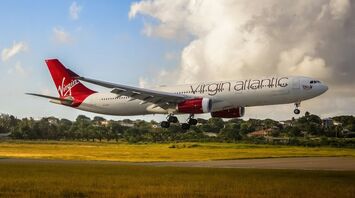
Virgin Atlantic will start fitting Starlink internet on its Airbus A350 aircraft in May 2026, with installation moving faster across the fleet. The airline expects all A350 aircraft to be equipped by early summer, with the first connected flight scheduled between London Heathrow and New York JFK. The programme forms part of a wider plan to introduce free onboard connectivity across long-haul services.
Installation will later extend to Boeing 787 aircraft during the second half of 2026, allowing internet coverage to reach around two-thirds of the airline’s fleet by the end of the year. The Airbus A330neo fleet is expected to follow, with completion planned in 2027. Virgin Atlantic first announced its intention to introduce free fleet-wide satellite connectivity in 2025.
Where Starlink Wi-Fi Will Appear First
- Airbus A350 aircraft from May 2026
- Boeing 787 aircraft in late 2026
- Airbus A330neo aircraft by 2027
“We were the first UK airline to announce free, fleet-wide Starlink Wi-Fi, and from May, we’re starting to deliver it for our customers. As the rollout gathers pace, we plan to deliver 100% Starlink connectivity across our fleet in 2027, as part of our focus on creating a brilliantly connected experience."
The satellite connection offers fast internet with very little delay, allowing passengers to use their own devices during the flight. It works on phones, laptops and tablets, so people can watch content, send messages or browse online as they normally would. Virgin Atlantic plans to introduce the connection free of charge for Flying Club members as more aircraft are equipped with the system.
Routes between the United Kingdom and long-haul destinations such as New York are likely to be among the first where the updated connection becomes available. Stable internet during transatlantic flights allows time onboard to be used for work, communication or planning the next part of the trip. Passengers can also look over reservations, confirm hotel information or arrange a transfer before arrival.

More aircraft equipped with onboard internet shows how digital access is becoming a normal part of long-distance travel. Continuous connection during the journey can reduce the need to wait until arrival to send messages or check important details. Airlines are gradually adapting onboard services as many people now expect to stay online throughout long-haul flights.