Gdańsk Gets Its Iceland Link

Icelandair will start flying between Gdańsk and Keflavík on 18 September 2026, giving the Polish airport its first direct service with the Icelandic carrier. The route will operate three times a week at launch, on Mondays, Thursdays and Fridays. A fourth Saturday flight is due to be added on 25 October, with the schedule running through late March 2027 onwards.
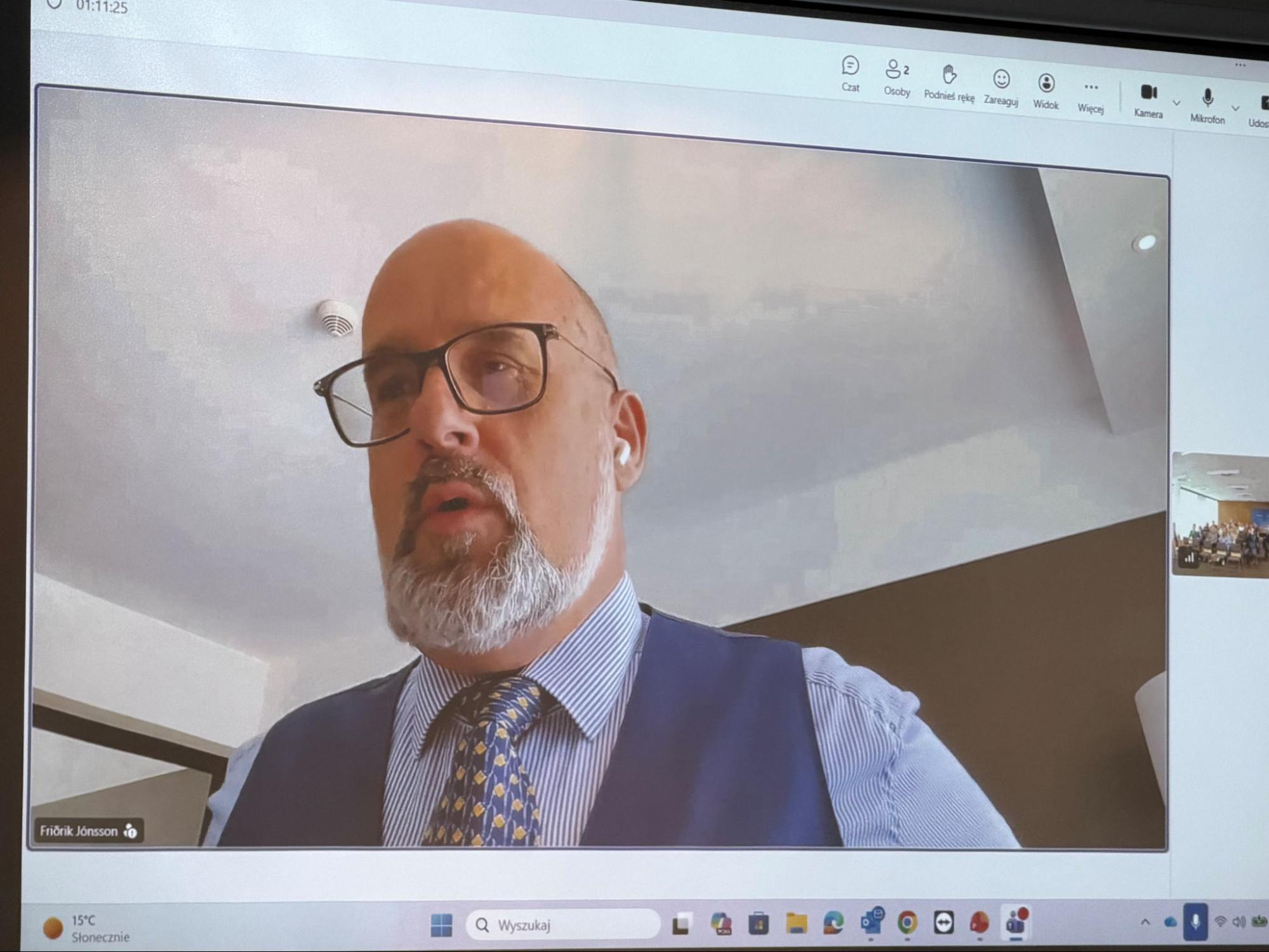
Gdańsk will become the first airport in Poland served by Icelandair, adding a new airline name to its international network. The carrier presented the route at an event with Gdańsk Airport, travel companies, media and regional business organisations. Iceland’s ambassador to Poland, Friðrik Jónsson, also joined remotely, noting the importance of the new air link for stronger ties between Poland and Iceland.
Flight schedule
Flights will initially operate three times a week, with a fourth weekly service added from 25 October 2026:
- Mondays, Thursdays and Fridays at launch
- Saturdays added from 25 October 2026
- Keflavík departure: 07:20; Gdańsk arrival: 11:55
- Gdańsk departure: 12:50; Keflavík arrival: 15:50
Icelandair says passengers connecting through Keflavík can continue to major cities in the United States and Canada, including New York, Washington, Chicago, Miami, Toronto and Vancouver.
The route opens a simpler path to Iceland for travellers in northern Poland, including Reykjavík trips, nature breaks and longer holidays around the island. Keflavík connections can also put North American cities such as New York, Washington, Chicago, Miami, Toronto and Vancouver within one-stop reach, without starting the journey at larger Polish or German airports nearby during peak travel periods.
The move strengthens Keflavík’s role as a mid-Atlantic transfer point between Europe and North America. Gdańsk gains a long-awaited airline link beyond the usual European pattern, while local travellers get more choice for both leisure and family visits. The practical gain is clear: Iceland becomes easier to reach, and transatlantic itineraries can start closer to home more often than before.