More Places to Stay: Kinshasa Expands Its Hotel Network

Protea Hotel by Marriott Kinshasa and Four Points by Sheraton Kinshasa are two new hotels that Marriott International has opened in the Democratic Republic of the Congo. The move means that the company is entering a market where cities are growing steadily and people are moving around more. Both hotels are in areas of the capital that are important for business and government. Their opening increases the number of places to stay in a city that is changing its population, building new infrastructure, and seeing more people traveling to and from the area.
The two properties introduce accommodation formats targeted at different visitor groups, including business travelers, public officials and tourists. Protea Hotel is positioned near the Congo River in a less densely built area, while Four Points is located within the central business district. Their openings coincide with Kinshasa’s expanding economic activity, which continues to generate demand for lodging across several neighborhoods. These openings fit into a wider shift seen across several African capitals, where rising urban populations and expanding business activity are steadily changing what visitors need from local accommodation.
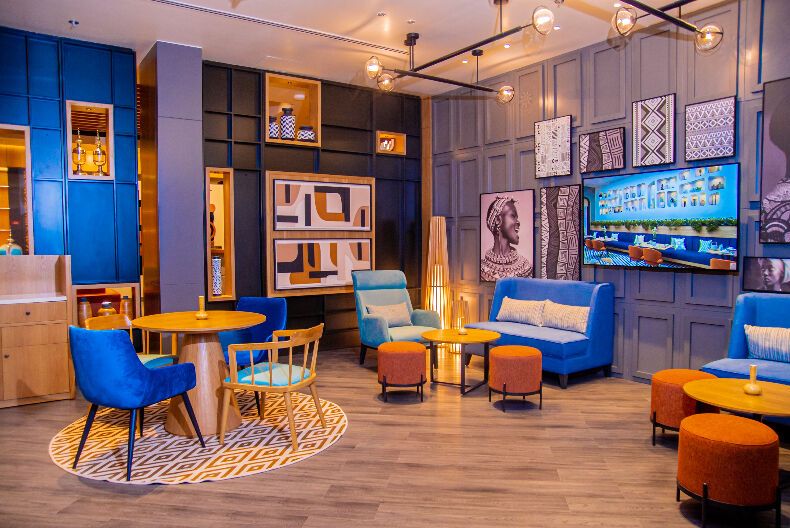
Protea Hotel by Marriott Kinshasa is located near the Gombe district, known for its administrative offices, cultural institutions, and access to the riverfront. People who stay in this part of the city often spend time wandering through small galleries, open squares and recently opened creative spots that show how Kinshasa’s cultural scene continues to shift and develop. The way the district is arranged makes it simple for visitors to move between nearby spots on foot, which adds to its convenience for short, everyday walks. Visitors can also observe the daily life of the area, where administrative functions are combined with an increasing cultural and commercial presence.
Four Points by Sheraton Kinshasa stands in a busy commercial section of the capital, where office buildings, diplomatic institutions and key transport routes are concentrated. There are several markets in the area, such as Marché de la Liberté, where visitors can observe local trading practices, food distribution, and aspects of everyday city life. Because of its placement near major roads, guests can reach other parts of Kinshasa relatively quickly. Such accessibility is useful for travelers who follow tight schedules or need to move between several locations during short visits.
These openings indicate that investment in Kinshasa’s hotel sector continues even as the city undergoes swift urban expansion. The city still has structural problems, but having more places to stay might make it easier for visitors to understand the services that are available and plan their stays with more certainty. The development also suggests that Central Africa may become easier for travelers from other parts of Africa and the world to get to. As Kinshasa's infrastructure improves, it may become more interesting to people who are looking for new places to travel.