London Rail Routes Face Three-Week Summer Shutdown
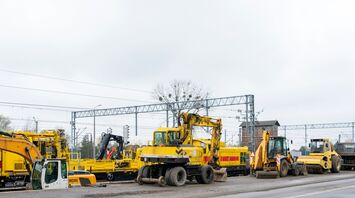
Two central London railway stations will close for more than three weeks this summer as part of major infrastructure works affecting thousands of daily commuters. Southeastern Railway confirmed that Charing Cross and Waterloo East stations will shut between 26 July and 16 August while engineers replace ageing track and carry out bridge and drainage repairs along one of the capital’s busiest rail corridors.
The £20 million project includes removing and renewing nearly 1,800 metres of track between Waterloo East and Charing Cross. The existing infrastructure, last replaced over 35 years ago, has been linked to repeated technical faults and service disruption. Rail officials say the work is intended to address long-standing reliability problems that have caused delays and overcrowding during peak travel periods.
“We know closing Charing Cross and Waterloo East for 22 days is a significant change and we’re sorry for the disruption it will cause."
Services affected during the closure
- Charing Cross and Waterloo East stations closed
- Southeastern trains diverted to Victoria, Cannon Street and Blackfriars
- Some services terminating at London Bridge
- Tickets accepted on Underground, buses and alternative rail routes
Journeys into central London will continue but with revised routes and longer travel times expected throughout the closure period.
Despite disruption, rail links across London remain operational, allowing continued access to key areas including the West End, South Bank and major interchange stations. Visitors arriving during summer events or holiday travel periods will still reach museums, theatres and riverside districts, although journeys may require additional transfers or earlier departures during busy morning and evening hours.
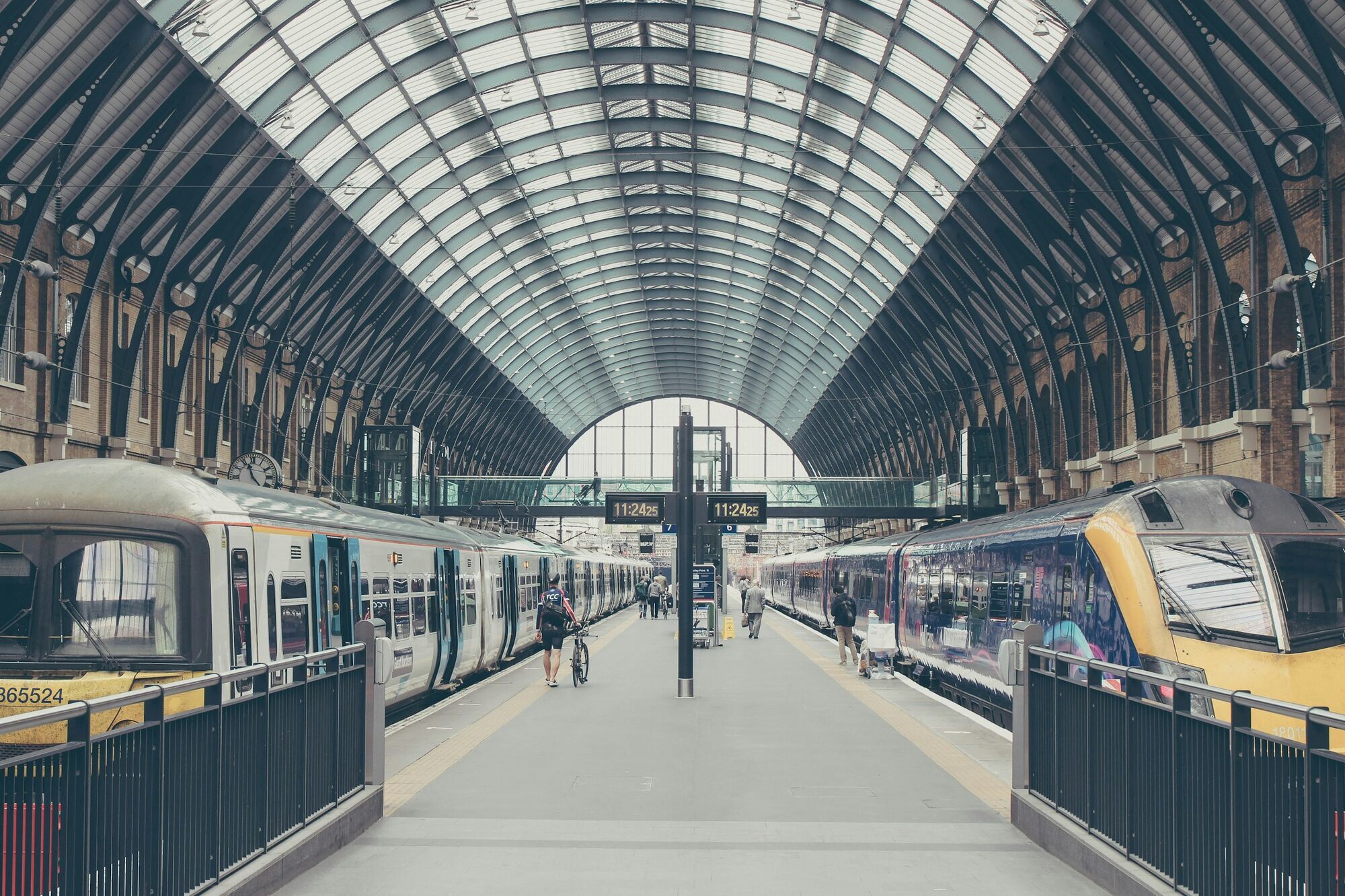
The temporary closure shows that busy railway lines sometimes need a longer shutdown instead of frequent short repairs that keep disrupting services. Carrying out the work during a single summer period is intended to prevent repeated weekend and bank holiday closures later on. After completion, fewer technical problems are expected on routes into central London, helping reduce delays and bringing more consistent day-to-day train services.