In-Flight Calls Move Closer as Airlines Expand Starlink WiFi
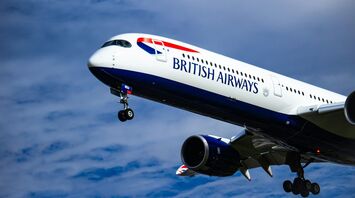
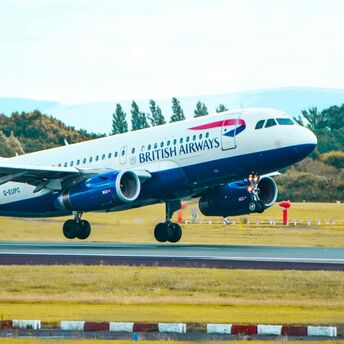
British Airways has begun introducing high-speed Starlink internet on its aircraft, opening the possibility for passengers to make voice and video calls during flights. The airline’s Houston-bound Boeing 787-8 became the first British aircraft equipped with the system in March 2026. The connection supports streaming, messaging, browsing and video communication, reflecting a wider shift as airlines invest in stronger onboard connectivity.
The satellite-based service, developed by SpaceX’s Starlink network, can reach speeds exceeding 500 Mbps. British Airways plans to install the technology across more than 300 aircraft over the next two years, with access expected to be free for passengers in all cabin classes. The airline has advised customers to use headphones and keep conversations quiet to maintain a comfortable cabin environment.
Airlines introducing Starlink onboard
- airBaltic launched the service in Europe in February 2025
- Air France began installations on part of its fleet in 2025
- SAS also introduced Starlink connectivity in 2025
- British Airways is now expanding coverage across its aircraft
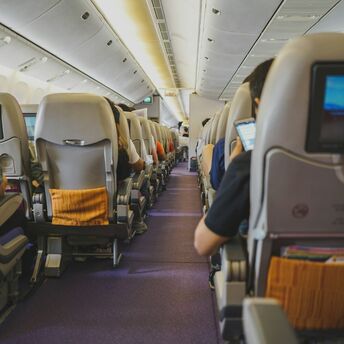
Debate continues over whether voice calls should become common during flights. Some travellers welcome the option to stay in contact during long journeys, while others express concern about increased cabin noise. Travel commentators have suggested that quiet zones similar to those on trains could appear if onboard calls become more frequent.
Improved onboard internet allows passengers to handle practical tasks during the flight, such as confirming accommodation, arranging transfers or updating arrival details. Stable connection on long-haul routes also makes it possible to organise travel plans before landing, reducing the need to complete arrangements after arrival.
"This milestone is part of a wider investment in elevating every aspect of our customer journey as we continue to modernise our airline."
The development shows how onboard technology continues to change expectations of air travel. Access to stable internet during flights may support more flexible planning, especially on intercontinental routes where travel time is longer. At the same time, the possibility of voice calls shows that airlines need to consider both internet access and a quiet cabin environment.