Gdansk Adds Charter Flights to Madagascar in Spring 2026

Charter flights between Gdansk and Nosy Be in Madagascar will begin on 26 April 2026, introducing one of the most distant holiday routes currently available from northern Poland. The service will be operated by Italian airline Neos in cooperation with tour operator Itaka. Nosy Be lies off the north-west coast of Madagascar and is known for its beaches, warm climate and distinctive natural environment.
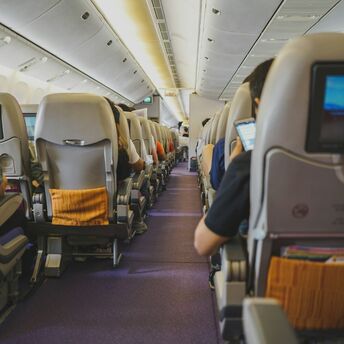
The route will be served by a Boeing 787-9 Dreamliner configured to carry up to 355 passengers. Five departures are planned during the spring season, with flights scheduled on 26 April and 3, 10, 17 and 24 May. The Dreamliner is capable of travelling more than 14,000 kilometres, allowing nonstop journeys between Gdansk and the Indian Ocean island without intermediate stops.
The introduction of such a large aircraft requires additional operational preparation at Gdansk Airport, including expanded fire safety coverage during take-off and landing. The Boeing 787-9 is one of the larger aircraft in regular charter use in Europe and can carry more than 100 tonnes of fuel. The airport has previously handled Dreamliner aircraft, including a visit in April 2024 operated on behalf of Spanish authorities.
Nosy Be is often referred to as the "island of scents" due to plantations of ylang-ylang, vanilla and coffee. Travellers visiting Madagascar can explore beaches with light sand and clear water, observe lemurs in protected natural areas and see the well-known Avenue of the Baobabs. The island lies near the African continent and forms part of the world’s fourth-largest island, recognised for wildlife found nowhere else.

The seasonal flights create an additional long-haul holiday option from northern Poland, reducing the need to connect through larger European hubs. Direct charter routes can shorten travel time on journeys to remote destinations and may broaden the range of departure points available to travellers. Interest in less typical holiday locations continues to grow, particularly where direct flights reduce the complexity of reaching distant regions.