India’s Travel Map Is Expanding as New Resorts Open Beyond Urban Centres
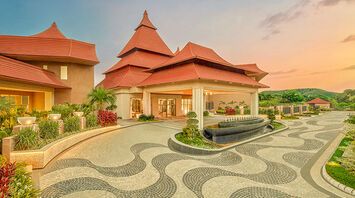
Marriott International has opened another hotel in India with the debut of The Westin Jaipur Kant Kalwar Resort & Spa, bringing its total number of properties in the country to 200. Situated close to Jaipur at the foothills of the Aravalli range, the resort reflects how international hotel groups are increasingly focusing on India. Its opening points to continued growth in leisure travel and a clear shift toward destinations outside the country’s largest cities.
Having 200 hotels in operation underlines how central India has become to Marriott International’s long-term plans. The milestone opening signals confidence in long-term travel demand, supported by a strong domestic tourism base and ongoing investment in infrastructure. Rather than focusing only on business hubs, recent growth increasingly targets leisure destinations, where travellers are looking for space, comfort, and experiences tied to location rather than city centres alone.
What travellers can expect from the new resort
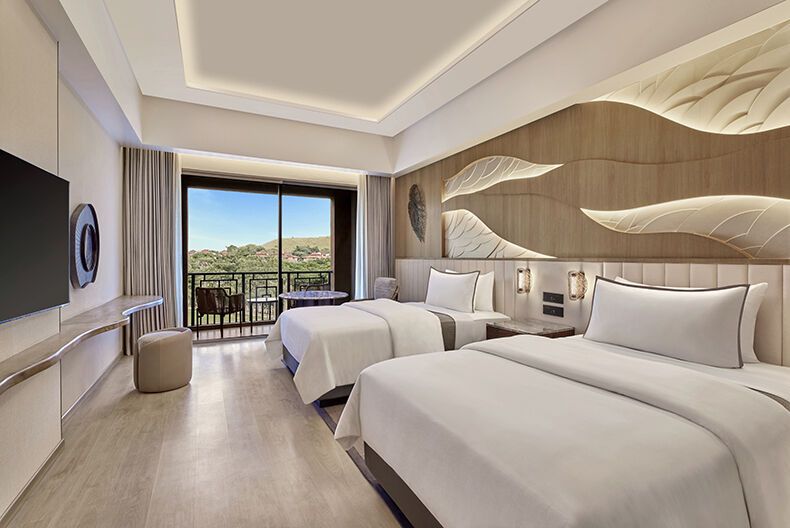
The new Westin resort is designed as a low-density retreat spread across nine acres, offering 135 rooms, suites, and private villas. Some of the villas feature private garden spaces and plunge pools, offering a level of privacy that is rarely found in standard city hotels. The guest experience is shaped around wellness, with features such as spa treatments, fitness areas, jogging paths, and outdoor sports courts designed for travellers who value rest and familiar routines during a trip.
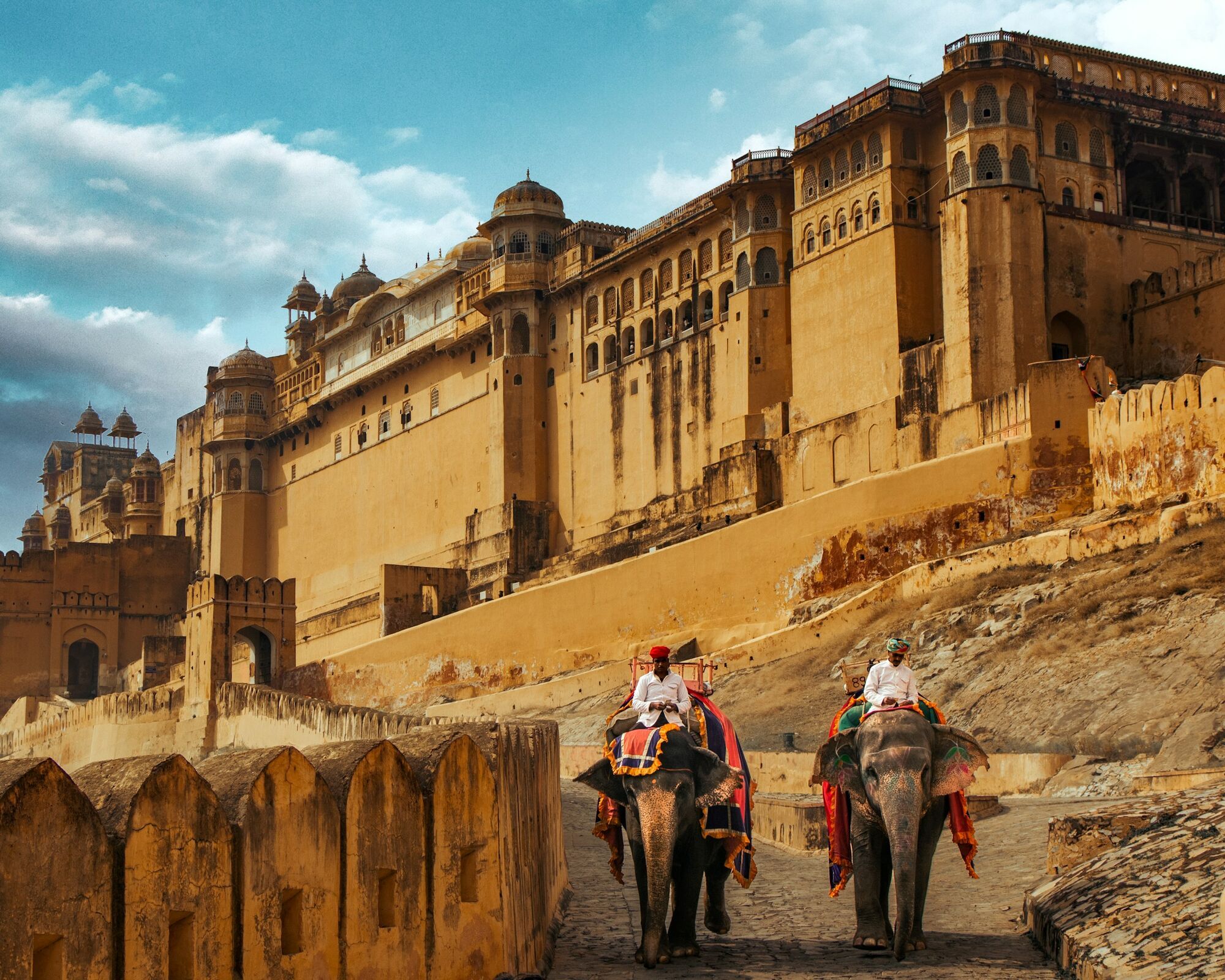
Staying at the resort also makes it easier to explore nearby attractions while avoiding the constant bustle of the city. From here, travellers can head out during the day to places such as Amer Fort and Nahargarh Fort and come back later to an area that feels noticeably calmer than the city itself. The setting near the Aravalli hills allows travellers to enjoy both cultural landmarks and natural surroundings without changing hotels or spending long hours in transit.
This opening signals broader change in how trips to India can be planned. More international brands are investing in resort-style properties that support slower travel, longer stays, and mixed itineraries. As options expand outside city centres, visitors gain greater choice in accommodation styles, making it easier to combine cultural exploration with downtime in a single trip rather than treating them as separate journeys.