Germany Braces for 48-Hour Transport Strike
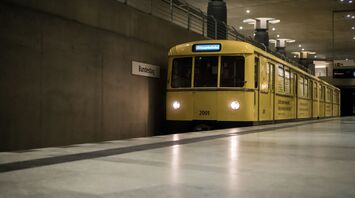
Public transport across Germany is set for widespread disruption as a 48-hour strike begins on Friday 27 February. The walkout, announced after pay and working condition talks stalled, is expected to affect millions. Travellers have been advised to prepare for significant delays and cancellations as unions and employers remain at odds over ongoing annual negotiations.
Local buses, trams and underground trains in cities including Berlin and Hamburg will be impacted. Services are due to stop early on Friday morning and may remain disrupted into Saturday 28 February in several regions. The action follows a similar nationwide stoppage earlier this month that brought many urban networks to a standstill.
"Employers still don't seem to understand that public transport services cannot continue to function in the long term if we don't make decisive improvements to working conditions now."
Services affected by the strike
- Local buses and trams in towns and cities
- U-Bahn underground systems
- Municipal transport operators across around 150 companies
S-Bahn, regional and long-distance Deutsche Bahn services, including ICE and IC trains, are expected to run. Air travel and road networks should operate normally, though knock-on effects cannot be ruled out.
The strike has been organised by the Verdi union, which represents around 100,000 employees in the sector. Union representatives say workers need higher pay and better conditions, warning that the current situation is placing growing strain on staff. Employers have so far not agreed to the main proposals, leading to the decision to proceed with a 48-hour strike.
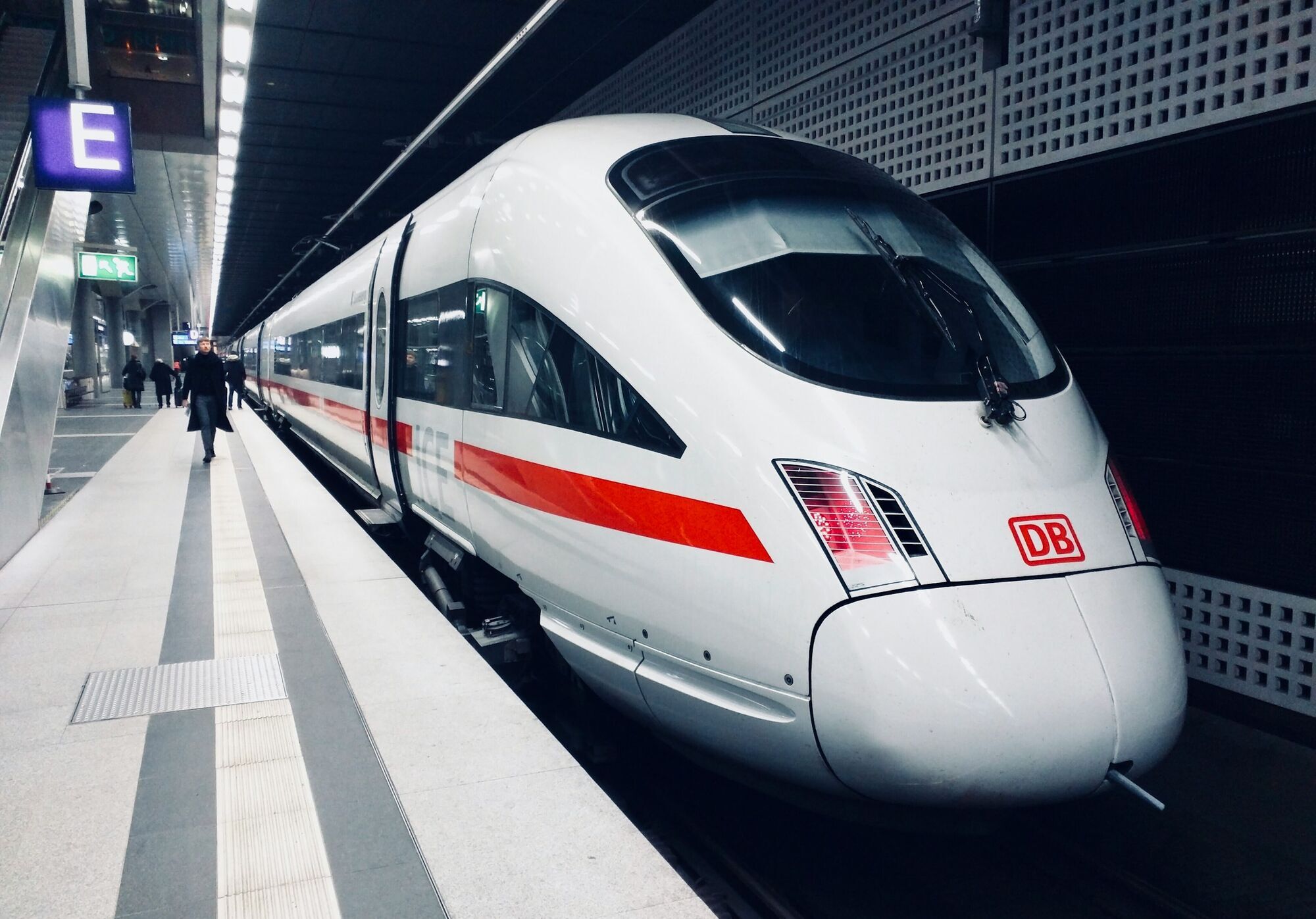
For those with plans in Germany this weekend, careful planning will be essential. Urban sightseeing, business meetings and onward connections may require alternative arrangements or extra time. While national rail and flights are scheduled to continue, reaching stations and airports could prove difficult in affected cities, reshaping how many approach short domestic journeys during the strike period.