French Hotel Guests Embrace AI, but Not at the Expense of Human Service
French hotel guests are open to artificial intelligence, but only when it is used carefully. This view comes from an Ipsos.Digital survey carried out for Mews among people who stayed in a hotel during the past year. The results show that 77 percent still prefer services handled by staff, while 74 percent support a mix of human service and self-service tools. Fully automated hotels often feel impersonal to guests, which explains why technology alone is not seen as enough.
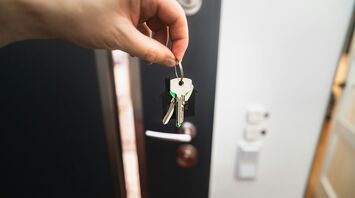
These views become easier to understand when looking at how travelers use technology during a stay. The survey shows that 52 percent prefer booking online, 31 percent like checking out on their own, and 26 percent want digital access to room keys. At the same time, only 12 percent think reception desks are no longer needed. Travelers clearly enjoy digital tools for simple steps, but still expect staff to be available when they arrive or need help.
“The study shows that the French want technology to simplify their stay, but not dehumanize it. Automation is welcome when it improves service quality, not when it replaces a staff member’s smile.”
What works when technology is used well
Used in the right way, wider use of AI could make hotel stays more comfortable. Quicker check-in processes, fewer delays at payment, and shorter lines could noticeably reduce stress for travelers, particularly when hotels are busiest. Automation can also take care of routine tasks, giving hotel staff more time to focus on guests. This matches the finding that many travelers are willing to pay extra for services like 24 hour human assistance or access to a concierge.
Where automation can fail travelers
However, the same technology can quickly become a problem if it fails. Faulty key cards affect 28 percent of guests, while 25 percent report waiting over 15 minutes to check in despite having a reservation. Billing errors and unmet booking promises add to frustration. When these issues happen, many travelers start to question whether they would return, showing how reliability is just as important as speed.
These findings point to what travelers value most. Speed matters, with 64 percent of travelers unwilling to wait more than five minutes to get their room key, yet 54 percent are willing to wait longer for careful service. For travelers, the message is simple: technology should make stays easier, but people should remain at the center of the hotel experience.