Cold Snap Brings Travel Risks Across Parts of the UK
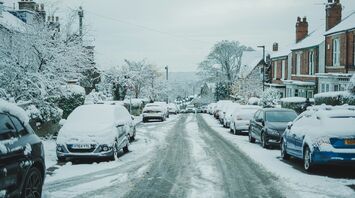
A band of colder, unsettled weather will pass over the United Kingdom from Monday afternoon into early Tuesday, with conditions that could slow journeys in a number of regions. Snow, sleet, and freezing temperatures will gradually spread southeast from Scotland, bringing a higher risk of icy roads and slower journeys. For travellers planning overnight trips or early departures, the timing of the cold snap means conditions may worsen just as visibility drops and surface temperatures fall.
Where Travel Disruptions Are Most Likely
The most affected areas include several regions where travel disruption may be more likely, especially during evening and overnight journeys:
- Scotland, including Highlands, Northern Isles, and northeast mainland
- Northern England and parts of Yorkshire and Humber
- Midlands and eastern regions
- Northern Ireland and parts of western Scotland
Snowfall will be heavier on higher ground, while icy surfaces may form widely once temperatures fall below freezing.
Changing road conditions later in the day may create the most noticeable impact on mobility. Snow accumulations are expected to build during Monday evening and overnight, particularly above 150 to 300 metres, which could complicate routes through elevated terrain and remote areas. Even in lower regions where snowfall remains light, falling temperatures may quickly freeze wet surfaces, creating black ice and making journeys less predictable. In exposed northern areas, strong northerly winds could lower visibility and make overnight journeys more challenging.
Where Winter Weather Starts Affecting Trips
Those relying on buses and trains should be aware that services could face delays once temperatures begin to fall in the evening. If the air cools rapidly after spells of rain or sleet, surfaces that have not been treated can quickly become slick, which may make walking near stations and transport hubs more difficult. In coastal and northern areas, stronger winds may slow services and add to delays, while unfamiliar winter conditions could make connections more challenging for visitors travelling through affected regions.
This weather system may affect travel plans more than a typical cold spell. The mix of evening snowfall, freezing overnight temperatures, and changing regional conditions could shift the best travel times, especially for early morning departures or long distance trips. The main message for travellers is to stay flexible and prepared, as journeys in affected areas may take longer and require closer attention to changing weather updates.