Shark Bite Numbers Rise in 2025, Remain Below Decade Average
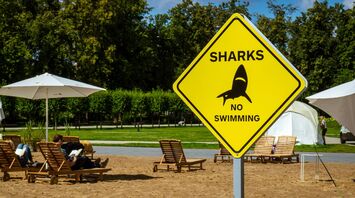
The latest International Shark Attack File (ISAF) report shows a rise in unprovoked shark bites in 2025 compared with a notably quiet 2024, though totals remain just under the ten-year average. The figures follow renewed attention after four attacks were recorded near Sydney within 48 hours in January 2026, including one fatal incident involving a 12-year-old boy.
ISAF, maintained by the Florida Museum of Natural History since 1958, is the only scientifically verified global database of shark attacks. It records incidents where a person did not initiate contact. Cases linked to activities such as spearfishing or attempting to handle sharks are excluded, allowing researchers to focus on natural behaviour patterns and long-term risk.
“We’re interested in the natural patterns of shark behavior so that we can understand why people occasionally get bitten by these animals. Any cue or attribute that modifies an animal’s natural behavior is something that, we as scientists, want to exclude."
In 2025, 65 unprovoked bites were documented worldwide, slightly below the decade average of 72. Nine were fatal, compared with a ten-year average of six. The United States accounted for 38 per cent of incidents and Australia 32 per cent. The Bahamas reported five cases and New Zealand three, with isolated events elsewhere, including Canada.
Where most incidents were recorded in 2025
- United States: 25 unprovoked bites
- Australia: 21 unprovoked bites
- Bahamas: 5 incidents
- New Zealand: 3 incidents
- Isolated cases in Mozambique, Samoa, Maldives and others
For beachgoers and surfers, the data show that incidents remain rare and often cluster in specific coastal stretches. Many popular surf spots in Australia and the United States are patrolled by trained lifeguards with established emergency procedures. Long-term averages for bites and fatalities have changed little over decades, suggesting that year-to-year fluctuations do not signal a broad shift in ocean safety.
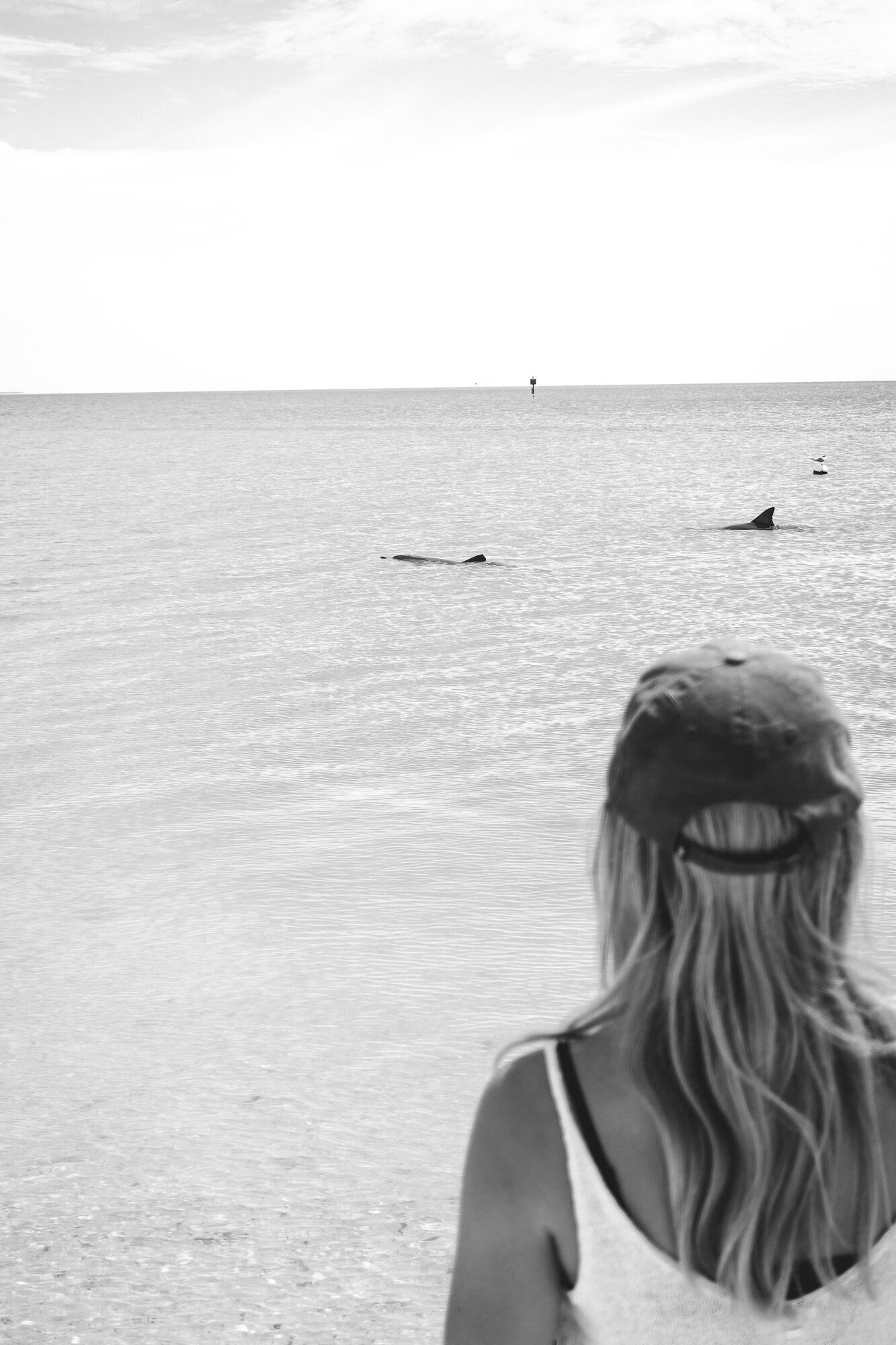
Shark populations are still under pressure, and scientists estimate that about 30 per cent of species are now classified as endangered, mainly because of overfishing and loss of habitat. In comparison, the chance of a shark bite remains very small. Anyone organising a surf trip or seaside break should check local conditions, follow regional guidance and treat marine wildlife with caution and respect.