How Not to Be "That Person" At the Airport
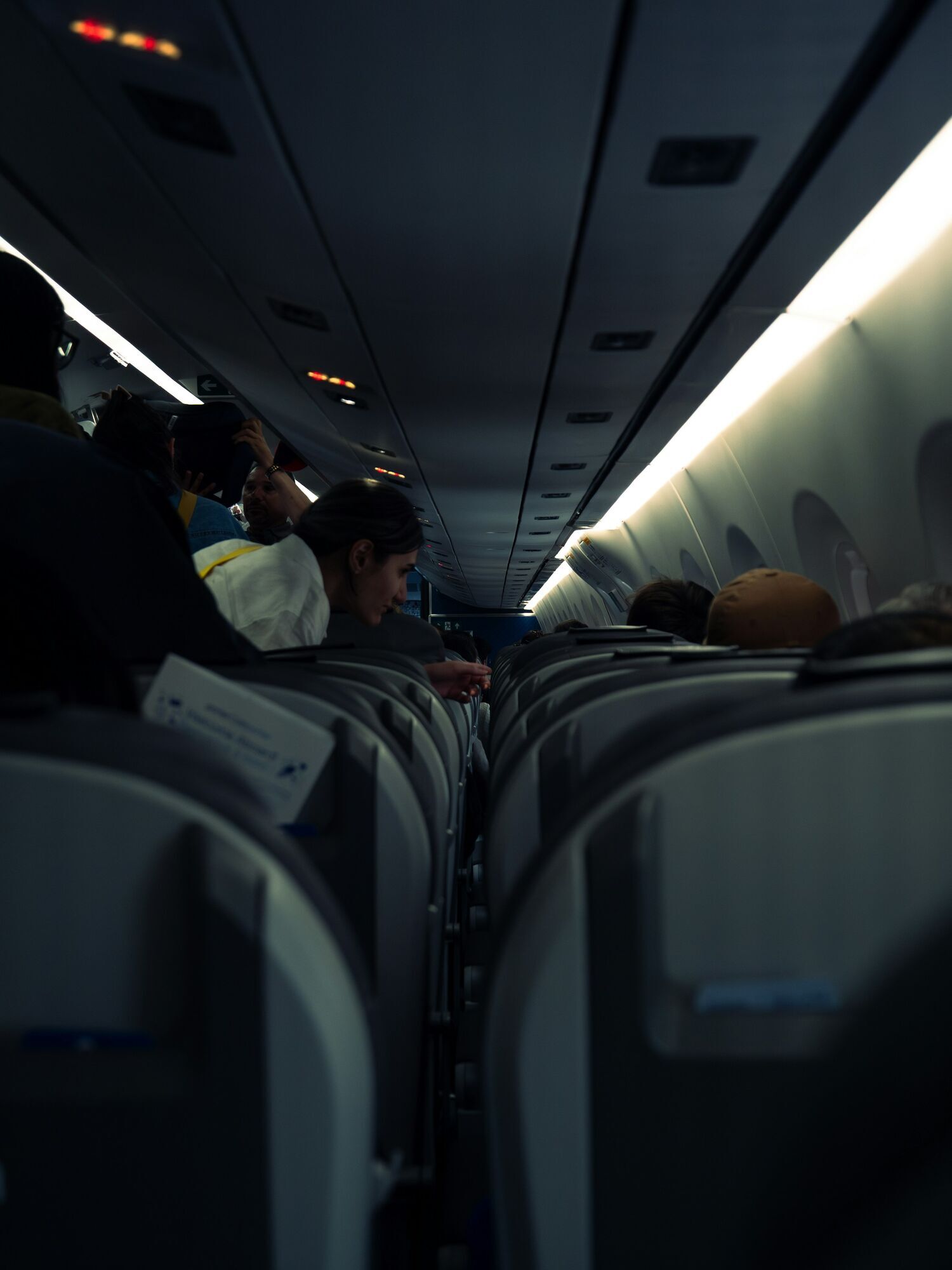
Complaints about irritating in-flight habits have been circulating for years, and they still feel familiar today. Not much has changed in the cabin, but attention is shifting to what happens before boarding. As terminals grow busier each year, behaviour in shared spaces often sets the tone for the journey well before take-off.
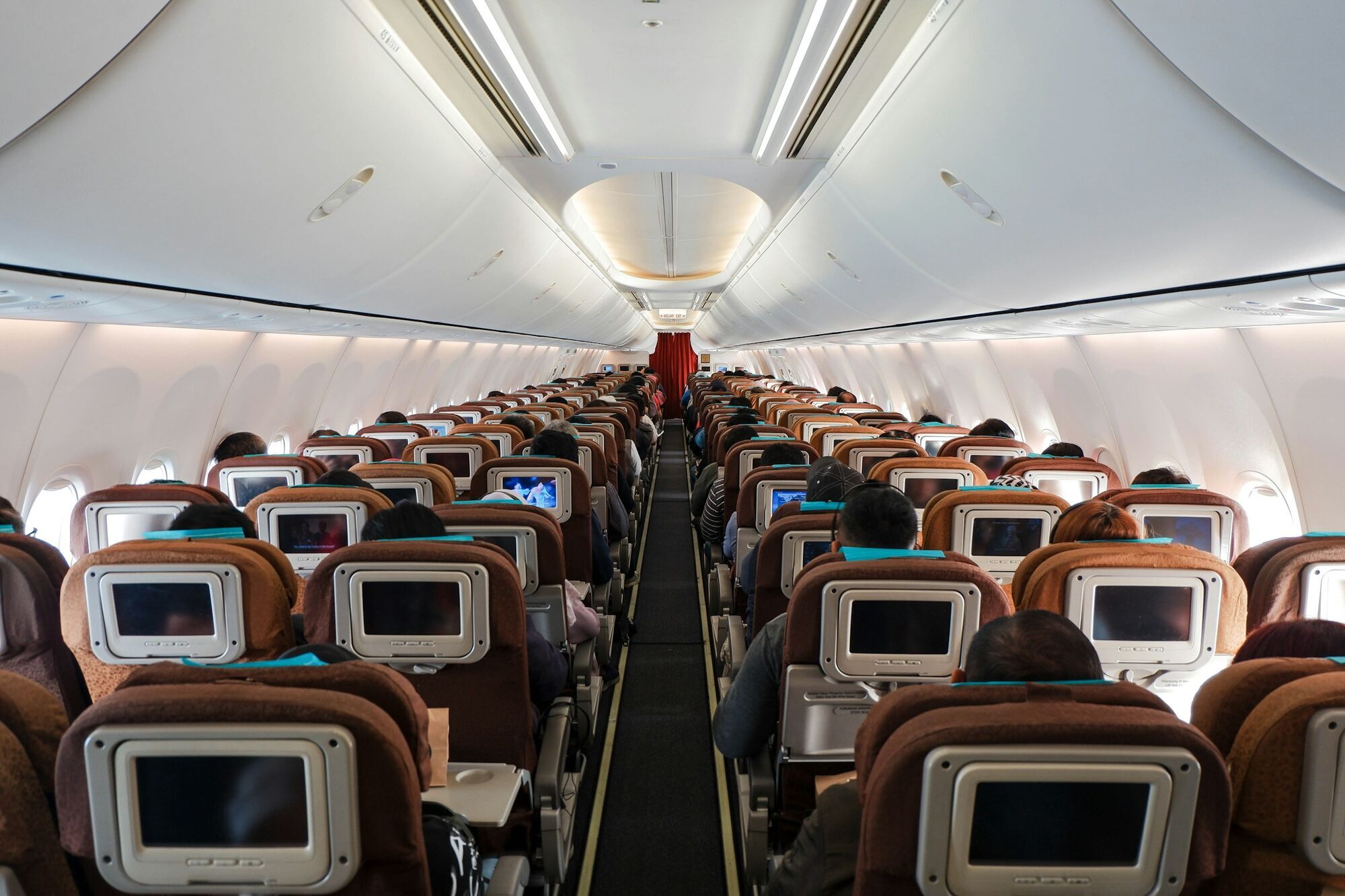
Airlines and airports both play a part in how a journey feels. Cramped cabins, limited overhead space and confusing boarding layouts can raise stress levels. Still, behaviour inside the terminal matters just as much. When someone stops suddenly, blocks a walkway or takes over several seats, it can quickly add to the tension in an already crowded space.
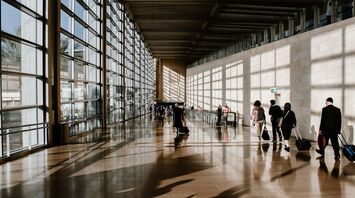
Instead of pointing only at airport design, the focus shifts to how people behave. Walking in a straight line and keeping right helps maintain flow through terminals and jet bridges. Bags should stay off spare seats and clear of aisles. Boarding lanes should remain open until groups are called, and phone calls are best taken while moving or away from seated areas.
Five simple airport habits
- Walk predictably and keep right
- Keep bags off empty seats
- Use headphones for all audio
- Wait away from the boarding lane
- Take phone calls while walking
These small adjustments can make a noticeable difference during peak travel periods, especially when terminals are operating at full capacity and space is limited.
For those heading off on city breaks, long-haul holidays or surf trips, smoother movement through security and boarding areas can mean more time to relax before departure. Busy hubs built decades ago struggle with modern passenger numbers, so thoughtful behaviour helps compensate for design limits and keeps queues and seating areas manageable.
Air travel will not become serene overnight, and infrastructure upgrades take time. Yet shared spaces function best when travellers treat them as such. Paying attention to how much room you occupy, how loudly you speak and where you choose to stop can ease pressure in crowded terminals. In a system already stretched, courtesy remains one of the few factors fully within each passenger’s control.