Virgin Trains Moves Closer to Europe Launch

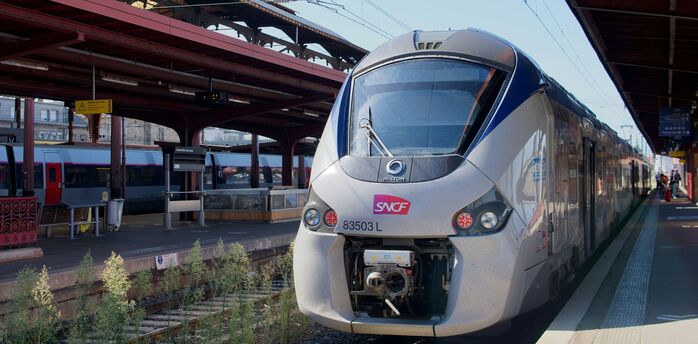
Virgin Trains has moved closer to launching cross-Channel services after the UK rail regulator pre-approved access to High Speed 1. The decision would allow the company to run trains from London St Pancras towards Paris, Brussels and Amsterdam from 2030, creating a potential rival to Eurostar. The approval covers the British high-speed line only, so several regulatory and infrastructure steps still remain.
Virgin’s Cross-Channel Plans So Far
- Operator: Virgin Trains
- London station: St Pancras International
- Planned destinations: Paris, Brussels and Amsterdam
- Target launch: From 1 October 2030
- Potential frequency: Up to 20 return services a day across the three routes
- HS1 access period: 1 October 2030–31 December 2040
- London depot: Temple Mills in east London
- Still required: Channel Tunnel access, European track agreements and safety approvals
- Planned investment: £700 million
- UK jobs expected: Around 400
The Office of Rail and Road approved the framework agreement on 13 August, and Virgin and London St Pancras Highspeed can now sign it by 4 September. The company had already secured access to the Temple Mills depot in east London, where international trains can be maintained and stored. Virgin must still obtain Channel Tunnel access, permissions on mainland European networks and the required safety approvals.
Paris, Brussels and Amsterdam would all gain another direct rail option from central London if the project reaches launch. The proposed network would put the French capital, Brussels’ historic centre and Amsterdam’s canals within the same cross-Channel network now dominated by Eurostar. Virgin has also said it wants to expand beyond these three cities once its first European services are established.
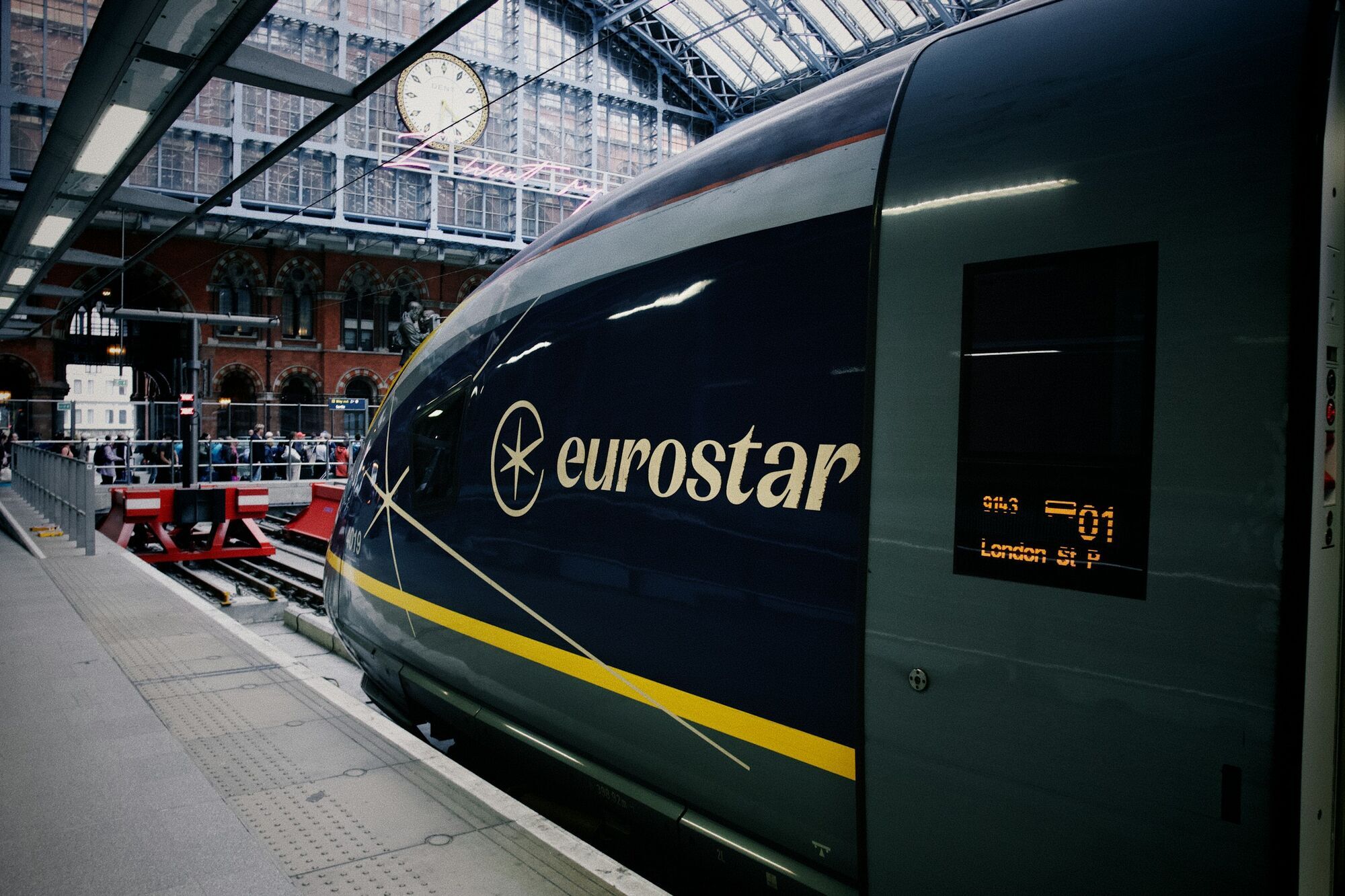
Nothing changes for London–Europe rail trips yet: Eurostar remains the only passenger operator through the Channel Tunnel, and Virgin still has several approvals to secure. But the HS1 decision removes one major obstacle. If the 2030 launch goes ahead, people booking Paris, Brussels or Amsterdam trips could have two operators to compare on fares and departure times instead of relying on a single service.