Air India to Drug-Test Every Pilot After Cannabis Case
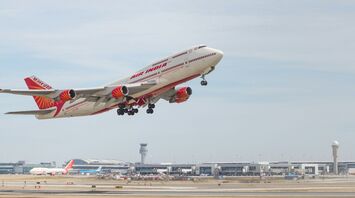
Air India is introducing mandatory substance screening for every pilot after a captain on a Phuket–Delhi flight tested positive for cannabis following a serious mid-air incident. The programme will also cover Air India Express and goes beyond India’s current requirement for airlines to randomly test at least 10% of flight crew each year. The airline says the wider checks are intended to strengthen safety oversight across its operations.
What Air India Is Changing
- Who will be tested: All Air India and Air India Express pilots
- Current requirement: At least 10% of flight crew tested randomly each year
- Testing locations: Training academy, briefing centres, offices and home-base locations
- Incident date: 4 August 2026
- Flight: AI2379, Phuket–Delhi
- Aircraft: Airbus A320neo
- Altitude loss: Around 300 feet during cruise

The policy follows the 4 August incident involving Air India flight AI2379, an Airbus A320neo travelling from Phuket to Delhi. The aircraft lost about 300 feet of altitude during cruise over Odisha before stabilising and landing safely in Delhi. Reuters reported that 13 passengers and four crew members were injured. A confirmatory laboratory test later found cannabis in the captain’s sample, according to a source familiar with the investigation.
Testing will be carried out alongside training at Air India’s Gurugram academy, after flights at briefing centres and offices, and at locations linked to pilots’ home bases. The screening covers psychoactive substances and medications prohibited under aviation rules. Air India has not published a timetable showing how often individual pilots will be tested, but the new programme is designed to reach the full pilot workforce rather than a random sample.
Nothing changes at check-in or boarding because of the new testing policy. The August incident is still under investigation, and a positive cannabis test does not by itself establish what caused the altitude loss. Investigators are separately examining the flight, including crew reports and aircraft data. Until that work is complete, the drug-test result and sudden descent should not be presented as a proven cause-and-effect finding.