Older Brits Face New EES Fingerprint Delays
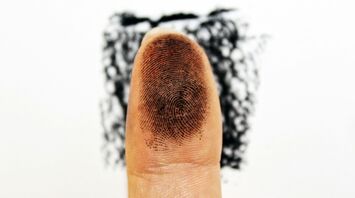
Some older British travellers are reporting longer border checks in Europe after the Entry/Exit System failed to capture their fingerprints. Problems have been reported at airports including Palma, Salzburg and Naples, where travellers were redirected to border staff after repeated unsuccessful scans. The EES has been fully operational across the Schengen area since 10 April 2026, replacing routine passport stamping with digital entry and exit records.
What UK Travellers Need to Know About EES
- Applies to: British and other non-EU nationals making short stays
- Where: 29 European countries using EES
- Fully operational since: 10 April 2026
- First registration: Passport details, facial image and fingerprints are recorded
- Later trips: Stored biometrics are checked again
- Children: Under-12s do not have fingerprints scanned
- Cost: Registration is free and completed at the border
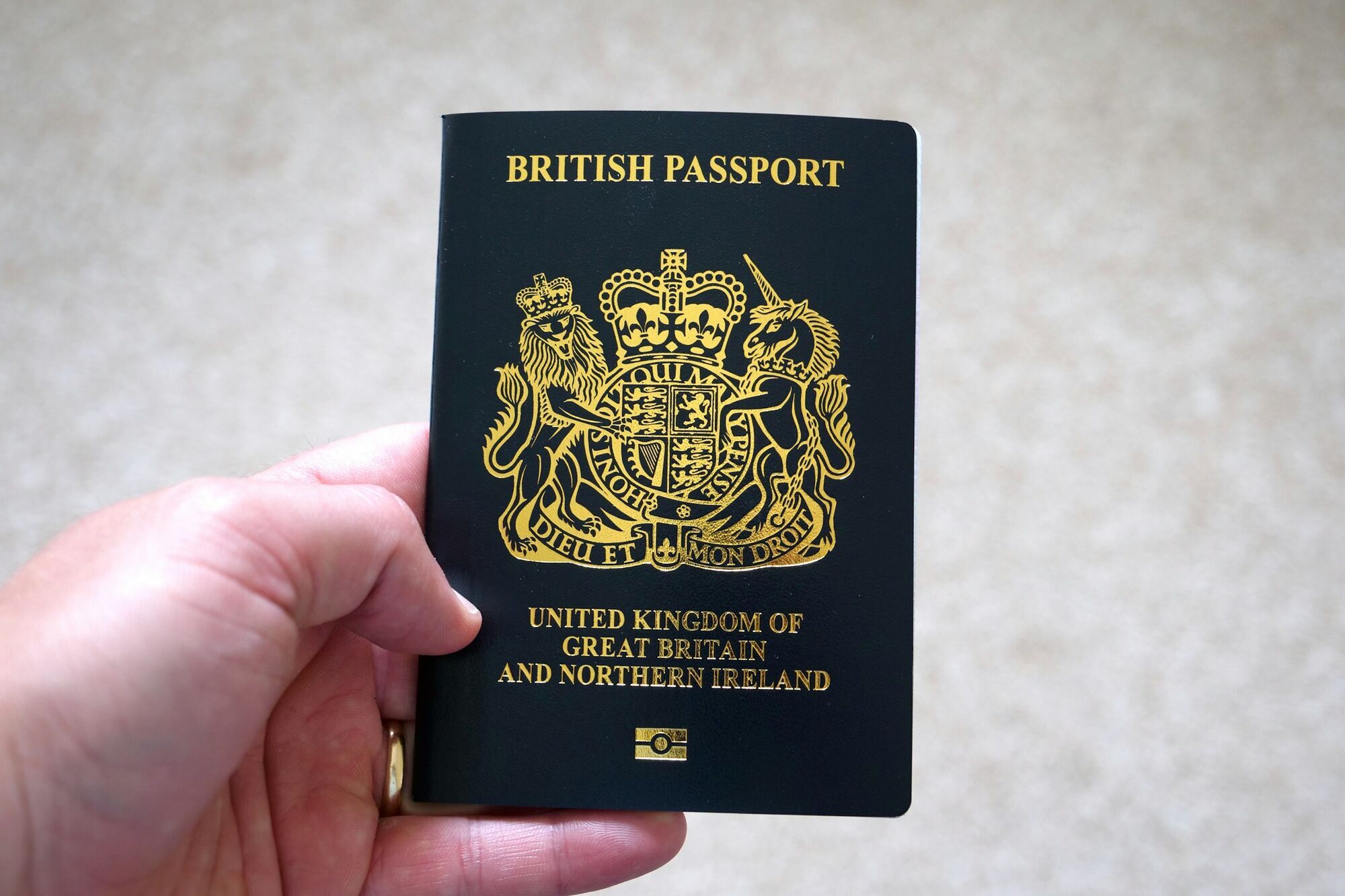
One 80-year-old traveller said machines at Palma Airport repeatedly failed to register her fingerprints, while another passenger reported similar trouble in Salzburg. At Naples Airport, an older couple said they waited around two hours after being unable to complete the automated check and missed their transfer. The reports suggest scanners can struggle when fingerprint ridges are difficult to capture, although no figures show how common the problem is.
The issue matters most at busy holiday airports where an extra border check can quickly turn into a missed coach, transfer or connection. Palma, Naples and Salzburg all handle large numbers of leisure travellers, particularly in summer. Anyone who has previously had difficulty with fingerprint scanners may want to allow more time after landing rather than schedule a tight onward connection immediately after passport control.
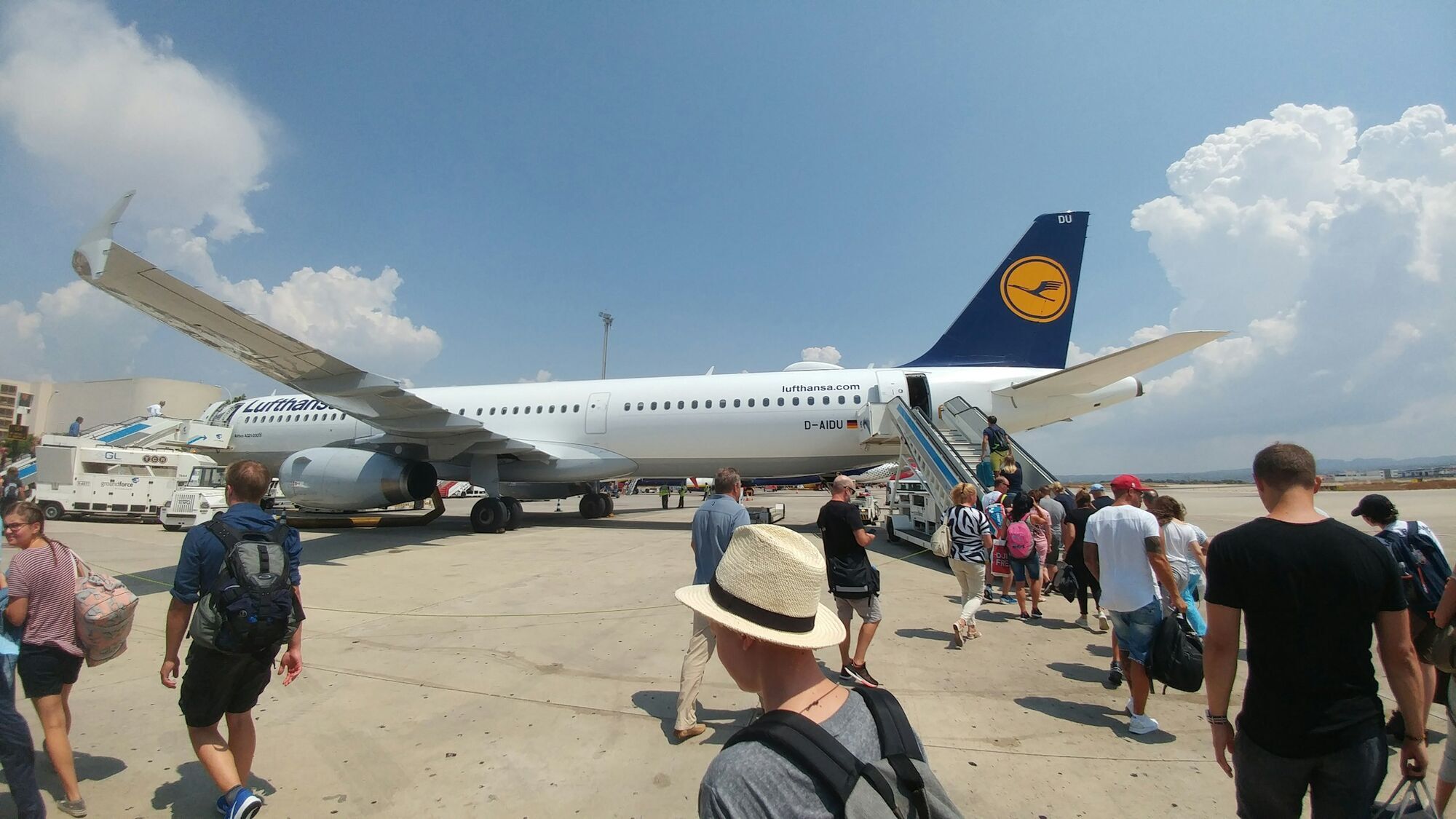
A failed fingerprint scan does not automatically mean a traveller has been refused entry. EES checks are ultimately handled by border authorities, and biometric information can be collected again when necessary. The bigger concern is time: automated gates are supposed to speed up border processing, but travellers who cannot complete the biometric check may instead face an additional queue before continuing their journey.