Mount Etna Hike Turns Fatal After Lightning Strike
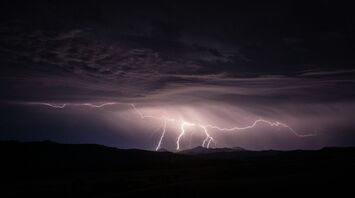
A 29-year-old American tourist has died after being struck by lightning while hiking on Mount Etna in Sicily. The man, who was from Kansas, was in an exposed area above the tree line on Sunday evening when he was hit. Italian firefighters said the section was already closed to visitors because of the volcano’s recent activity. He was rescued by helicopter but later pronounced dead.
What Happened on Mount Etna
- Location: Mount Etna, Sicily
- Date: 16 August 2026
- Victim: 29-year-old tourist from Kansas, US
- Cause of death: Lightning strike
- Rescue: Helicopter operation by emergency services
- Area: Restricted section above the tree line
- Why access was restricted: Ongoing volcanic activity
- Recent eruption phase: Active since early August
- Catania Airport: Flights resumed on 15 August after the volcanic aviation alert was lowered from red to orange
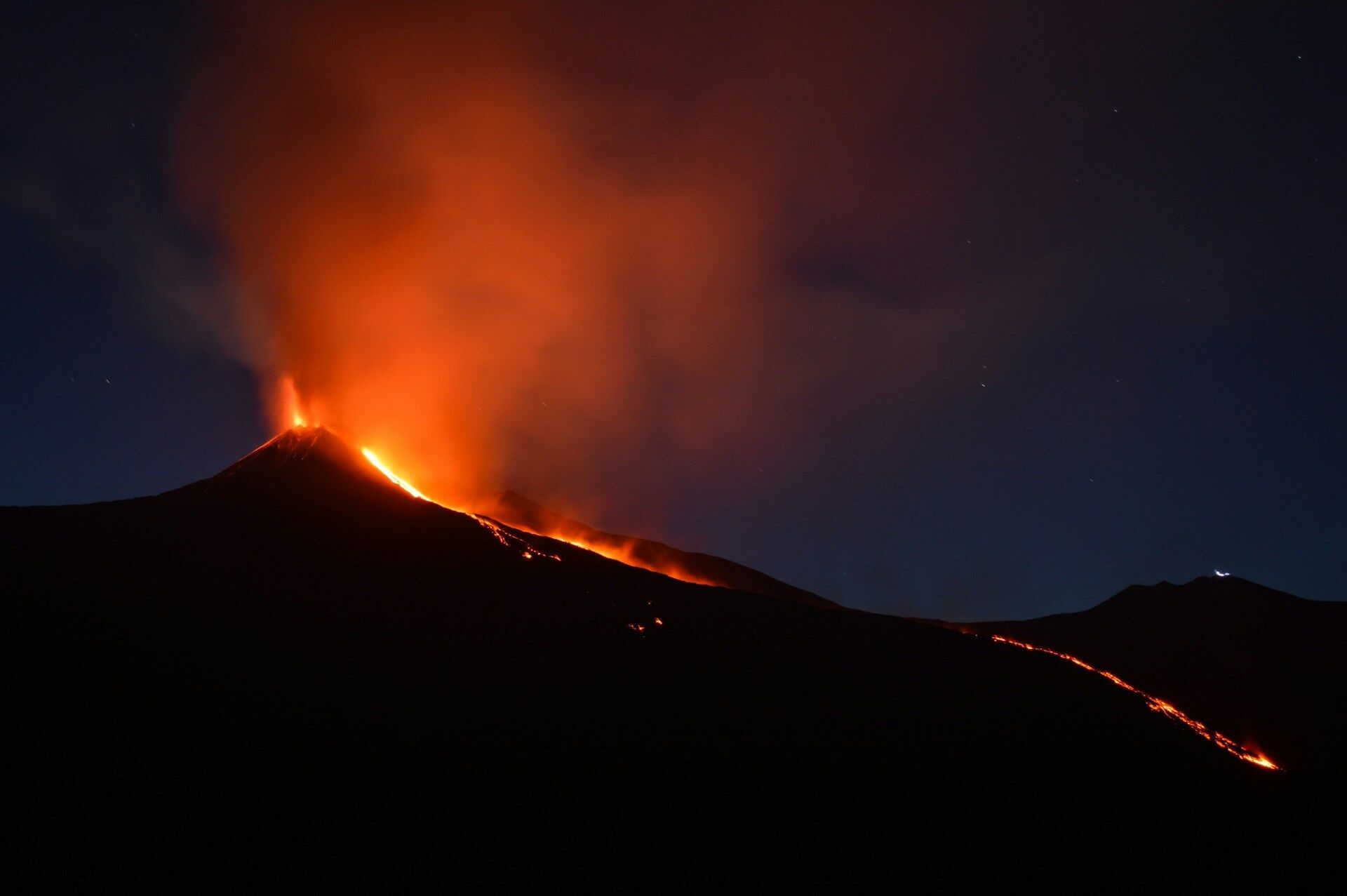
The death came during a period of prolonged activity on Etna, with lava flows and ash emissions reported around the summit area. Authorities had already restricted access to large sections of the volcano. Officials also noted that lightning has caused more deaths on Etna in recent decades than eruptions themselves. The last fatalities directly linked to volcanic activity on Europe’s most active volcano were recorded in 1987.
The restrictions apply to parts of Mount Etna rather than Sicily as a whole. Catania Airport resumed arrivals and departures on 15 August after several days of major disruption, keeping eastern Sicily accessible by air. Visitors can still plan time in Catania and elsewhere on the island, but excursions onto Etna depend on current closures, weather and volcanic conditions, which can change at short notice.
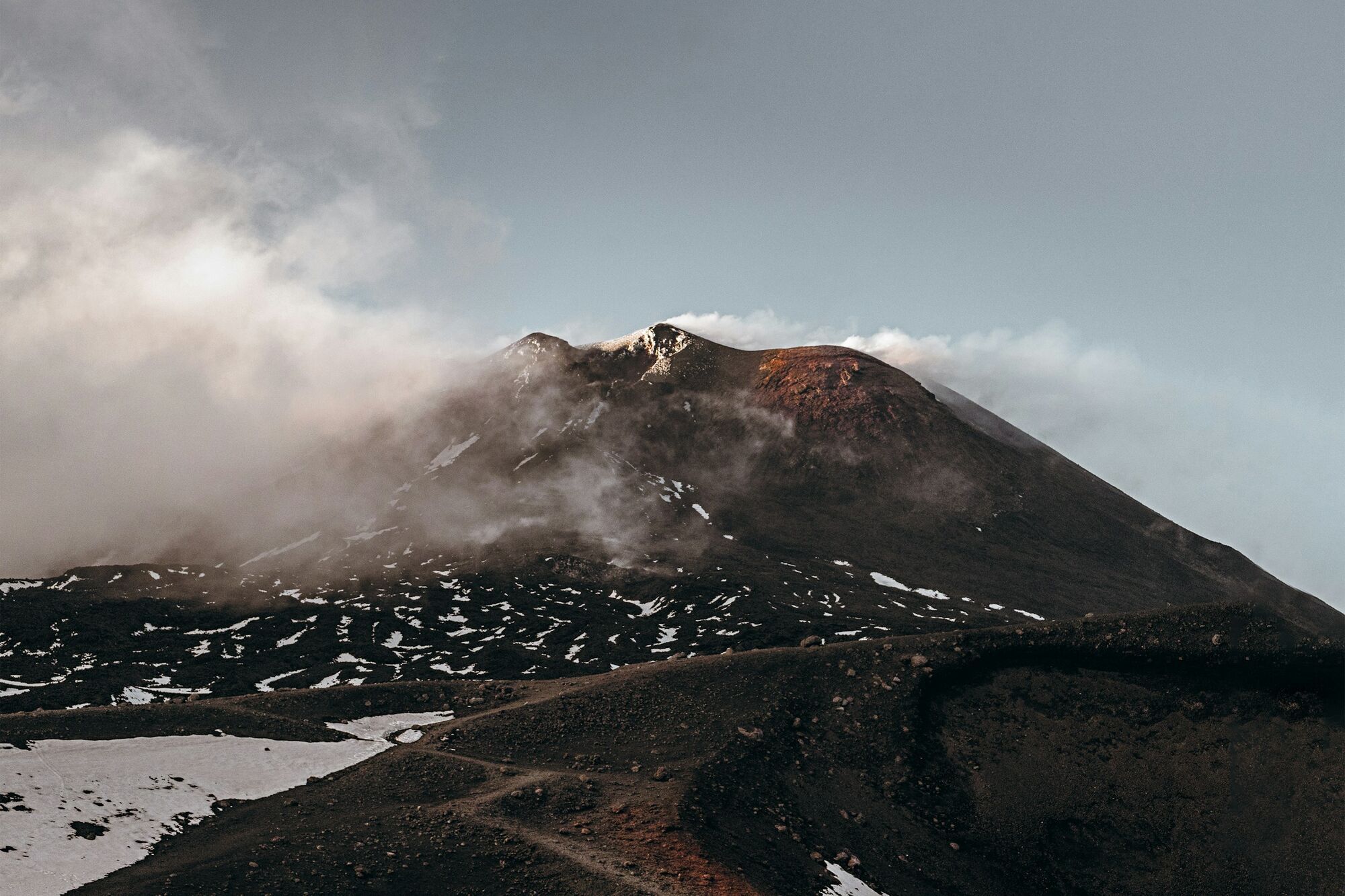
Anyone planning to hike Etna should treat closed trails as firm restrictions, even when conditions appear calm. This fatal incident involved lightning rather than lava, showing that the risks on the mountain are not limited to eruptions. Storms may develop rapidly aloft, with little shelter on exposed upper slopes. Parts of Etna remain closed because of recent eruptions, so visitors should stick to officially open routes.