California’s High-Speed Rail Plans Promise Faster LA–San Francisco Travel
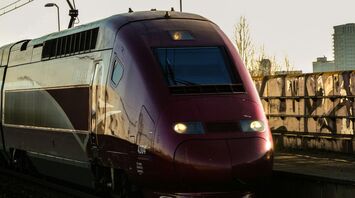
Plans for the United States’ first high-speed rail line linking Los Angeles and San Francisco have moved forward with new station designs and construction updates. The long-awaited project aims to cut travel time between the two cities to around two hours and forty minutes. By comparison, the same journey by car can take close to six hours depending on traffic and road conditions.
The California High-Speed Rail Authority said the system will also link several communities in the Central Valley with major economic centres across the state. Cities including Gilroy, Merced, Fresno, Bakersfield and Palmdale are expected to become part of the future network. The authority hopes the railway will connect smaller cities with employment hubs in both Northern and Southern California.
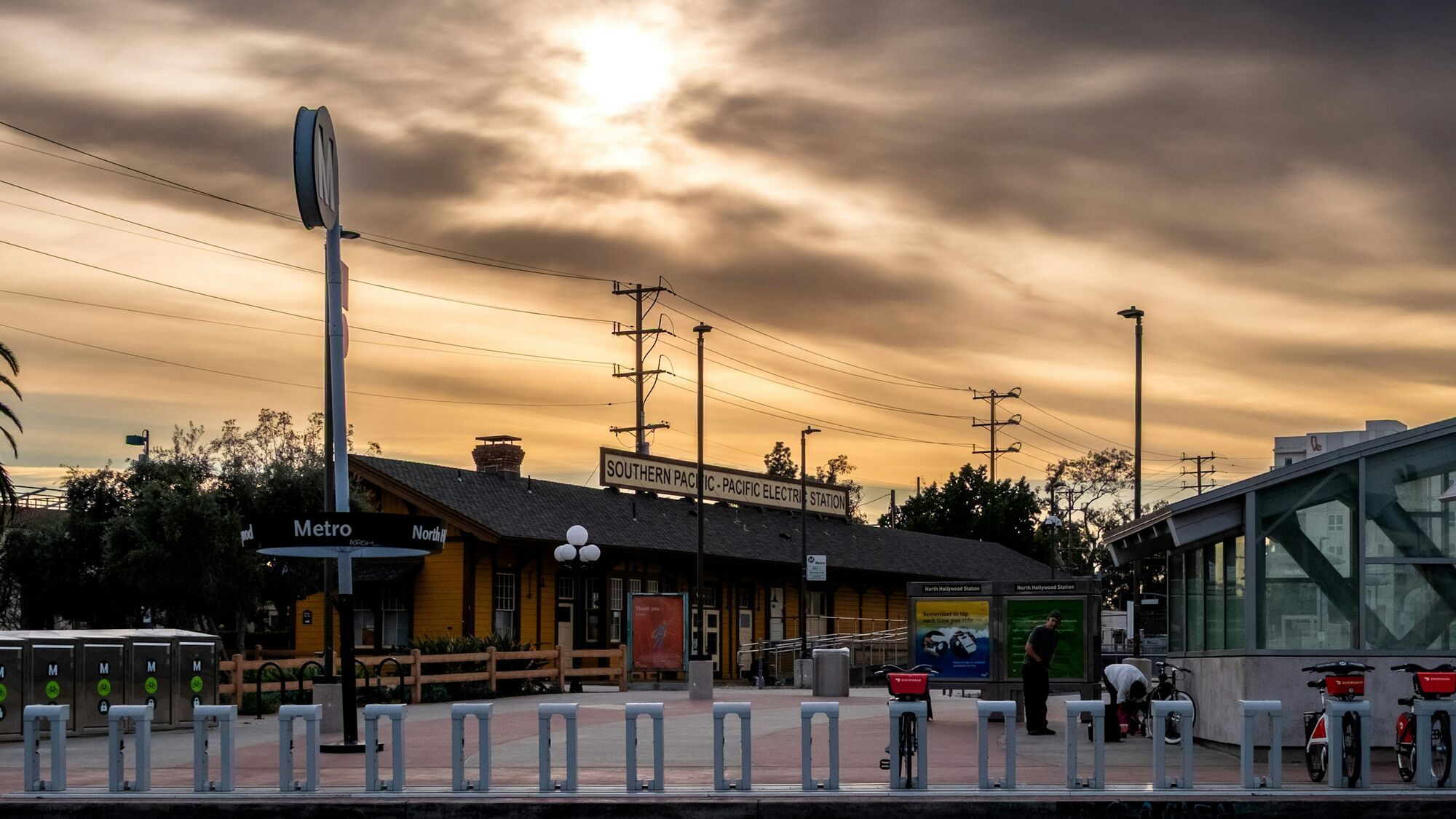
Planned stations in the first operating segment
- Bakersfield
- Fresno
- Merced
- Madera
- Kings/Tulare
Construction in the Central Valley has been the main focus over the past decade, and the project is now moving toward a new phase that includes track installation and railway systems. According to the latest business plan, the first operational section between Merced and Bakersfield could open in 2032 if construction continues on schedule.
Once operating, the railway could offer a new way to travel across California without relying on busy highways or short domestic flights. The route is expected to link regions known for technology, agriculture and tourism, opening easier access to the Bay Area, Los Angeles and the landscapes of the Central Valley for visitors exploring the state.
“The authority has set construction milestones for the 119-mile Central Valley segment and developed a procurement schedule to keep the project on pace for completion of the Merced – Bakersfield early operating segment in 2032."
High-speed rail is still uncommon in the United States, which makes the California project closely watched across the country. The railway has faced political debate, funding questions and repeated delays over the years. Even so, progress in the Central Valley shows the plan is moving forward. If the line opens as planned, journeys between the state’s largest cities could become significantly faster.