Cabin Bags Can Slow Aircraft Evacuations, IATA Warns
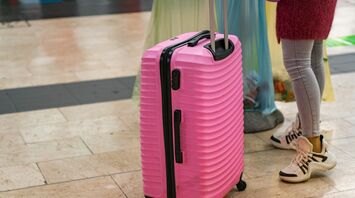
IATA has launched a new passenger safety campaign, "Save a Life, Not a Bag", warning air travellers not to take cabin baggage during an aircraft evacuation. The campaign was announced in Rio de Janeiro and is backed by aviation safety regulators, including EASA and the FAA. It tells passengers to leave belongings behind, avoid filming and move towards the nearest usable exit when the crew orders an evacuation.
The campaign follows rising concern over passengers stopping to collect bags or film during emergency evacuations. IATA says even one person opening an overhead locker can slow movement through the cabin and put others at risk. Bags can block aisles, damage evacuation slides, injure people or leave passengers unable to use their hands when they need to move fast.
IATA’s passenger research found that many travellers still misunderstand evacuation rules. Although 80% of respondents said they knew what to do in an emergency, only 61% correctly said they should leave all personal items behind. The survey also found that only 18% knew aircraft evacuation procedures are designed around a 90-second safety benchmark.
What to do before take-off and landing
The campaign advises passengers to keep small essentials on their person before take-off and landing, especially:
- passport
- money
- medication
It also tells travellers to pay attention to crew, avoid filming, keep moving and exit quickly. This matters most for people travelling with children, mobility needs or important medical items.
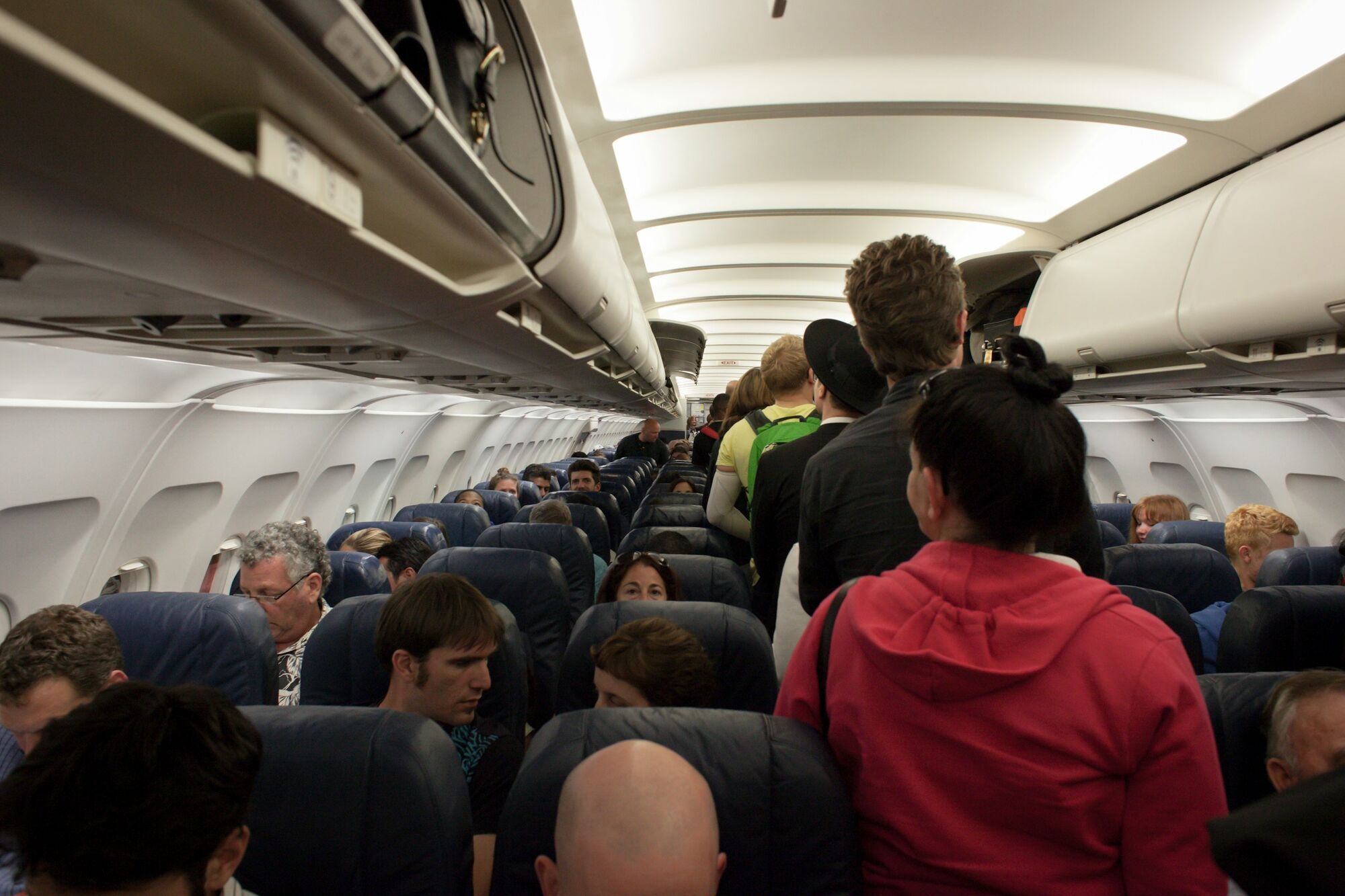
The campaign does not change cabin baggage rules, but it makes the evacuation message clearer for anyone flying. Before departure and landing, passengers are advised to keep passports, money and medication in a pocket or small pouch. That way, there is no need to search overhead lockers if the crew orders people to leave the aircraft quickly.