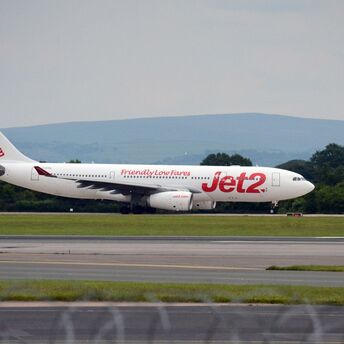
Will Rising Oil Prices Push Airfares Higher?
Oil prices have jumped sharply in recent weeks as tensions in the Middle East affect global energy markets. A barrel that traded near $70 before the conflict has recently fluctuated between roughly $90 and $120. Since jet fuel is the second-largest expense for airlines after labour, such swings naturally raise questions about whether airfares will follow the same direction.
Airlines have not announced a widespread fare increase so far, particularly in the United States. Pricing strategies today are more precise than in the past. Instead of raising ticket prices across the board, airlines often adjust the number of cheaper seats available on each flight. This approach can raise revenue quietly, even when headline fares appear unchanged to travellers browsing booking platforms.
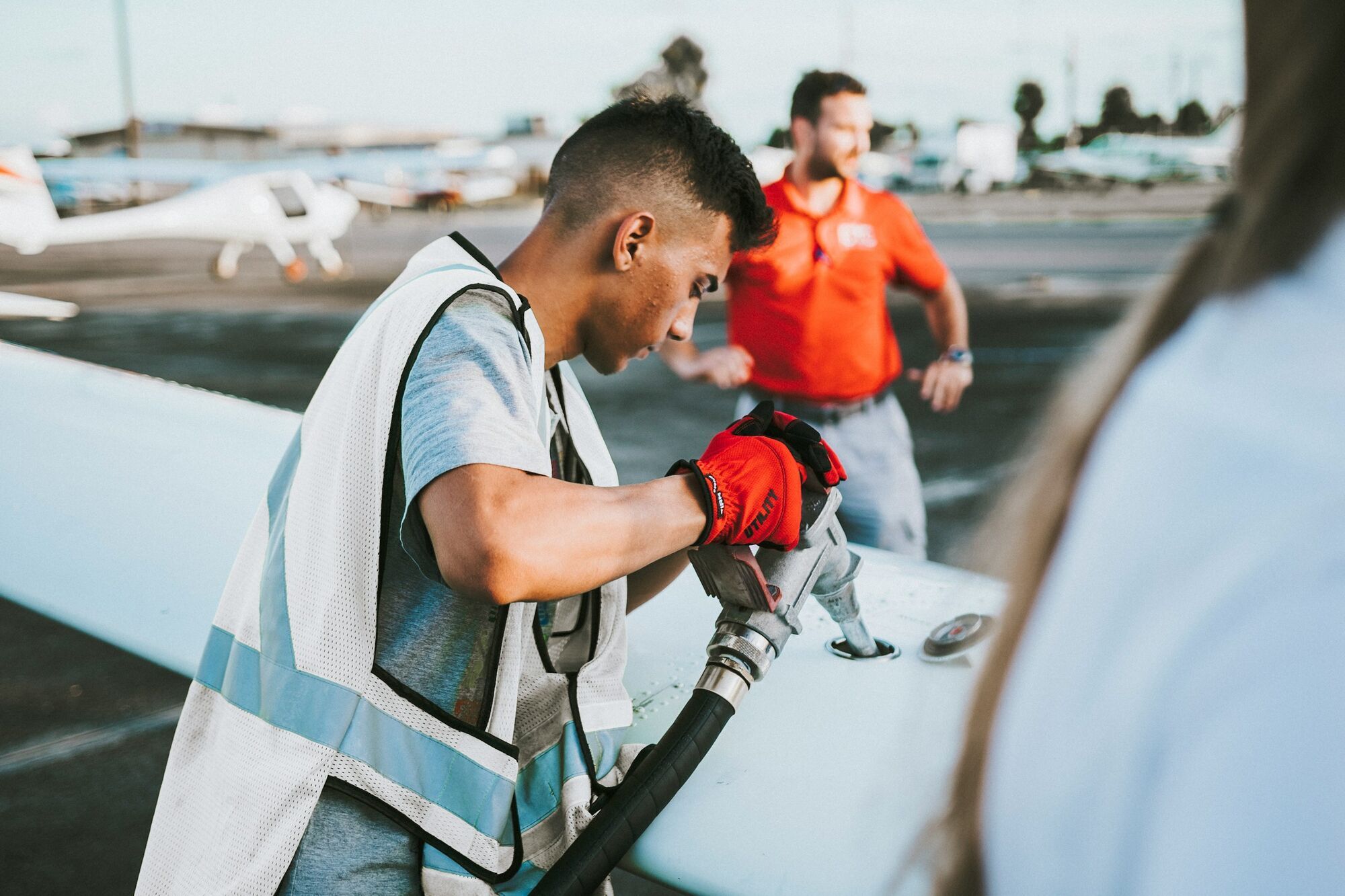
Why airline ticket prices move
Airfare levels depend on several factors rather than fuel costs alone:
- passenger demand for specific routes
- remaining seats before departure
- disruptions affecting major travel hubs
- dynamic pricing for seat selection or premium cabins
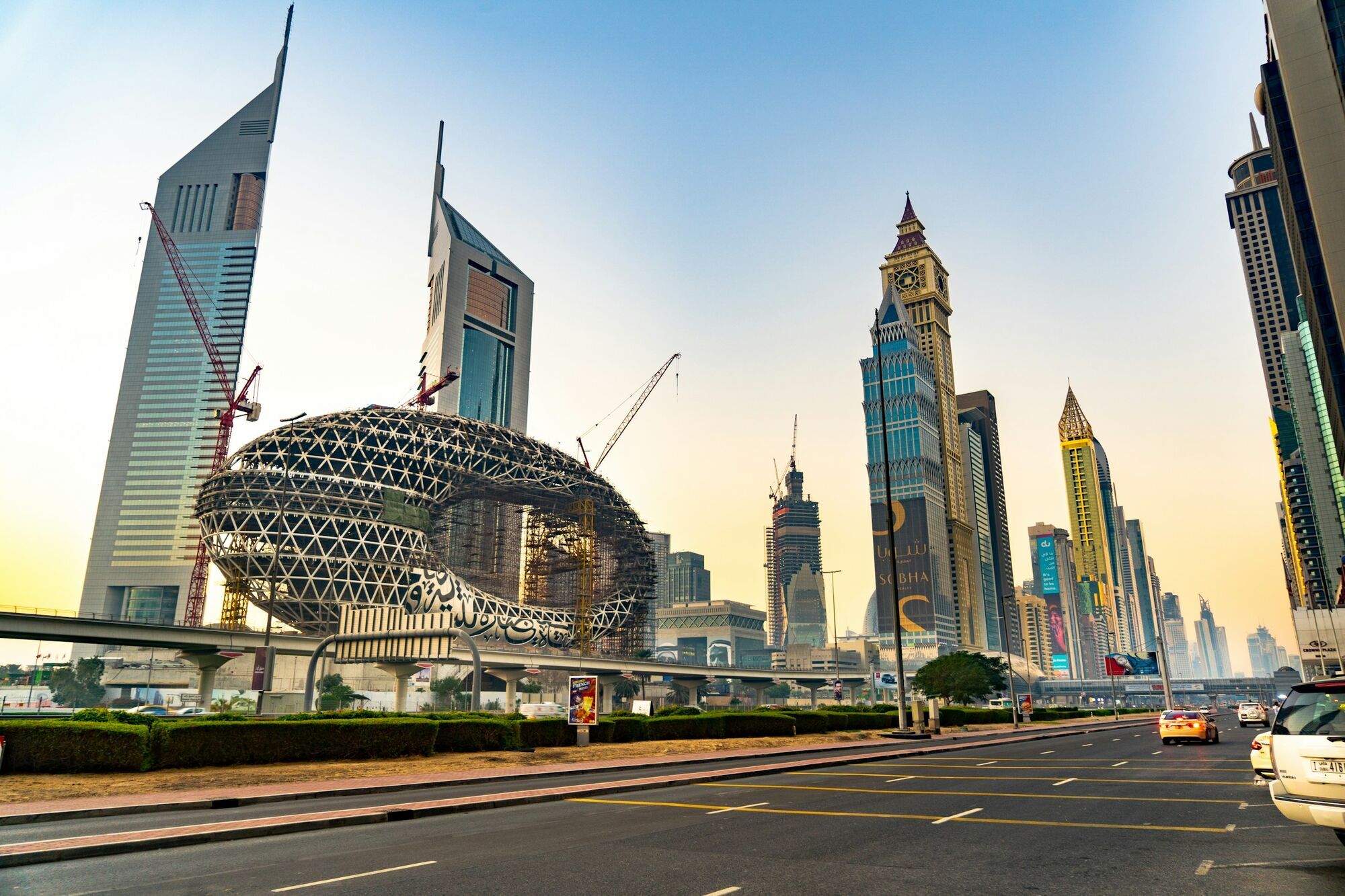
Airlines also sell seats long before they know the final operating cost of a flight. Because an empty seat loses all value once the aircraft departs, pricing decisions focus heavily on demand. Recent disruptions in Middle Eastern airspace illustrate how wider travel patterns can affect prices. With major hubs such as Dubai and Doha currently limited, many passengers are choosing different connection points in Europe and the United States.
That shift in routes changes seat availability far beyond the conflict region. Journeys linking Europe, the United States, Australia and New Zealand traditionally rely on connections in the Gulf. When those hubs become difficult to use, passengers redirect through other airports, placing extra pressure on flights that normally would not see such demand. Reduced seat availability on those routes can push prices upward.
Anyone deciding when to buy a ticket faces uncertainty. Fuel markets may settle or continue fluctuating, and airlines respond differently depending on demand. Some carriers raise ancillary fees or premium cabin prices rather than base fares. Others keep prices lower to encourage bookings. For travellers planning long journeys, the timing of a purchase often depends less on fuel costs and more on how quickly seats on a chosen flight begin to sell.