Two Cabin-Bag Packing Mistakes That Can Trigger Airport Checks
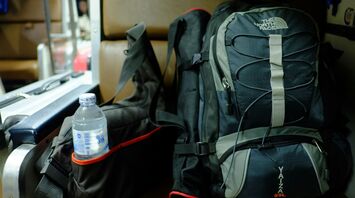
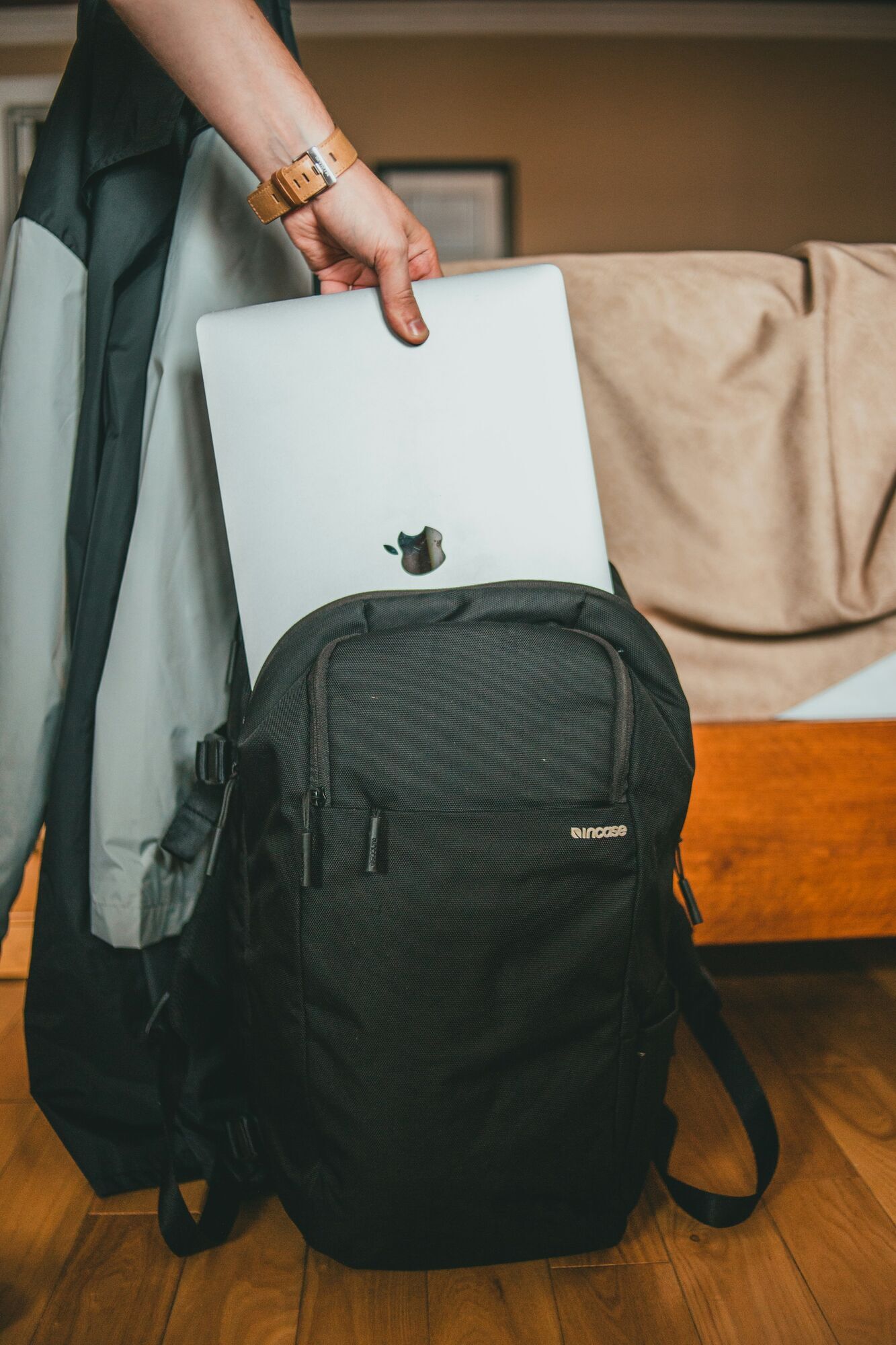
Airport security staff may be more likely to hand-check cabin bags when electronics are stacked or packed beside bottles and other liquids. Smiths Detection, whose CT scanners are used at airports across the UK, says the way devices are arranged can make them harder to distinguish during screening. Even where laptops and liquids can stay inside a bag, packing them carefully may reduce extra checks.
How to Pack Your Cabin Bag
- Electronics: Place laptops, tablets and phones side by side rather than stacking them.
- Liquids: Keep bottles and other liquid containers away from electronic devices.
- CT scanners: Newer systems can allow electronics and liquids to remain inside cabin bags.
- Liquid limits: Rules still vary by airport, so check the departure airport before packing.
- Return flight: Check your destination airport too, as limits may differ.
The advice comes as more UK airports use CT scanners, which create three-dimensional images of cabin baggage. Which? says the technology removes the need to take most electronics and liquids out of bags at many airports, but sensitive scanners can still send bags for manual inspection. Bottles, food and closely packed objects are among items that can make an image harder to assess.
A bag being pulled aside does not automatically mean security staff have found something prohibited. Sometimes the scanner image simply needs a closer look, especially when several devices or dense items are packed together. Travellers carrying more electronics than usual should leave some extra time for security and be prepared for staff to open the bag and inspect individual items if needed.
UK airport rules are still not identical, particularly for liquids. Some airports allow containers up to two litres with newer scanners, while Manchester and Luton still apply the 100ml limit. The safest approach is to check the rules at both your departure and return airports before packing, as the same cabin bag may be accepted one way but require changes on the journey back.