Spain Rail Crash Disrupts Travel and Triggers Price Spikes
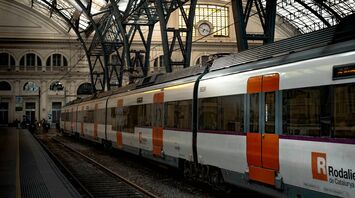
Spain’s high-speed rail corridor between Madrid and Andalusia was brought to a halt on Sunday 18 January after a deadly crash near Adamuz killed at least 42 people and injured more than 150. With services suspended for 24 hours, hundreds of people were stranded without clear guidance on compensation or onward transport. Many faced long waits at Madrid Atocha station before realising that no replacement travel had been arranged.
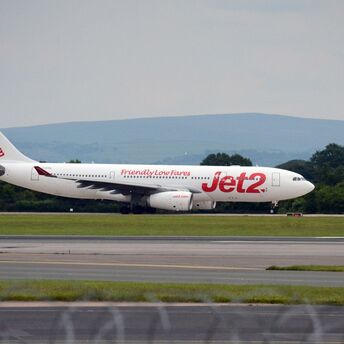
As services remained down, demand shifted to other modes. Travellers described soaring airfares and scarce rental cars on Monday, with Madrid–Seville flights priced at around €300 and Malaga connections described as "unviable". Some passengers tried booking cheaper fares through comparison platforms, only to find them unavailable at checkout. Bus tickets to Andalusia sold out quickly, leaving many with little choice but to hire vehicles at short notice.
The sudden surge in demand also pushed car hire rates higher. One couple reported renting a vehicle for more than €200 after viewing prices around €80 the previous day. Other travellers said they were quoted rates nearing €1,000 at Madrid Barajas airport. Variable pricing makes exact verification difficult, but car hire firms publicly list similar routes this week between €125 and €250. Meanwhile, Iberia announced an extra daily flight on the Madrid–Andalusia shuttle and capped fares at €99 on Tuesday.
Disrupted Rail Opens Gaps in Domestic Travel
Affected travellers highlighted a lack of coordinated alternatives for reaching major Andalusian cities such as Seville, Córdoba, Málaga, Cádiz and Granada. These gateways connect to UNESCO-listed sites, winter festivals, coastal destinations and cultural itineraries ranging from the Alcázar and Mezquita-Cathedral to the Costa del Sol and Sierra Nevada ski stations. Interrupted rail links forced many to rearrange hotel bookings, tours and business commitments.
"If this transport is not provided within a maximum of 100 minutes from the scheduled departure time and the passenger has to hire it on their own, they have the right to be reimbursed by the company for the cost of the coach journey."
The legal situation remains complex. Consumer association FACUA says Spain’s updated pricing rules only apply when a civil protection emergency is formally declared, which did not happen in this case. That leaves passengers with the right to refunds or cheaper equivalent transport but not reimbursement for flights. The incident underlines how fragile domestic mobility can become when a major rail artery fails, especially on routes linking two of Spain’s most populated regions. Travellers now await clarity on claims, timetables and whether future reforms will close these gaps without relying on last-minute fixes.