Souvenir Passport Stamps Can Backfire
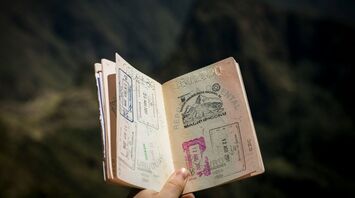
The U.S. State Department is warning travellers not to add unofficial stamps or markings to their passports, even when they are offered as souvenirs. Novelty stamps from tourist sites may look harmless, but they are not placed by immigration or consular officers. Officials say they can cause problems during travel, especially when border staff question unusual marks inside a passport.
Blank passport pages should be kept for official stamps, visas and notes from authorised officers. Travellers should not add souvenir marks, personal notes or tourist-site stamps to a valid passport. Such markings do not automatically cancel the document, but they can make it look altered and may lead to delays, extra checks or replacement requests.
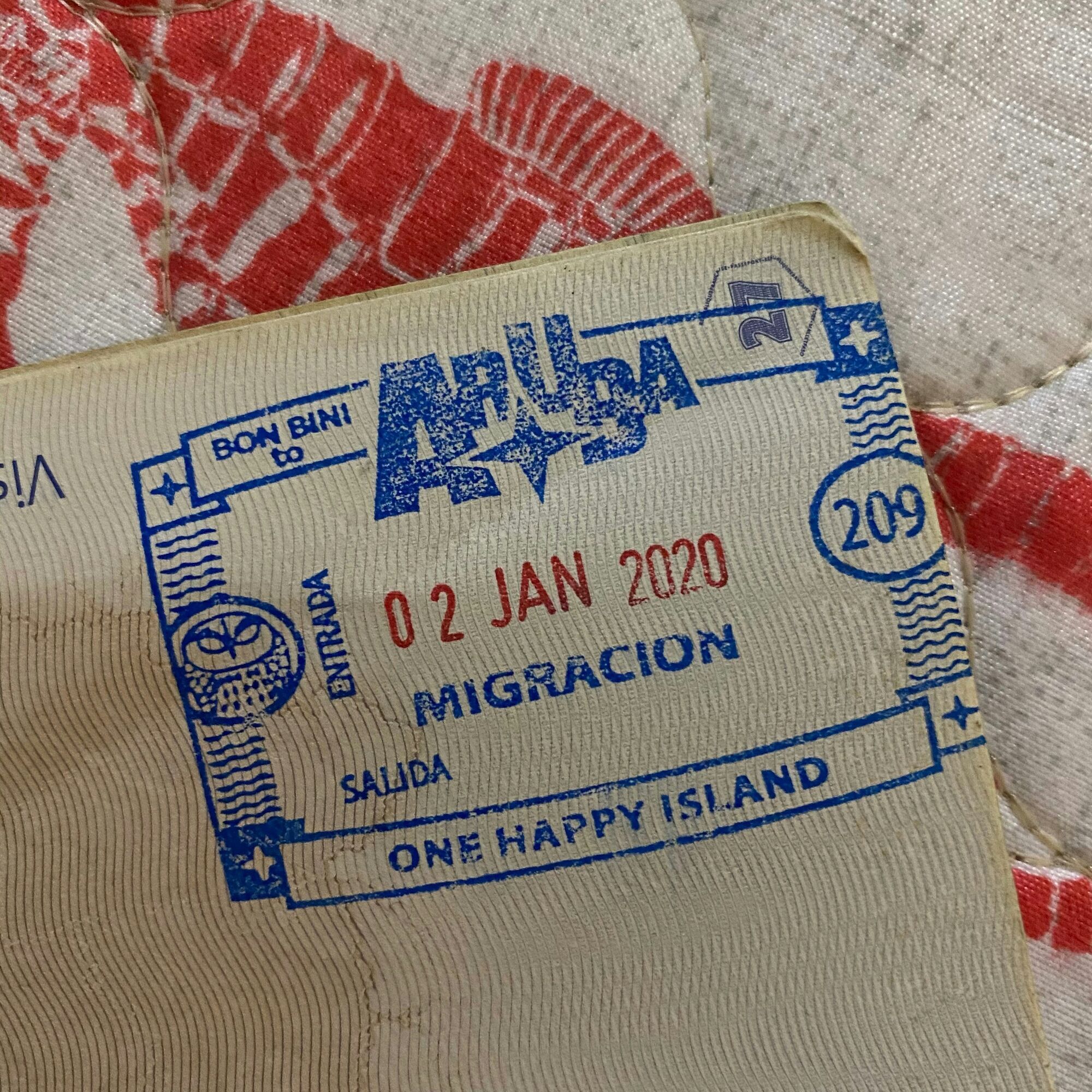
Souvenir passport stamps are still found in popular tourist places. Travelers may come across them at Machu Picchu in Peru, Monaco’s tourism office, One Foot Island in the Cook Islands and some small airports in French Polynesia, where non-border stamps can be mistaken for keepsakes. Cruise ports can be different: in Belize City, an official border officer may provide a proper entry stamp on request.
The warning is useful for trips to places where souvenir stamps are popular, including historic sites, small islands, cruise ports and tourist offices. Travellers can still collect those memories, but should use a notebook, postcard, travel journal or old expired passport instead. That keeps a valid passport clean while still leaving room for border stamps, visas and other official travel documents.
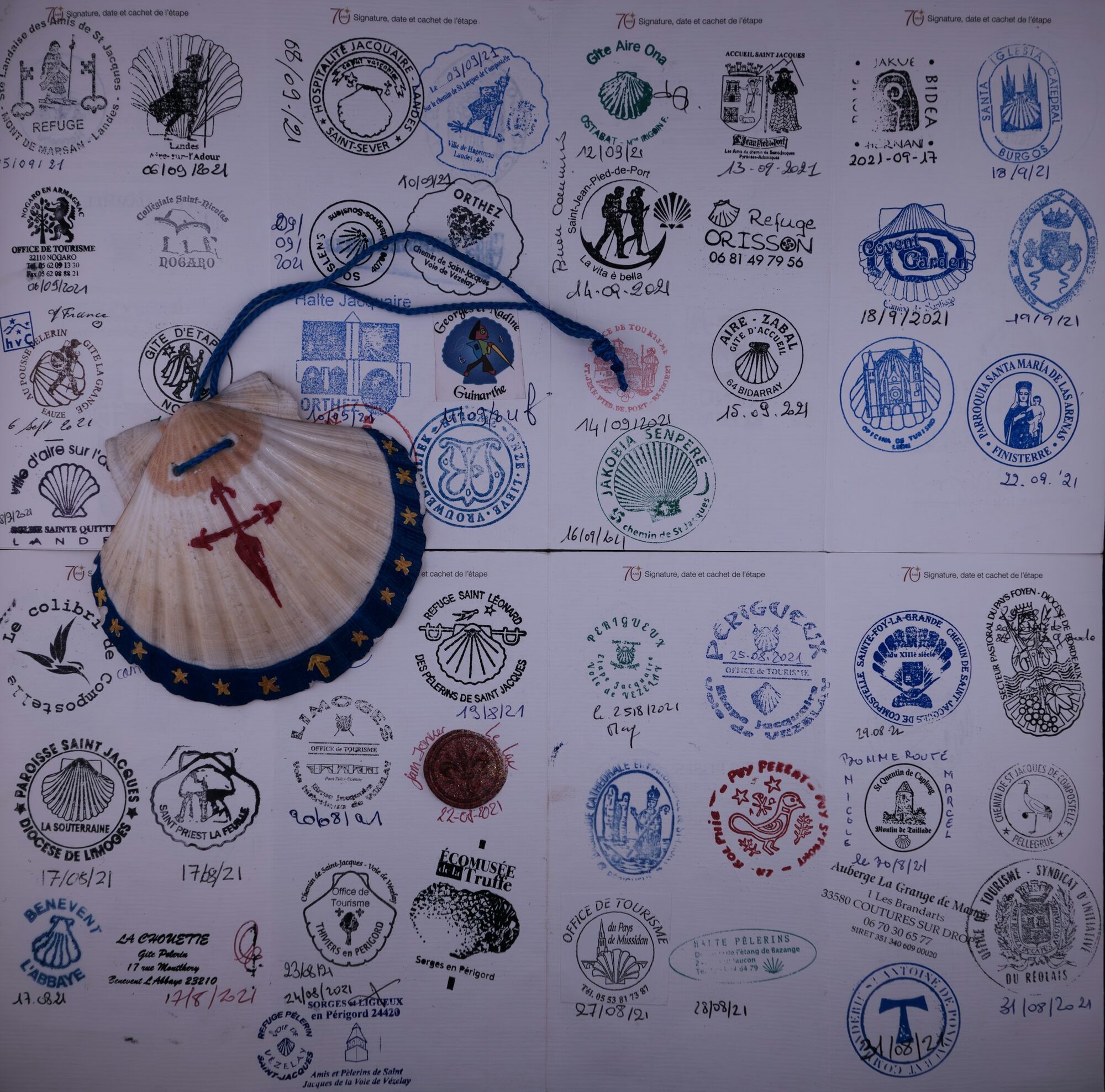
A valid passport is not the best place for travel keepsakes. A souvenir mark from Peru, Monaco or the Cook Islands may pass unnoticed on one trip and cause questions on another. Anyone who likes collecting stamps should use a travel journal, postcard or expired passport instead. That avoids awkward border checks without giving up the small ritual of collecting places.